In recent years, the usage of e-cigarettes has soared, sparking discussions about their legality indoors. The e cigarette legal indoors debate involves public health concerns, government regulations, and consumer preferences. When analyzing this topic, it’s crucial to consider the multifaceted implications of allowing or prohibiting indoor vaping.
Understanding Indoor Vaping Legislation
 Across the globe, regulations on e-cigarettes indoors vary dramatically. In some regions, vaping is equated with traditional smoking, leading to similar restrictions. Other areas might be more lenient, recognizing e-cigarettes as a smoking cessation tool. It’s essential to stay informed about local legislation. Countries like the UK have relatively relaxed vaping laws indoors, while states such as California have stricter regulations.
The reasoning for e cigarette legal indoors laws often stems from public health experts’ concerns about secondhand vapor—although less harmful than smoke, it’s not entirely without risk.
Health Implications and Public Perception
Consumers and health officials need to assess the impact of secondhand vapor. Studies suggest vapor contains fewer toxins than tobacco smoke; however, continuous exposure might still pose subtle health risks. Public places sometimes ban indoor vaping to protect vulnerable populations such as children and pregnant women.
Navigating Social Considerations
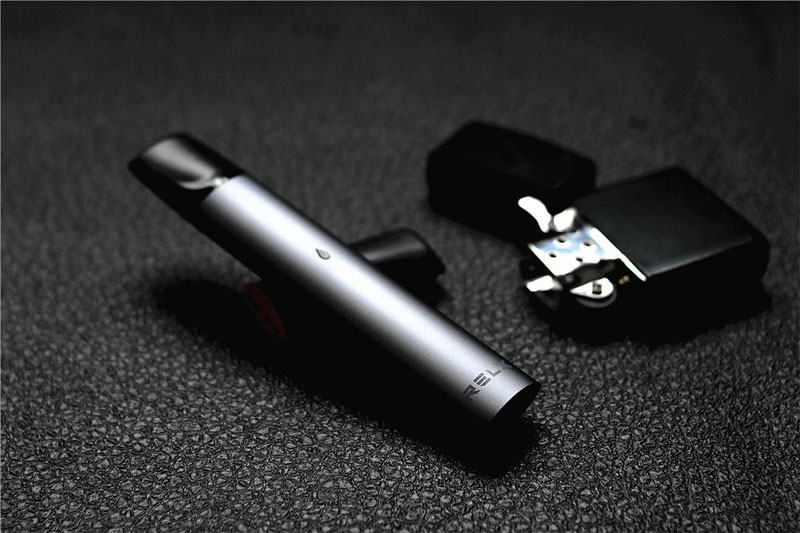 Aside from health, social etiquette plays a role in e cigarette legal indoors policies. Vaping can be considered intrusive or disturbing to non-users, especially in confined spaces. Balancing smoker rights with non-smoker comfort remains a critical challenge.
Business and Economic Factors
Permitting e-cigarettes indoors could impact businesses, such as restaurants and bars. On one hand, allowing vaping might attract more patrons; on the other, it could deter those uncomfortable with vapor exposure. Economic considerations often influence local businesses’ stance and policies on indoor vaping.
Pushing Towards Comprehensive Laws
Many advocates strive for comprehensive laws that distinguish vaping from smoking while acknowledging public health concerns. Clear guidelines can mitigate confusion and ensure a balanced approach to indoor vaping.
Despite varying legality, consumers often find themselves navigating unclear boundaries. It’s advised to check premises’ policies before vaping indoors.

FAQ:
Q: Why are some places more stringent about indoor vaping?
A: Regions might be stricter due to public health concerns and to protect vulnerable populations.
Q: Can indoor vaping help business?
A: It may attract patrons who vape but could repel non-vapers sensitive to vapor exposure.
Understanding the complexities surrounding indoor e-cigarette legality helps inform consumers, businesses, and policymakers as they adapt to changing landscapes.