A practical safety and planning guide for expectant parents concerned about vaping
This comprehensive resource helps parents-to-be make informed choices about inhaled nicotine devices and maternal health, with a focus on modern vaping options often labeled E-papierosy and the specific context of e cigarette pregnancy. The following sections are written to be clear, evidence-aware, and SEO-focused so that readers searching for guidance on E-papierosy or e cigarette pregnancy can quickly find reliable, structured information. Each heading and paragraph is designed to highlight core concepts, practical tips, and safer alternatives, and the keywords E-papierosy and e cigarette pregnancy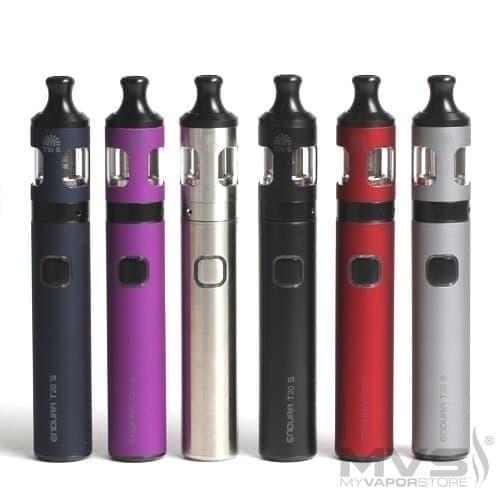 are intentionally emphasized to support discoverability and relevance.
Why this topic matters to expectant families
Expectant parents frequently ask whether inhaled nicotine devices are safe during pregnancy. Concerns about lung health, fetal development, and postpartum outcomes make questions about E-papierosy and e cigarette pregnancy extremely important. Health providers, perinatal educators, and public health pages must communicate nuanced risk information while offering compassionate support for people trying to stop smoking or vaping. This guide synthesizes current evidence and practical strategies, balancing harm reduction thinking with precautionary principles.
Key facts in brief
- Nicotine is not benign: Nicotine exposure during gestation can affect fetal brain and lung development. Discussions of e cigarette pregnancy always need to acknowledge the pharmacological effects of nicotine.
- Aerosol constituents matter: Even without tobacco combustion, E-papierosy liquids and aerosols can contain other chemicals, flavorings, and tiny particles that may reach the placenta or maternal circulation.
- Complete cessation is the safest option: The best outcome for pregnancy is no exposure to combustible tobacco, vaping aerosols, or secondhand smoke.
- Support and alternatives exist: Behavioral counseling, approved nicotine replacement therapies, and structured cessation programs can be safer than continuing vaping in many circumstances.
How researchers study e-cigarette pregnancy safety
Scientific understanding of E-papierosy and e cigarette pregnancy risks emerges from several research streams: animal models, epidemiology, in vitro work, and clinical observational studies. Each method has limits — animal studies help identify biological mechanisms but may not translate perfectly to humans; observational human studies can show associations but not prove causation. When communicating with expectant parents, it helps to explain these limitations clearly while highlighting consistent signals: nicotine exposure and some aerosol components have been linked to adverse outcomes such as low birth weight, placental changes, and respiratory effects in offspring.
Common concerns explained
- Birth weight and growth: Some studies of nicotine exposure suggest reduced fetal growth. This is relevant whether nicotine comes from traditional cigarettes or from E-papierosy devices—thus links to e cigarette pregnancy outcomes are closely scrutinized.
- Neurodevelopment: Prenatal nicotine exposure can alter neurotransmitter systems and may be associated with attention, learning, and behavioral differences later in childhood.
- Respiratory health: In utero exposure to aerosol particles and nicotine could contribute to differences in newborn lung function and later respiratory sensitivity.
Harm reduction vs. total abstinence: how clinicians weigh options
Providers often face a complex decision when a pregnant patient currently vapes. Although vaping is generally considered less harmful than combustible smoking for certain adult outcomes, pregnancy adds a stricter precautionary lens. Many professional organizations advise that pregnant people should aim for complete abstinence from smoking and vaping when possible. However, if a pregnant person cannot quit nicotine via counseling alone, clinicians may consider approved nicotine replacement therapy (NRT) as part of a structured cessation plan, rather than endorsing continued use of unregulated E-papierosy products. Conversations should be individualized, nonjudgmental, and focused on evidence-based cessation strategies.
Practical steps for expectant parents
Below are actionable, evidence-grounded steps that parents-to-be can consider regarding e cigarette pregnancy concerns:
- Reach out early: Tell your obstetrician, midwife, or primary care provider about vaping so they can connect you with appropriate cessation support.
- Create a quit plan: Use behavioral counseling, mobile apps endorsed by healthcare systems, and partner/family support to set a quit date and reduce relapse risk.
- Consider approved replacements: Under clinician guidance, nicotine patches, gum, or lozenges may be preferred over continuing E-papierosy because their dosing and purity are regulated.
- Avoid mixing substances: Some e-liquids contain cannabis or other active compounds; these introduce additional unknowns for fetal development and should be avoided in pregnancy.
- Reduce triggers: Identify situations that prompt vaping (stress, social cues, routines) and substitute healthier coping strategies—walking, prenatal yoga, breathing techniques, or short counseling calls.
- Secondhand exposure: Minimize household aerosol exposure—ask partners and household members not to vape near the pregnant person.

Tips for partners, family, and household members
Support networks play a pivotal role. If a partner uses E-papierosy or smokes, their quitting is one of the most effective protective steps for the pregnancy. Encourage or facilitate cessation resources for partners, ask them to avoid vaping at home, and model alternative stress-reduction strategies. Partners should understand that reducing secondhand aerosol exposure also contributes to healthier outcomes and helps reduce urges for the pregnant individual.
Alternatives to vaping when pregnant
When pregnant people need help stopping nicotine use, recommended alternatives include:
- Behavioral counseling: One-on-one or group counseling has strong evidence and can be tailored to pregnancy-specific challenges.
- Nicotine replacement therapy (NRT): Under supervision, NRT can provide stable, lower-risk nicotine dosing compared to variable concentrations found in some E-papierosy liquids.
- Prescription medications: Certain medications for smoking cessation are not recommended in pregnancy; clinicians must weigh benefits and risks and typically prioritize non-pharmacologic approaches or regulated NRT.
- Digital and community programs:
 Pregnancy-focused quitlines, apps with tracking and support, and community health programs can offer continuous support.
When to contact your healthcare team
Immediate contact with healthcare providers is advised if the pregnant person experiences anxiety about past exposures, acute respiratory symptoms after vaping, or intends to stop nicotine and wants a supervised plan. Discussing breastfeeding plans is also important: nicotine can pass into breastmilk, so cessation strategies should extend into the postpartum period. Providers can help tailor a plan that addresses both prenatal and postnatal exposure concerns related to e cigarette pregnancy and household vaping.
Assessing product safety: questions to ask
Because E-papierosy products vary widely in manufacturing standards and content, expectant parents should be cautious. Useful questions include: Who manufactured this product? Does it contain nicotine, flavors, or other additives? Has it been tested by independent labs? If the product lacks transparent labeling, it raises red flags for pregnancy-related exposure. Avoid DIY or unregulated modifications of vaping devices because these increase unpredictability of aerosol composition.
Myth-busting and common misconceptions
- Myth: Vaping is completely safe during pregnancy. Fact: While some risks are lower than for heavy smoking, vaping is not harmless for fetal development and should be minimized or stopped when possible.
- Myth: Low-nicotine e-liquids are harmless. Fact: Even low nicotine levels can contribute to fetal exposure, and other aerosol constituents can carry risk.
- Myth: Switching to vaping late in pregnancy eliminates risk. Fact: Any prenatal exposure to nicotine and aerosols can be relevant; the earlier cessation happens, the better for development.
How to talk to pregnant friends or family who vape
Approach conversations with empathy, focusing on supportive questions rather than judgmental statements. Use language such as, “I care about your health and the baby’s health, can we talk about options to reduce vaping?” Offer to help find resources, join quit attempts, or remove triggers at home. Partners who quit alongside the pregnant person significantly improve the chances of successful cessation.
Resources and evidence-based supports
Trustworthy resources include national quitlines, perinatal smoking cessation programs, and official public health websites that specifically address pregnancy and nicotine. When searching online for E-papierosy or e cigarette pregnancy information, prioritize content from recognized healthcare organizations, peer-reviewed reviews, and multidisciplinary consensus statements.
Examples of supportive resources
- Local public health departments and maternal health clinics that offer pregnancy-specific cessation programs.
- Certified quitlines and counseling services that provide free or low-cost behavioral interventions.
- Healthcare provider referrals to regulated nicotine replacement therapy when appropriate.
Planning for birth and postpartum care
Include nicotine cessation discussions in birth planning. Talk about rooming-in policies, breastfeeding intentions, and postpartum support to prevent relapse. Breastfeeding has numerous benefits, yet persistent nicotine exposure through vaping may reduce some of those advantages and can complicate infant feeding choices. Providers can help create a postpartum relapse-prevention plan that includes counseling, social supports, and continued avoidance of household vaping.
Pregnancy case examples and practical scenarios
Case 1: A first-time parent used E-papierosy prior to pregnancy and is now 10 weeks pregnant. They want to stop but feel high anxiety when quitting. Recommended approach: start with behavioral counseling, consider clinician-guided NRT, set realistic goals, and enlist partner support. Case 2: A pregnant person switched from smoking to vaping but still experiences nicotine cravings. Recommended approach: evaluate whether regulated NRT could offer more controlled dosing, continue counseling, and reduce exposure to flavored aerosols and unverified products.
Monitoring and follow-up during pregnancy
Regular prenatal visits are opportunities to reassess tobacco and vaping exposure. Providers may use brief validated screening tools to track progress and adjust cessation strategies. If a patient relapses, clinicians should respond without stigma and reengage supportive measures—relapse is common and part of the change process. Documentation of exposure and counseling in prenatal records helps integrate care across providers.
Policy context and public health considerations
Regulatory approaches to E-papierosy vary by country. Some policies restrict flavors, marketing, or product types to reduce youth uptake; others focus on adult cessation pathways. From a public health perspective, pregnancy demands extra caution: regulations that improve product transparency and restrict marketing to pregnant and young populations can help reduce inadvertent exposures. Advocates often emphasize the need for clear pregnancy-specific messaging in public health campaigns addressing e cigarette pregnancy risks.
Language and messaging tips for clinicians and educators
Use plain language and avoid alarmist tones that could drive people away from seeking help. Phrases such as “the safest choice is to avoid nicotine and vaping during pregnancy” paired with “let’s find a plan that works for you” balance factual guidance with compassionate support. Make explicit the benefits of quitting for both parent and child, and outline step-by-step next steps including referrals and follow-up dates.
Checklist for an expectant parent considering stopping vaping
- Inform your prenatal care team about vaping habits.
- Agree on a quit plan that includes counseling and consideration of regulated NRT if needed.
- Remove vaping devices, e-liquids, and triggers from home where feasible.
- Ask your partner and household members to avoid vaping indoors to reduce secondhand exposure.
- Schedule follow-ups to monitor progress and address withdrawal or stress.
Final perspective: supportive, evidence-guided decisions
Deciding how to manage nicotine exposure during pregnancy involves weighing the best available evidence, personal circumstances, and the supportive resources at hand. While complete abstinence is the safest course, many clinicians and parents must navigate real-world constraints. The aim of this guide is to empower expectant parents with practical knowledge about E-papierosy and the implications of e cigarette pregnancy, to encourage early conversations with healthcare providers, and to promote compassionate cessation strategies that prioritize maternal and fetal well-being.
Further reading and references
Look for systematic reviews on prenatal nicotine exposure, guidelines from obstetric professional societies, and cessation program materials tailored for pregnancy. Reliable sources will clearly cite evidence and provide pregnancy-specific recommendations rather than generalized adult guidance.
Call to action:
If you or someone you know is pregnant and using E-papierosy, please contact your prenatal provider to discuss tailored cessation options. Seeking support early improves outcomes for both parent and child and helps navigate the complexities associated with e cigarette pregnancy.

FAQ
Q: Are e-cigarettes safer than smoking during pregnancy?
A: While some adult-focused evidence suggests lower exposure to certain combustion-related toxins, no inhaled nicotine product is risk-free in pregnancy. Health professionals typically recommend complete cessation and favor regulated nicotine replacement therapies if needed.
Q: Can I use nicotine patches while pregnant?
A: Nicotine patches are sometimes considered by clinicians when behavioral counseling alone is insufficient. They deliver steady nicotine levels and are regulated, but any pharmacologic option should be discussed with a healthcare provider during pregnancy.
Q: What if I quit vaping but relapse after delivery?
A: Postpartum relapse is common. Plan ahead with your care team to continue support after birth, including counseling and partner interventions to reduce household exposure.