Understanding the debate around e-dym and health: an overview
In recent years, interest has surged in alternatives to combustible tobacco, and brands such as e-dym have entered public awareness as part of a larger market for vaping devices. Consumers and health professionals ask a critical question: can electronic cigarettes give you cancer? This exploration does not promise definitive answers, because long-term human data are still limited, but it synthesizes current research, toxicology data, epidemiological signals, and practical risk-management advice. Throughout this review we focus on how modern studies evaluate carcinogenic potential, what known chemicals are present in aerosols, and how product differences — like device power, e-liquid composition, and user behavior — influence risk. We also emphasize balanced language: while many experts consider e-cigarettes to be less harmful than traditional smoking, “less harmful” is not the same as “safe.”
What we mean by cancer risk and how it’s measured
When experts ask whether an inhaled product can lead to cancer, they are evaluating a chain of evidence. That chain includes: identification of carcinogens in emissions, biological plausibility (does the exposure cause DNA damage, mutations, or chronic inflammation), dose and duration of exposure, results of animal and cellular experiments, and population-level epidemiology. For any claim such as “can electronic cigarettes give you cancer?” we need to look across those lines of evidence. Some investigators examine biomarkers of exposure (e.g., tobacco-specific nitrosamines), others measure oxidative stress markers or DNA adducts, and still others analyze long-term disease rates in cohorts. At present, robust long-term cohort data spanning 20–30 years for modern vaping devices do not exist because the products are relatively new.
Known chemical constituents relevant to carcinogenesis
Electronic cigarette aerosols are complex mixtures. They typically include propylene glycol and vegetable glycerin as solvents, nicotine in many products, flavoring chemicals, thermal degradation products, and trace metals. Specific substances associated with carcinogenicity identified in some studies include:
- Carbonyl compounds: Formaldehyde, acetaldehyde, and acrolein can be produced when e-liquids are heated, especially at high coil temperatures or when devices are modified. Formaldehyde and acetaldehyde are classified by IARC with links to cancer risk in some contexts.
- Nitrosamines:
 Small amounts of tobacco-specific nitrosamines (TSNAs) may be present in nicotine-containing e-liquids; TSNAs are recognized carcinogens in smoked tobacco.
 - Metals: Lead, nickel, chromium, and cadmium have been detected in aerosol samples in variable amounts, depending on device construction and coil materials. Some metals have carcinogenic potential.
- Volatile organic compounds (VOCs): Benzene and other VOCs can appear in trace amounts under certain conditions.
Presence of these chemicals does not guarantee cancer will occur; risk depends on concentration, frequency of exposure, and individual susceptibility. Still, their detection provides biological plausibility that vaping could contribute to cancer risk over time.
What laboratory and clinical studies show
Laboratory (in vitro) studies sometimes show that e-cigarette aerosol extracts can cause DNA damage, oxidative stress, and inflammatory signaling in cultured cells. Animal studies provide mixed results: some long-term inhalation studies find evidence of tissue changes, inflammation, and pre-cancerous lesions at high exposure levels, while others do not show a clear carcinogenic signal under the conditions tested. These studies often use high doses to model prolonged exposure in shorter time frames, and differences in device type, e-liquid makeup, and exposure protocols make comparisons difficult.
Biomarkers and short-term clinical research
Human studies that measure biomarkers provide an intermediate level of evidence. In many cases, switching from combustible cigarettes to modern nicotine-containing e-cigarettes reduces exposure to many combustion-related carcinogens and toxicants. Biomarkers for polycyclic aromatic hydrocarbons (PAHs) and certain nitrosamines tend to fall in smokers who switch completely to vaping. However, biomarkers for some oxidative stress pathways and inflammatory markers can remain elevated compared with never-smokers. Importantly, dual-use (smoking and vaping) often keeps risks closer to that of combustible smoking.
Population studies and the limits of current evidence
Large-scale, long-term epidemiological evidence linking modern e-cigarette use to specific incident cancers is not yet available. Most cancers develop over many years or decades, and the widespread adoption of vaping dates back only a decade or so for mainstream use. That means cohort studies are starting to emerge, but they cannot yet answer long-latency outcomes with confidence. Cross-sectional and short-term cohort studies can show associations with interim markers such as respiratory symptoms or short-term cardiovascular effects, but linking vaping directly to cancer incidence requires more time.
Comparative risk: cigarettes versus e-cigarettes
Public health reviews often compare relative risk rather than absolute safety. Many authorities observe that while e-dym-style vaping products may deliver nicotine without many combustion products, combustible cigarettes generate a far greater and better-documented array of carcinogens. For adult smokers who switch completely to vaping, the likely reduction in cancer-causing exposures is considered a potential harm-reduction benefit. However, for non-smokers, youth, and pregnant people, initiating nicotine use via any inhaled route is discouraged because nicotine itself has developmental and dependence-related harms and e-cigarette aerosol contains other toxins.
Factors that increase potential carcinogenic risk in e-cigarette use
Not all vaping is equal. Certain behaviors and product characteristics can amplify risk:

- High device power/voltage: Using devices at high wattage can increase thermal breakdown of e-liquid components and generate more formaldehyde and other carbonyls.
- Modifications and unregulated products: Custom modifications, homemade e-liquids, or unregulated sources can introduce contaminants.
- Frequent, heavy use: Higher cumulative exposure increases theoretical risk, as with many inhaled toxicants.
- Flavor chemicals: Some flavoring agents, benign when ingested, can produce harmful byproducts when heated and inhaled.
- Dual-use with cigarettes: Combining vaping and smoking maintains high exposure to combustion-related carcinogens.
Reducing these risk factors is a practical approach for adults using vaping products as a cessation strategy.
Regulatory perspectives and recommendations
Major health agencies emphasize caution. The World Health Organization has warned that e-cigarettes are not without health risks and that long-term effects remain uncertain. National public health agencies often recommend that e-cigarettes should be used primarily as a smoking cessation tool for adult smokers rather than a lifestyle product for non-smokers. In some countries, product standards, limits on contaminants, and restrictions on advertising and flavors have been proposed or implemented to reduce initiation among youth and to ensure product safety to the extent possible.
Healthcare professionals are commonly advised to:
- Support evidence-based cessation strategies, including counseling and approved pharmacotherapies.
- Consider vaping devices as a second-line option for smokers who have not succeeded with other treatments, with close follow-up and encouragement to quit all nicotine use eventually.
- Discourage vaping initiation among youth and non-smokers.
Interpreting individual risk: practical guidance
If you are trying to decide whether to use a brand like e-dym or another device, consider these principles:
- If you are a current smoker, switching completely to a regulated vaping product may reduce exposure to many known tobacco-related carcinogens, but the ideal goal remains complete cessation of nicotine.
- If you do not smoke, avoid starting vaping; the long-term cancer risk profile is not benign and initiation creates a risk of dependence and exposure to toxicants.
- Pregnant people and adolescents should not vape due to developmental risks and unknown long-term impacts.
- Avoid modifying devices, avoid very high temperature settings, and choose reputable, regulated products when possible.
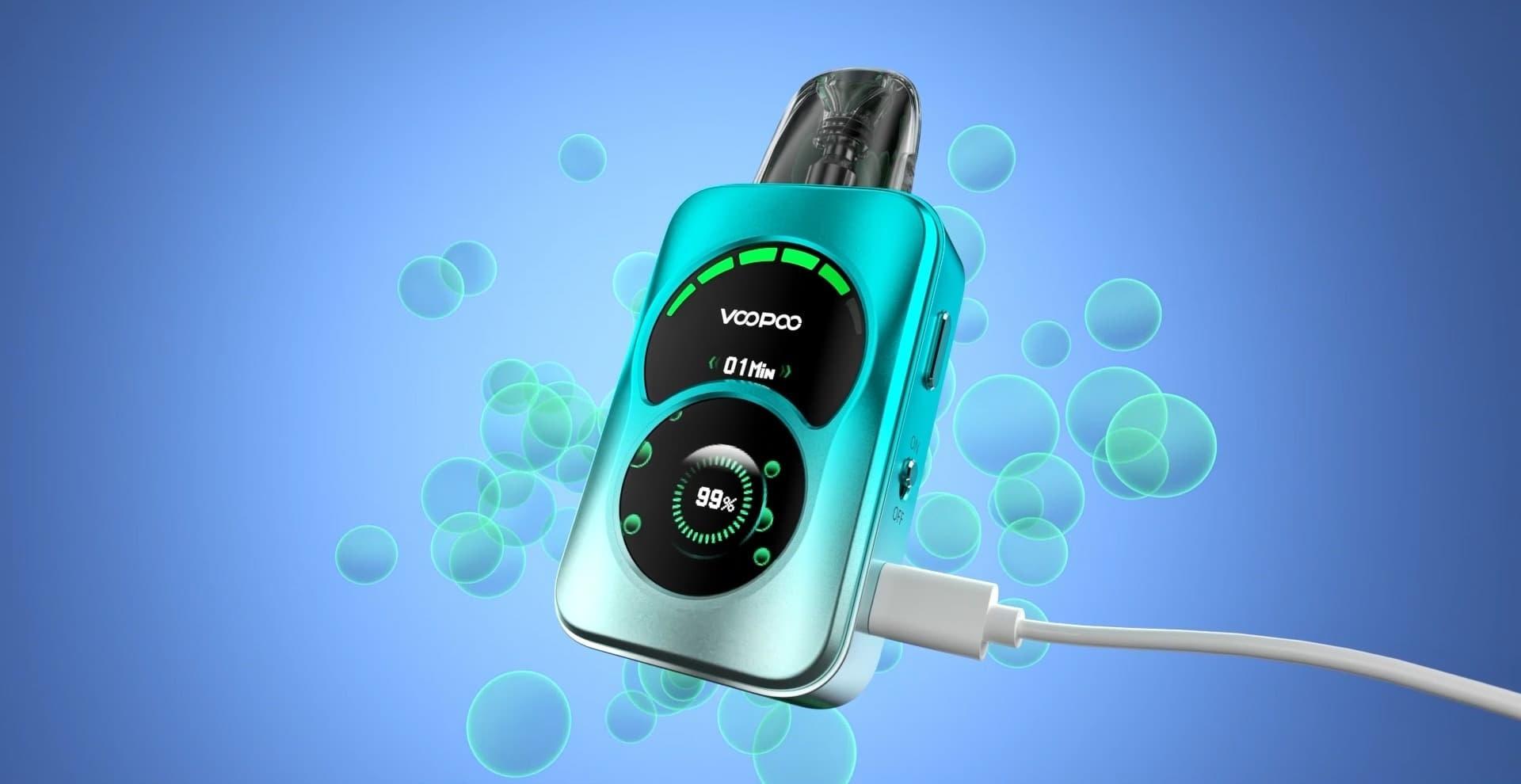
Keeping records of product ingredients, choosing nicotine levels thoughtfully, and discussing cessation strategies with a medical professional can reduce harm and clarify individual risk.
Common misconceptions and clarifications
Some messages circulating online simplify the debate into absolutes that mislead consumers. Common misconceptions include:
- “Vaping is completely safe.” No inhaled aerosol is entirely benign; data show reductions in some harmful exposures compared with smoking but not elimination of all risks.
- “There is conclusive evidence vaping causes cancer.” Not yet — direct causal evidence in humans over decades remains to be established, though mechanistic and toxicological data raise plausible concerns.
- “All vaping products are the same.” Product design, e-liquid composition, and user behavior create significant variability in emissions and potential harm.
Understanding the nuance helps individuals and policymakers make informed choices.
What to expect from future research
Expect several lines of study to improve clarity over the coming years: long-term cohort studies that track cancer incidence among exclusive vapers and former smokers; better exposure science that quantifies lifetime doses of specific carcinogens; mechanistic laboratory studies that examine cellular and tissue-level effects of chronic aerosol exposure; and more rigorous surveillance of product quality and contaminants. These studies will help answer the question “can electronic cigarettes give you cancer?” with greater certainty, including identifying which user behaviors and product types pose the greatest risk.
Balanced conclusion: risk, uncertainty, and decisions
To summarize: the presence of carcinogenic compounds in some e-cigarette aerosols and evidence of DNA or cellular damage in laboratory studies provide plausible mechanisms by which electronic cigarettes could contribute to cancer risk. However, the comparative risk compared to combustible cigarettes appears lower for many cancers linked to combustion products. The absence of long-term human data prevents a definitive, quantitative statement about absolute cancer risk from modern vaping. Therefore, public health guidance emphasizes preventing initiation among non-smokers, protecting youth, discouraging use in pregnancy, and considering vaping as a harm-reduction tool primarily for adult smokers who cannot quit by other means.
- Regulated, lower-temperature use and avoiding dual use reduce exposure to some carcinogens.
- Choosing cessation methods with proven long-term safety profiles remains preferable when available.
- Monitor updates from reputable health organizations as new data emerge.
If you have questions about smoking cessation or risks associated with vaping devices like e-dym, consult a healthcare provider who can tailor advice to your medical history and help weigh potential benefits and harms.

FAQ
Are there any conclusive long-term studies showing e-cigarettes cause cancer?
No conclusive long-term human studies have yet established a direct causal link between modern e-cigarette use and specific cancers. Research is ongoing; mechanistic and short-term studies indicate potential risks, but long-term epidemiological confirmation requires more time.
How does the cancer risk of e-cigarettes compare to traditional cigarettes?
Experts generally agree that e-cigarettes, when used exclusively by adult smokers as a complete substitute for smoking, are likely to reduce exposure to many combustion-related carcinogens. However, “lower risk” does not mean “no risk,” and the safest option remains cessation of all tobacco and nicotine products.
Do flavored e-liquids increase cancer risk?
Some flavoring chemicals are safe to eat but may generate harmful byproducts when heated and inhaled. The risk varies by flavor compound and device conditions; therefore, caution and regulation are advisable.