E-Cigi as a Harm-Reduction Option: An Overview
The modern landscape of nicotine alternatives has rapidly evolved, and among the most discussed options is the electronic cigarette or E-Cigi. In debates that compare e cigarettes vs smoking, careful readers and health-conscious consumers seek evidence-based guidance on whether switching to an E-Cigi can lower individual and population risks associated with combustible tobacco. This long-form guide explores technical differences, risk profiles, behavioral impacts, regulatory considerations, and practical tips for smokers considering a transition to vapor-based nicotine devices. The content emphasizes clarity, neutrality, and SEO-optimized structure so the primary phrases E-Cigi and e cigarettes vs smoking are highlighted in appropriate HTML tags for discoverability and user experience.
What is an E-Cigi and how does it differ from traditional cigarettes?
At its core, an E-Cigi is a battery-powered device that heats a liquid solution (commonly called e-liquid, vape juice, or e-liquid) to create an inhalable aerosol. Unlike conventional tobacco cigarettes, which burn tobacco and paper and produce smoke containing thousands of combustion products, an E-Cigi generates vapor without combustion. This fundamental difference—combustion versus aerosolization—is central to why discussions of e cigarettes vs smoking focus on relative risk profiles rather than absolute safety.
Composition comparison
- Traditional cigarette smoke: contains nicotine, tar, carbon monoxide, polycyclic aromatic hydrocarbons (PAHs), nitrosamines, heavy metals, and thousands of other chemicals formed during combustion.
- E-Cigi aerosol: primarily contains propylene glycol and/or vegetable glycerin, nicotine (if present), flavoring compounds, and trace levels of thermal degradation products. The spectrum of chemicals is narrower and concentrations of many toxicants are lower compared with cigarette smoke.
Why researchers and health bodies frame this as harm reduction
Public health experts often categorize tobacco control strategies into prevention, cessation, and harm reduction. Harm reduction recognizes that while quitting nicotine entirely is ideal, some adult smokers are unable or unwilling to quit using existing methods. For these individuals, switching completely from combustible tobacco to less harmful nicotine delivery systems may reduce exposure to the most dangerous byproducts of burning tobacco. In the context of e cigarettes vs smoking, multiple studies have documented reductions in biomarkers of exposure among smokers who fully switch to E-Cigi devices.
Key evidence points
- Biomarker studies: reductions in levels of carbon monoxide and certain carcinogen metabolites when smokers switch to exclusive vaping.
- Clinical outcomes: short- to mid-term improvements in blood pressure, respiratory symptoms, and endothelial function have been reported in some cohorts who transition from combustion to vapor.
- Population modeling: public-health models suggest that if adult smokers switch at scale and youth initiation is constrained, overall population harms could decline.
Important caveats: Not risk-free
It is essential to emphasize that an E-Cigi is not a harmless product. Nicotine itself is addictive and has cardiovascular effects, and uncertainties remain about long-term inhalation of flavoring compounds and other constituents. The debate of e cigarettes vs smoking therefore often focuses on relative risk — that is, whether switching reduces exposure to the most harmful toxins produced by combustion — rather than declaring any nicotine product as completely safe.

Potential concerns
- Addiction and dual use: Some smokers may use both cigarettes and E-Cigis (dual use), which can blunt potential health gains unless dual use declines or ceases.
- Youth uptake: Unregulated or poorly tailored marketing and attractive flavors can increase experimentation among adolescents, leading to nicotine dependence or progression to combustible products.
- Product variability: Devices and e-liquids vary widely in design, heating temperatures, and constituents, which affects exposure to particular byproducts.
Regulatory environment and quality control
Regulatory strategies shape the public health impact of E-Cigi adoption. Effective rules that limit youth access, ensure product quality, standardize labeling, and restrict deceptive claims can enhance benefits in the e cigarettes vs smoking debate. Conversely, unregulated markets with contaminated products, unsafe batteries, or untested flavoring chemicals can introduce new risks.
Regulatory levers
- Product standards to limit toxicants and set maximum allowable concentrations of harmful constituents.
- Age restrictions and enforcement to reduce youth initiation.
- Marketing restrictions to avoid glamorization and misrepresentation of harms.
- Taxation and pricing policies designed to incentivize switching among smokers while not encouraging youth uptake.
Practical guidance for adult smokers considering switching
For adult smokers exploring alternatives, a pragmatic, clinician-informed approach improves success and safety. The following practical recommendations are geared toward maximizing potential harm reduction.
Step-by-step considerations
- Assess motivation: Determine if quitting completely is feasible or whether switching to a non-combustible nicotine delivery method could be a transitional or long-term strategy.
- Choose device type: From basic pod systems to advanced refillable devices, choose a device you are willing to use consistently; consistent use increases the chance of complete transition away from cigarettes.
- Select appropriate nicotine strength: Starting with nicotine levels that satisfy cravings helps prevent relapse to smoking. Users can gradually reduce nicotine concentration if desired.
- Prioritize reputable brands and tested e-liquids: Look for transparent ingredient lists, third-party lab testing, and clear safety information about the e-liquid and battery safety guidelines.
- Seek clinical support: Discuss switching plans with a healthcare provider. Behavioral support combined with switching often yields better outcomes.
- Set a quit date for combustible tobacco: A clear target to stop smoking completely prevents prolonged dual use.
Technical tips: Device maintenance and safety
Device reliability and safe operation minimize avoidable harms. Follow manufacturer instructions for charging, avoid counterfeit batteries, keep devices clean, and store e-liquids away from children and pets. In the e cigarettes vs smoking conversation, accidental injuries from batteries or ingestion of nicotine-containing liquids are preventable with proper care.
Battery and charging safety
- Use the charger provided by the manufacturer.
- Avoid overcharging or leaving a device unattended while charging.
- Replace damaged batteries or devices promptly.
Understanding flavors and their role
Flavorings in e-liquids can play a dual role: they increase appeal for adults trying to quit and provide a sensory alternative to the taste of tobacco, but they may also attract younger non-smokers. The e cigarettes vs smoking debate often becomes polarized around flavors. Balanced policies that permit flavors for adult cessation while restricting youth-targeted marketing are central to maximizing net public health gains.
Evidence synthesis: What major reviews say

Systematic reviews and health organization statements frequently note that while long-term data are incomplete, the weight of current evidence indicates lower exposure to many toxicants when smokers completely switch to E-Cigis compared to continuing combustible cigarettes. However, agencies also call for caution, recommending measures to prevent youth uptake, stronger product standards, and more long-term observational studies to clarify chronic effects. These nuanced conclusions underscore why e cigarettes vs smoking remains a contentious, evidence-driven discussion rather than a simple binary judgment.
Behavioral and social dimensions
Switching habits are influenced by psychology, social factors, and access. Peer networks, stressors, and socioeconomic status affect the success rate of smokers trying to transition to a vapor product. Smoking cessation services that integrate behavioral counseling with provision or guidance on switching devices often report higher quit rates.
Behavioral strategies to support switching
- Replace rituals associated with smoking (for example, taking a walk or drinking water during typical smoking times).
- Use mobile apps or digital interventions to track cravings and progress.
- Engage social support groups or cessation counselors for accountability.
Comparative risk communication
Clear, balanced communication is essential. Messages that overstate safety can mislead non-smokers; messages that overemphasize risks relative to cigarettes can deter smokers from switching. Effective public health communication about E-Cigi solutions should be calibrated: accurate about absolute risks, transparent about uncertainties, and explicit about the comparative benefits for smokers who would otherwise continue to smoke.
Research priorities and knowledge gaps
While existing research suggests potential for reduced harm when smokers fully transition to E-Cigis, several questions remain critical: long-term respiratory and cardiovascular outcomes, effects of sustained inhalation of various flavoring chemicals, the impacts of high-power devices and temperature control on thermal degradation products, and patterns of use across populations. Addressing these gaps with longitudinal cohort studies and independent product testing will improve the evidence base for policy and clinical guidance in the ongoing e cigarettes vs smoking debate.
Balancing individual and population perspectives
From an individual smoker’s standpoint, the primary question is whether switching reduces personal health risks; for many adults who have repeatedly failed to quit with other methods, the answer may be yes. From a population health perspective, policymakers must weigh adult benefits against potential harms such as youth initiation and commercialization practices that undermine regulation. Thoughtful regulation, surveillance, and public education are therefore essential to translating individual-level risk reduction into genuine population-level gains.
Summary: Practical takeaways
- Relative risk reduction: Current evidence supports the conclusion that completely replacing combustible cigarettes with an E-Cigi generally reduces exposure to many of the most harmful toxicants produced by tobacco combustion.
- Not risk-free: Nicotine addiction and uncertainties about long-term inhalation risks remain important concerns.
- Regulation matters: Product standards, youth protections, and accurate public messaging strongly influence net public-health outcomes in the e cigarettes vs smoking context.
- Support for switching: Clinical counsel, behavioral support, and product quality controls increase the likelihood that adult smokers who try vaping will successfully quit combustible cigarettes.
Concluding perspective
Understanding the nuanced trade-offs between combustible cigarettes and alternatives like E-Cigis is essential for smokers, clinicians, and policymakers. The debate about e cigarettes vs smoking is not merely about comparing devices; it is about optimizing strategies to reduce the harms of tobacco while protecting vulnerable populations. Thoughtful, evidence-informed policies and individualized clinical guidance can align incentives so that the promise of harm reduction is realized while minimizing unintended consequences.
Frequently Asked Questions
Q1: Are E-Cigi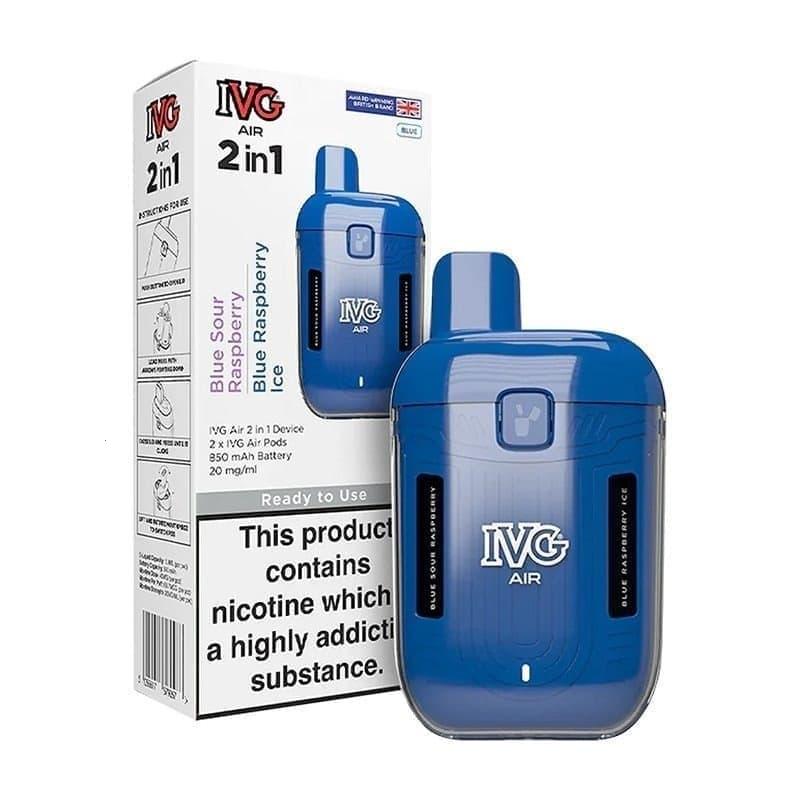 s proven to help people quit smoking?
Research shows that some smokers successfully quit by switching to E-Cigis, particularly when combined with behavioral support. Randomized trials and observational studies indicate higher cessation rates for some forms of vaping compared to nicotine replacement therapy in certain settings, but individual outcomes vary and long-term success depends on complete replacement of combustible smoking rather than dual use.
Q2: Is vaping safer than smoking for people with heart or lung disease?
Switching from smoking to vaping reduces exposure to many combustion-related toxicants, which may lower some short-term cardiovascular and respiratory risks. However, nicotine and some aerosol constituents still pose potential harms, so patients with preexisting conditions should consult healthcare providers before making changes and prioritize strategies with the best-supported safety and effectiveness for them.
Q3: What should I look for when choosing an e-liquid or device?
Choose products with transparent ingredient lists and third-party testing where available. Start with a device that reliably delivers nicotine to satisfy cravings, follow battery safety guidance, select nicotine concentrations that prevent relapse to smoking, and prefer established brands with clear manufacturing practices.
Q4: Will flavors increase the chance that youth will start using nicotine?
Flavors can increase the appeal of vaping to youth. Effective policies to limit youth access, restrict flavor marketing that targets adolescents, and enforce age verification help mitigate this risk while allowing adult smokers access to alternatives that could reduce harm.