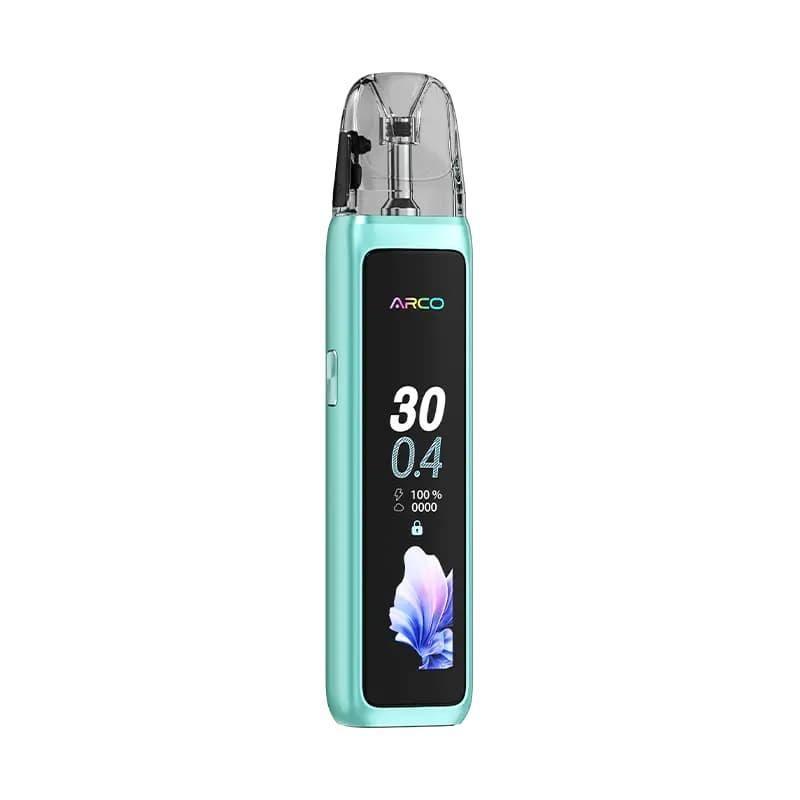
E-cigarettes: A Comprehensive Guide to Smoking Substitution
e-cigarettes have revolutionized the landscape of personal nicotine delivery systems over the past decade. With their widespread popularity and the growing understanding of their impact, it has become essential to decode their features, health implications, and the role these devices play in e cigarettes and smoking cessation strategies. This guide delves deeply into how electronic cigarettes differ from traditional tobacco, their technology, benefits, limitations, and their significance for smokers seeking healthier lifestyles.
What Are E-cigarettes?
Modern e-cigarettes are battery-powered devices designed to atomize a liquid mixture, commonly referred to as e-liquid or vape juice. Instead of burning tobacco, e-cigarettes heat this liquid to release a vapor containing nicotine, flavorings, and other chemicals—offering users an alternative way to experience nicotine without combustion.
Key Components of E-cigarettes
- Battery: Powers the device and may be rechargeable or disposable.
- Atomizer: Heats the e-liquid and turns it into vapor.
- Cartridge or Tank: Holds the e-liquid.
- Mouthpiece: Allows the user to inhale the vapor.
The Technology Behind E-cigarettes
E-cigarette devices range from simple cigalike models that mimic regular cigarettes to advanced mods with customizable controls. The adaptability and variety of e-cigarettes have increased their appeal among people seeking an alternative to traditional smoking, particularly for those focusing on e cigarettes and smoking cessation.
How E-cigarettes Help in Smoking Cessation
Several peer-reviewed studies and real-world surveys indicate a promising connection between e cigarettes and smoking cessation. The primary way e-cigarettes help smokers quit is by addressing nicotine craving while simultaneously eliminating tobacco smoke, thus reducing the intake of harmful combustion by-products like tar and carbon monoxide.
Nicotine Control and Gradual Reduction
E-cigarettes allow users to select e-liquids with varying nicotine strengths, creating the potential for gradual step-down approaches. Smokers can start with high-nicotine options, then progressively switch to lower strengths, ultimately transitioning to zero-nicotine choices if desired. This personalized flexibility makes e-cigarettes particularly supportive for those undertaking e cigarettes and smoking cessation programs.
Advantages Over Traditional Cigarettes
- Reduced Exposure to Carcinogens: E-cigarettes do not burn tobacco, drastically lowering exposure to carcinogens found in cigarette smoke.
- No Secondhand Smoke: Vapor from e-cigarettes contains far fewer toxic compounds than cigarette smoke, making it less harmful to bystanders.
- Customizable Experience: From device design to flavor choice to nicotine levels, e-cigarettes offer a tailored vaping experience that can suit various user preferences.
- Less Odor: Vapor dissipates quickly and doesn’t cling to clothing or surroundings as traditional cigarette smoke does.

Challenges and Considerations in E-cigarette Use
Despite their benefits, e-cigarettes are not without risks. Research into long-term health effects is ongoing, and the presence of certain chemicals in vape juices may still be harmful when inhaled in large quantities. For users interested in e cigarettes and smoking cessation, it’s important to approach e-cigarette adoption thoughtfully—ideally under the guidance of healthcare professionals.
Regulatory Landscapes and Quality Control
The market for e-cigarettes is dynamic and regulated differently across regions. Users should prioritize purchasing devices and e-liquids from reputable brands with transparent ingredient lists and quality assurance to ensure their safety throughout smoking cessation journeys.
Understanding the Different Types of E-cigarettes
Several classes of e-cigarettes exist, each uniquely suited for different types of consumers and cessation needs:
- Cigalikes: Simple, beginner-level devices that look and feel like regular cigarettes. Ideal for new users.
- Vape Pens: Sleek, pen-shaped devices that offer a balance between portability and nicotine delivery.
- Pod Systems: Ultra-portable, easy-to-use devices with pre-filled or refillable pods; favored by smokers wanting discreet solutions for e cigarettes and smoking cessation.
- Mods: Advanced devices with customizable settings, higher vapor production, and longer battery life, best for experienced vapers.
Choosing the Right E-cigarette for Smoking Cessation
Every smoker’s journey is unique, and the choice of e-cigarettes should reflect individual needs. Factors like nicotine dependence, flavor preference, budget, and technical comfort play vital roles in selecting the optimal device for e cigarettes and smoking cessation. Consulting with physicians or cessation counselors can further enhance successful outcomes.
Flavor Options and User Experience
Flavor diversity is a major attraction for many users who switch to e-cigarettes. With hundreds of flavors available—from tobacco and menthol to desserts and fruits—the transition away from combustible tobacco can become more enjoyable and sustainable, further reinforcing e cigarettes and smoking cessation efforts.
The Role of Behavioral Support in Coherence With E-cigarette Use
Behavioral interventions such as counseling, support groups, and digital cessation platforms are critical complements to e-cigarettes use. While e-cigarettes address physiological dependence, behavioral support tackles the psychological aspects of smoking. The combined approach increases overall success rates for those committed to e cigarettes and smoking cessation.
Potential Health Risks and Myths
Although e-cigarettes are widely promoted as a safer alternative, misconceptions persist. Some believe that vaping is entirely harmless, but while many toxins in cigarette smoke are absent from vapor, some substances—including nicotine, certain flavor agents, and propylene glycol—may have health implications. For effective e cigarettes and smoking cessation, education about both risks and benefits is imperative.
- Myth: E-cigarettes are more addictive than cigarettes.
Fact: Vaping can deliver high levels of nicotine, but many products allow users to reduce their intake for cessation purposes. - Myth: All e-cigarettes contain tobacco.
Fact: Most e-liquids are tobacco-free, using purified nicotine extracted from tobacco plants.
Scientific Evidence: E-cigarettes’ Utility in Quitting Smoking
Recent meta-analyses and randomized trials have demonstrated higher quit rates in smokers using e-cigarettes relative to nicotine replacement therapies (NRTs) when paired with professional support. Users who chose e cigarettes and smoking cessation reported lower overall nicotine cravings, found the process less stressful, and were more likely to maintain tobacco-free status in the long term.
Success Stories From Real Users
Many ex-smokers have shared their journeys involving e-cigarettes as an integral part of e cigarettes and smoking cessation. From reducing daily smoking to quitting entirely, their experiences support the importance of a well-informed and supported transition using vaping technologies.
Tips for Using E-cigarettes Effectively in Smoking Cessation
- Set Clear Goals: Define whether you want to reduce smoking or quit entirely and select appropriate nicotine strengths to support these objectives.
- Monitor Usage: Track progress and adjust device settings or e-liquid strengths as needed to keep moving toward cessation.
- Stay Informed: Educate yourself on the latest research and recommendations regarding e-cigarettes.
- Seek Support: Leverage professional counseling and cessation platforms to complement your e cigarettes and smoking cessation journey.
Integrating E-cigarettes With Other Cessation Methods
Combining e-cigarettes with therapies like nicotine patches, lozenges, and even medications (when approved by a healthcare provider) can maximize results. Some smokers find hybrid approaches more successful in achieving sustained e cigarettes and smoking cessation.
The Future of E-cigarettes in Harm Reduction
As research on e-cigarettes continues, their role in public health strategies evolves. Progressive regulation and greater transparency around product contents will likely bolster their utility in e cigarettes and smoking cessation, making them safer and more effective tools against global tobacco morbidity.
Innovations to Expect
- Increased safety standards
- Advanced device designs for precise nicotine control
- Wider flavor and formulation choices
- Greater collaboration between clinicians and vaping manufacturers in crafting evidence-based cessation plans
Conclusion
e-cigarettes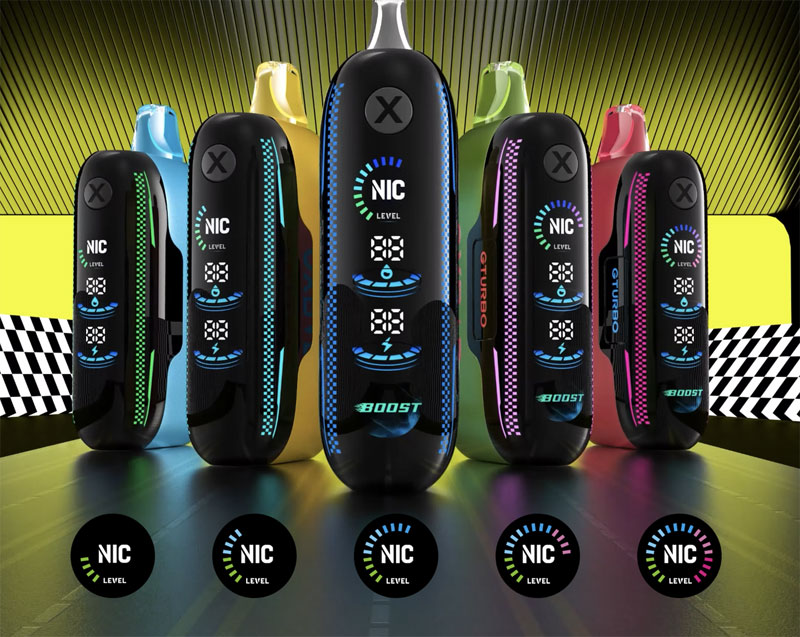 have become central in many people’s journeys toward quitting tobacco. When integrated with behavioral support and accurate information, they offer a flexible, effective, and enjoyable alternative as part of e cigarettes and smoking cessation efforts. Understanding the intricacies of e-cigarette technology, user choices, health outcomes, and regulatory standards is critical for anyone considering this approach. Always seek reputable guidance and persistently evaluate your journey to maximize long-term success.
Frequently Asked Questions About E-cigarettes and Smoking Cessation
- Are e-cigarettes completely safe compared to regular cigarettes?
- While e-cigarettes dramatically reduce exposure to toxic combustion by-products, they are not entirely risk-free. Moderation and product quality are key, and medical advice should be sought for safe cessation strategies.
- Can I use e-cigarettes to reduce my nicotine intake?
- Definitely. Many e-cigarettes allow for adjustable nicotine levels, supporting gradual reduction and successful smoking cessation planning.
- Do all e-cigarettes help with quitting smoking?
- The effectiveness depends on device type, nicotine delivery, and user habits. Paired with behavioral support, e-cigarettes can substantially aid cessation, but individual results may vary.
- Is vapor from e-cigarettes harmful to bystanders?
- E-cigarette vapor generally contains fewer toxins than cigarette smoke, making it less hazardous for bystanders, though some exposure risks remain, especially in poorly ventilated areas.
- What flavors are best for quitting smoking with e-cigarettes?
- This is subjective. Some users find classic tobacco or menthol flavors easier to transition from, while others prefer fruit or dessert varieties for long-term satisfaction and success.