Electronic cigarettes have garnered significant attention as an alternative to traditional smoking. While their impact on health is frequently discussed, their environmental effects are often overlooked. This content explores whether e-cigarettes are truly more environmentally friendly than their traditional counterparts, or if they pose hidden ecological challenges.
The Composition and Disposal of E-Cigarettes
E-cigarettes typically consist of a battery, a cartridge containing e-liquid, and a heating element. These components may contribute to environmental concerns if not properly disposed of. Traditional cigarettes are infamous for littering streets, but e-cigarettes, with their electronic components, can add to electronic waste, which poses its own environmental hazards.
Reasons for Concern
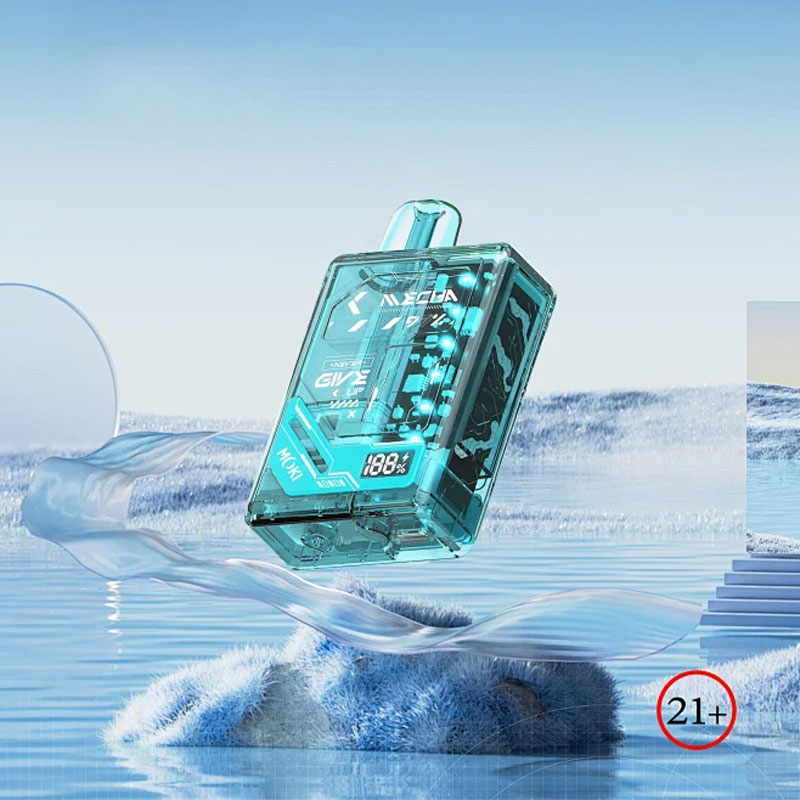
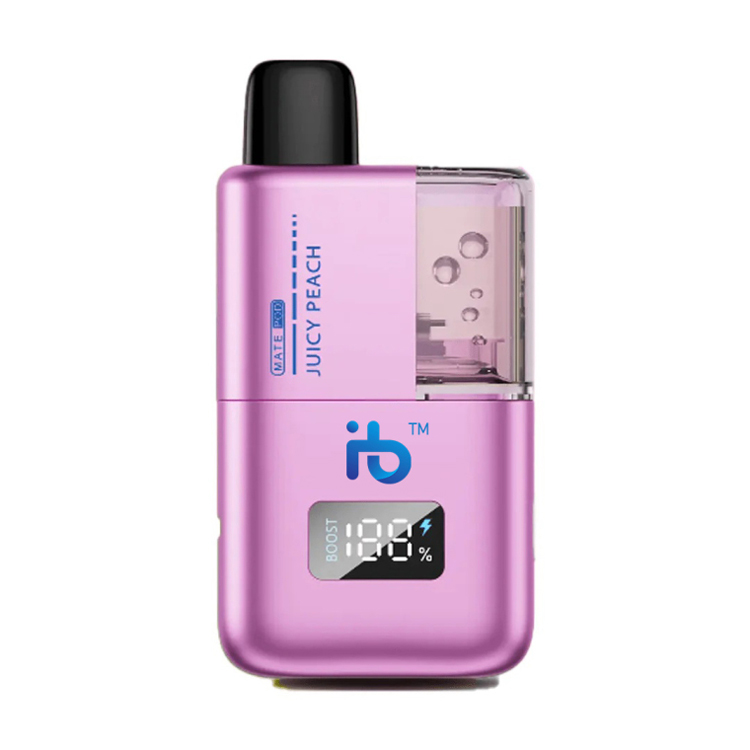
The production and disposal of rechargeable batteries are a notable concern. Batteries can release harmful metals and chemicals into the soil and water systems. If not recycled, they contribute significantly to electronic waste. E-cigarette cartridges are often made of plastic, which raises concerns over plastic pollution if discarded improperly.
Furthermore, the e-liquid contains nicotine, which is a toxic substance. Spillage during disposal can contaminate ecosystems and affect wildlife health. Unlike traditional cigarette waste, which poses chemical hazards primarily close to urban areas, e-cigarette waste can affect wider regions due to the dispersal of electronic components.
Eco-Friendly Practices
Despite these concerns, there are steps users and manufacturers can take to mitigate environmental impact. Recycling programs specifically for e-cigarette components are encouraged. Proper disposal of cartridges and batteries can significantly reduce ecological footmarks. Many e-cigarette companies now actively promote recycling efforts and offer incentives for returning used products.
Comparison with Conventional Cigarettes
In contrast, traditional cigarettes contribute not only to air pollution but also to soil contamination from discarded cigarette butts. The cellulose acetate in filters is slow to biodegrade, often taking years. E-cigarettes might still seem environmentally advantageous since they lack these specific components.

Nonetheless, this comparison does not invalidate the e-waste problem inherent to e-cigarettes. Sustainable practices must be adopted to create a truly eco-friendly smoking alternative.
Are E-Cigarettes More Harmful to the Environment?
The potential for electronic waste, nicotine contamination, and plastic pollution suggests that without sustainable disposal practices, e-cigarettes can also be environmentally damaging. When comparing the overall environmental impact, both require respectively tailored recycling and disposal systems to mitigate their ecological footprints. Learn more here
FAQ
Q: Can e-cigarette batteries be recycled? A: Yes, e-cigarette batteries can be recycled at designated electronic waste centers. Many manufacturers provide information on how to recycle their products properly.
Q: Does nicotine from e-liquid affect the environment? A: Nicotine is a toxic compound and, when disposed of incorrectly, can leach into soil and water, harming wildlife and ecosystems.
Q: Are there eco-friendly e-cigarette options? A: Some companies are working towards more sustainable products, offering biodegradable cartridges and encouraging users to participate in recycling programs. Always consider a brand’s environmental policies before purchasing.