2026 Overview: Understanding Rules and Minimum Purchase Ages for Vaping Products
In 2026 many nations continue to refine legislation governing vaping devices, nicotine liquids, and accessories. This comprehensive guide focuses on practical, SEO-friendly information about regulations, compliance, and the minimum age to purchase e-cigarettes. Throughout this article you’ll find clear explanations about national differences, retailer responsibilities, cross-border travel considerations, and health-oriented recommendations. Key terms emphasized for search visibility include e-zigaretten and legal age to buy e cigarettes, which appear repeatedly to improve discoverability while keeping content natural and informative.
Why age limits and product rules matter
Age limits and product regulation aim to reduce youth uptake, ensure product safety, and simplify enforcement. Legislators craft rules that influence packaging, flavor availability, nicotine concentration, and retail channels. While the core public health intent is similar across jurisdictions, the specifics for the legal age to buy e cigarettes and rules on e-zigaretten vary significantly, so consumers and retailers should stay informed about local and national requirements.
How to interpret age-based laws

When reading a statute or retail guidance, note three primary elements: the minimum chronological age to purchase/possess, whether parental consent or accompaniment is permitted, and special provisions for online or duty-free sales. For example, some countries set one unified age for all nicotine products; others maintain distinct ages for combustible tobacco and electronic nicotine delivery systems (ENDS). Retailers must verify ID to comply with the legal age to buy e cigarettes and avoid fines or license suspension.
Key concepts: purchase, possession, and use
Purchase means the transfer of ownership in commerce. Possession means holding a product; some jurisdictions criminalize possession by underage people even if not bought by them. Use is consumption — vaping in public or private spaces may be regulated separately. Understanding these distinctions helps both consumers and businesses comply with evolving e-zigaretten standards.
Global snapshots: age limits and regulatory approaches
Different regions adopt diverse strategies to address youth vaping and consumer protection. Below are concise regional summaries with practical notes for consumers and retailers.
United States
Federal law raised the nationwide minimum age to purchase tobacco products, including e-cigarettes, to 21 in 2019. States and municipalities may impose additional retail licensing, flavor restrictions, tax regimes, or indoor use bans. Retailers must check ID for anyone who appears under a threshold age and follow state-specific packaging and ingredient disclosure rules. Online vendors must implement age verification systems and comply with shipping rules for nicotine-containing liquids.
European Union and United Kingdom
The EU Tobacco Products Directive (TPD) sets harmonized rules like nicotine concentration caps, product notification to authorities, and health warnings. EU member states determine national minimum ages — commonly 18. The UK maintains a generally 18+ minimum, strict advertising limitations, and product notification. Germany, where the term e-zigaretten is common, enforces age checks, product labeling, and sometimes regional measures on sales and flavors. For cross-border shoppers, remember that the legal age to buy e cigarettes may change at national borders.
Canada
Canada’s provinces set their own legal ages, mostly 19 in many provinces and 18 in others. Canada also enforces strict regulations on marketing and flavor descriptors, and federal law restricts nicotine concentrations and packaging aimed at youth. Retailers must keep updated records to ensure compliance with minimum age rules.
Australia and New Zealand
Australia often has stringent controls: nicotine vapor products are prescription-only or subject to strict import rules in many states, and purchase without prescription can be illegal. New Zealand has implemented a comprehensive vaping strategy including a typical minimum age of 18, flavor and display restrictions, and retailer licensing aimed at reducing youth nicotine addiction. Always consult local health agencies for the latest guidance if you are purchasing or selling in these countries.
Asia, Latin America, and Africa
These regions show a patchwork of rules. Some countries ban e-cigarettes outright, others permit sales with age limits commonly ranging from 18 to 21, and enforcement intensity varies. Travelers should research local laws to avoid confiscation or legal penalties; vendors should plan for compliance in export and import processes.
Specific retailer responsibilities
- ID verification: Implement a consistent ID policy — scan, retain, or validate IDs per local law.
- Age-restriction signage: Display required signage and warnings at points of sale.
- Employee training: Train staff to spot fake IDs and to refuse sales when in doubt.
- Online verification: Use robust age-gate solutions like database checks, third-party verification, or certified age verification providers to comply with the legal age to buy e cigarettes when selling online.
- Recordkeeping: Keep sales logs where required, and ensure traceability for product recalls.
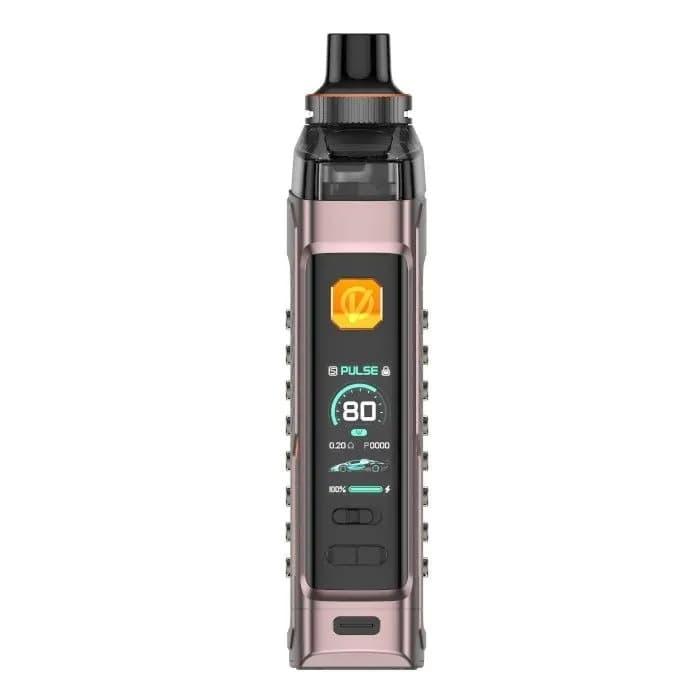 e-zigaretten Rules and the legal age to buy e cigarettes in Your Country” />
Online sales and shipping rules
Online vendors must navigate an added layer of complexity: verifying age at purchase and often at delivery. Common best practices include requiring account registration with verified identity, third-party age verification services, and delivery to the ID holder only. Some countries ban the postal import of nicotine liquids without prescription, creating legal risk for merchants and consumers alike.
Age verification technologies
Age verification can rely on document scanning, database checks, or biometric methods. Each method balances privacy, accuracy, and cost. Retailers should choose solutions compliant with data protection laws (e.g., GDPR in Europe) and able to provide audit trails proving adherence to the legal age to buy e cigarettes.
Labeling, nicotine limits, and flavors
Regulatory frameworks often restrict nicotine concentration (e.g., mg/mL limits), require child-resistant packaging, and demand clear ingredient lists and health warnings. Flavor restrictions are increasingly common as countries seek to limit youth appeal. When a product is marketed as e-zigaretten compatible, sellers must still disclose nicotine content and ensure packaging meets local standards.
Enforcement, penalties, and compliance audits
Enforcement ranges from routine compliance checks to undercover purchases by law enforcement. Penalties for selling to underage buyers include fines, license suspension, and in severe cases criminal charges. Retailers should proactively participate in compliance training and maintain documented procedures as evidence of responsible retailing.
Travel, duty-free, and cross-border issues
Travelers should be cautious: rules differ for carry-on, checked luggage, and duty-free purchases. Many airports prohibit vaping in terminals and aircraft, and some countries will confiscate or penalize possession. When crossing borders, the legal age to buy e cigarettes and import limits can produce unexpected legal exposure — always research and declare if necessary.
Public health and cessation support
While many jurisdictions view vaping as a tool for adult smokers to reduce harm, public health bodies recommend restricting access to youth. If you’re trying to stop smoking, consult evidence-based cessation services. Governments may offer counseling, nicotine replacement therapies, and regulated pathways for obtaining medically supervised vaping products in places with prescription rules.
Practical tips for consumers
- Always carry valid government ID when purchasing e-zigaretten or nicotine products.
- Buy from reputable, licensed retailers and check product labeling for nicotine content and safety marks.
- Keep devices and liquids out of reach of children and pets; many nicotine liquids are hazardous if ingested.
- When traveling, research destination laws and airline policies, and store devices and batteries safely.
Practical tips for retailers
- Implement and document a consistent age verification policy; train staff and refresh training periodically.
- Maintain compliance with product notification and labeling requirements in each market you serve.
- Use tamper-evident, child-resistant packaging and clear consumer information sheets.
- Subscribe to regulatory updates and join relevant trade associations to receive compliance alerts.

Common compliance pitfalls
Misunderstanding the difference between minimum purchase age and possession age, failing to update online age-gate systems, and neglecting local advertising restrictions are frequent issues. Another common error is assuming that a product legally sold in one country will be acceptable in another — import rules and taxes can render seemingly lawful sales illegal.
Scenario-based guidance
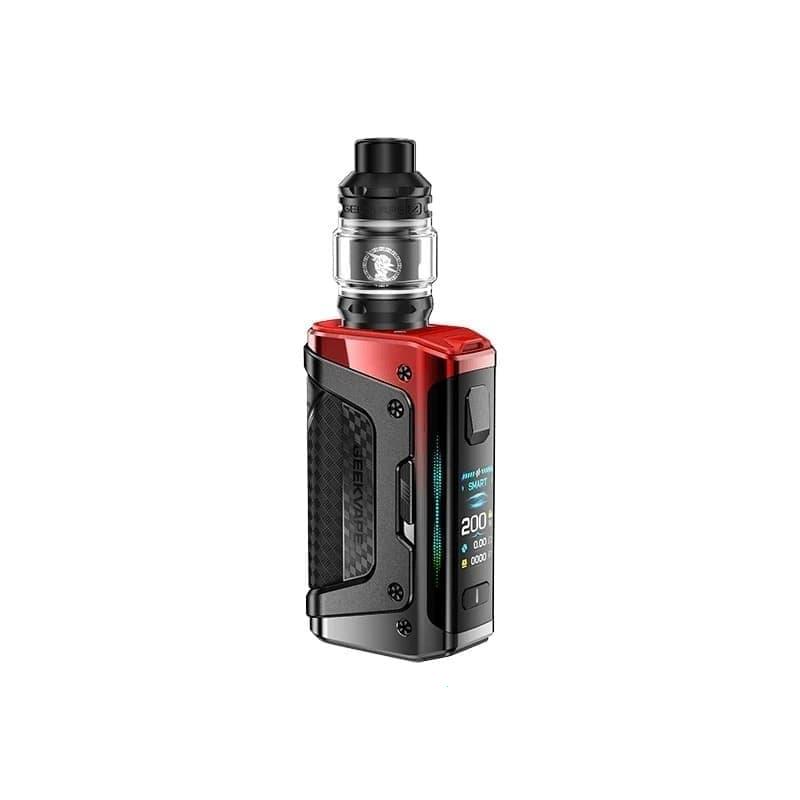
Scenario 1: If a store in Europe receives a shipment labeled e-zigaretten from a non-EU supplier, check TPD notification requirements, labeling, and nicotine concentration limits before offering products for sale. Scenario 2: A US-based online vendor planning to ship to multiple states must implement state-specific tax handling and be prepared for state enforcement actions if local age-verification rules differ. Scenario 3: A traveler from a country with an 18+ purchase age should verify the destination’s legal age to buy e cigarettes and whether duty-free allowances apply.
How to stay updated
Subscribe to government health department newsletters, regulatory agency feeds, and industry compliance services. Use reputable legal and public health resources to monitor changes. Local chambers of commerce and retailer associations also provide practical compliance support.
SEO and content considerations for websites
When creating content for a store or information portal, follow SEO best practices: include target keywords like e-zigaretten and legal age to buy e cigarettes in strategic headings and meta descriptions (note: meta tags are out of scope here, but useful for implementation). Provide authoritative, regularly updated content, signpost local rules by country, and include trust signals such as licensing information and links to official guidance. Use structured data where appropriate to help search engines understand content categories like “legal” and “health”.
Consumer privacy and data protection
When implementing age verification, carefully balance accuracy and user privacy. Securely handle scanned IDs or personal information, retain minimum required data, and comply with data protection laws. Display a clear privacy notice that explains why verification is needed and how long data will be stored.
Ethical considerations and youth prevention
Beyond legal compliance, ethical retailing seeks to prevent youth access. This includes refusing sales to adults who appear to be acquiring products for minors, avoiding youth-targeted marketing, and supporting local prevention programs. Responsible businesses contribute to healthier communities while reducing regulatory backlash.
How to read and use this guide
This article is intended as an overview, not legal advice. For authoritative guidance consult local statutes, official government resources, or legal counsel. Use this guide as a starting point to understand core issues surrounding e-zigaretten and the changing landscape of the legal age to buy e cigarettes.
Summary checklist
- Confirm the national and local minimum age for purchasing vaping devices and liquids.
- Implement robust ID checks and employee training.
- Follow product notification, labeling, and packaging rules.
- Use secure, privacy-compliant age verification for online sales.
- Monitor regulatory changes and adjust business practices promptly.
Further resources and next steps
To act on the information here, consult official health departments, national tobacco control bodies, and licensing authorities in the relevant country. Industry associations and accredited legal counsel can help translate high-level rules into operational policies that match the legal age to buy e cigarettes and local requirements.
Contact and community
Join professional forums and regulatory mailing lists to receive timely updates. Retailers should build local relationships with enforcement agencies to demonstrate transparency and good faith in compliance efforts. Consumers seeking help to quit tobacco should reach out to public health services for evidence-based support.
Note about terminology
The term e-zigaretten may appear in German-language materials and is used here to emphasize cross-lingual search relevance; the English phrase legal age to buy e cigarettes is used to match common search queries and support discoverability across markets. The combined token e-zigaretten|legal age to buy e cigarettes is intentionally included to connect readers searching in different languages and to improve SEO relevance for multilingual audiences.
Final thoughts
Regulation of vaping products continues to evolve. By prioritizing compliance, responsible retailing, and public health goals, businesses can operate sustainably while protecting youth. Consumers benefit from knowing their local rules and seeking reputable suppliers. Whether you’re checking the minimum age for purchase or building an age-verification system, practical, up-to-date knowledge is essential for lawful and ethical engagement with e-zigaretten.
Frequently Asked Questions
Q1: What is the most common minimum age to buy vaping products globally?
A1: Many countries set the minimum age at 18, though some jurisdictions use 21 or have prescription-only access. Always check local law.
Q2: Can parents buy e-cigarettes for their underage children?
A2: In most jurisdictions this is illegal or strongly discouraged and may attract penalties; parental consent is rarely a legal defense against sales-to-minors rules.
Q3: Are nicotine-free e-liquids regulated the same way?
A3: Regulations vary: some rules apply broadly to all e-liquid products while others focus on nicotine-containing liquids; packaging and marketing restrictions often still apply.
Q4: What should online merchants do to prove compliance?
A4: Use robust age verification, preserve records of checks, follow shipping restrictions, and display required warnings and licensing details to demonstrate good-faith compliance.