Practical guide for modern vapers: choosing devices and liquids with confidence
This comprehensive guide is designed to help curious shoppers navigate the evolving landscape of vaping hardware and flavors without repeating any full headline verbatim. If you are looking to understand how to evaluate a product, where to find reliable e-cigarety reviews, or how to choose a balanced juice for electronic cigarette for your device, you will find structured, SEO-focused, and actionable advice here. The goal is to offer a buyer-friendly roadmap with considerations for safety, flavor selection, device compatibility, and long-term satisfaction.
Why a methodical approach matters
Vaping is no longer just about picking a trendy flavor; it is an ecosystem of device type, coil chemistry, liquid composition, nicotine format, and personal taste preferences. A methodical buying plan reduces wasted money, avoids disappointment from mismatched device-liquid pairs, and improves safety. Keep the terms e-cigarety and juice for electronic cigarette in mind as central search phrases when researching — they help you filter targeted product pages, certification reports, and lab analyses from generic marketing language.
Core components of the decision process
- Device category: pod systems, starter kits, pen-style vapes, regulated mods, and sub-ohm tanks.
- Nicotine format: nicotine salts vs. freebase nicotine, concentration levels, and throat hit expectations.
- Liquid formula:
 PG/VG ratio, flavor concentration, additives, and manufacturer transparency.
 - Safety and testing: third-party lab reports, ingredient lists, and childproof packaging.
Device categories explained
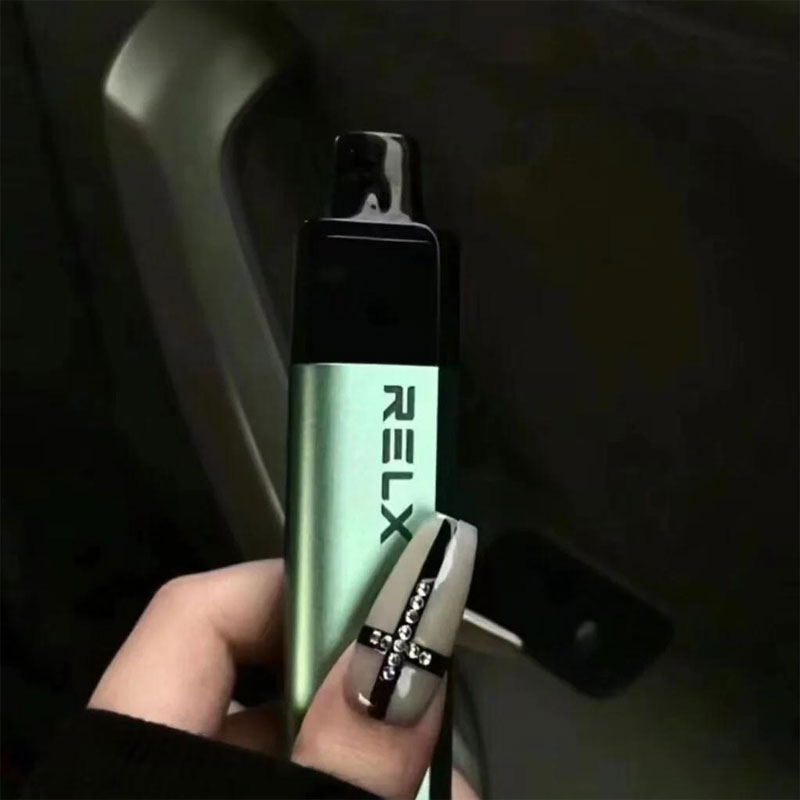
Understanding hardware will help you choose the right e-cigarety platform for your flavor and nicotine strategy. Pod systems are compact and often optimized for nicotine salts and high-PG liquids that deliver a strong throat hit. Starter kits and pen-style devices are forgiving for beginners and pair well with balanced juice for electronic cigarette blends. Sub-ohm setups and regulated mods demand low-nicotine, high-VG e-liquids designed for dense vapor and complex flavor layering.
Matching liquid to device
Device airflow, coil resistance, and wattage range dictate the ideal e-liquid profile. Low-resistance coils and high airflow benefit from high-VG blends that yield thicker clouds and muted harshness. Tight-draw devices and pods often work best with higher PG ratios for better flavor intensity and a pronounced throat hit. Use search terms like e-cigarety compatibility and specific device model + e-liquid ratio to find community-tested matchups.
Understanding e-liquid ingredients and labels
Most e-liquids list four core ingredients: vegetable glycerin (VG), propylene glycol (PG), nicotine (optional), and flavorings. Quality matters: pharmaceutical-grade PG and USP-grade VG are preferable. Flavorings should be food-grade and disclosed; reputable brands avoid controversial additives. When researching a new juice for electronic cigarette, demand transparency—look for complete ingredient lists and batch-level lab certificates (COA).
What the labels mean
- VG/PG ratio — higher VG for clouds, higher PG for throat hit and flavor delivery.
- Nicotine strength — expressed in mg/mL (e.g., 0, 3, 6, 12, 18 mg) or as percentages; nicotine salts are common in pod-focused strengths like 25–50 mg.
- Freebase vs nicotine salt — salts provide smoother high-strength nicotine delivery; freebase is suitable for lower-strength sub-ohm use.
Flavor categories and selection strategy
Flavors range from single-note profiles (mint, tobacco, vanilla) to multi-layered desserts and complex beverages. To avoid flavor fatigue, diversify by exploring categories: fruit, menthol, tobacco, dessert, beverage, and hybrid blends. When testing juice for electronic cigarette, sample small bottles or starter packs to determine if the profile scales well across devices and over time.
Tips for discovering your ideal flavor
- Start with reliable sub-samples or 10 mL testers before committing to large bottles.
- Pair flavors with device type: menthol and tobacco often suit MTL pods; creamy and custard blends come alive on warm sub-ohm coils.
- Rotate between flavor families to prevent desensitization and to more accurately judge new blends.
Nicotine considerations: salt vs. freebase
Nicotine salts are chemically altered to reduce harshness at higher strengths, making them ideal for those moving from combustible cigarettes. Freebase nicotine delivers a crisper throat hit and is often used at lower concentrations in cloud-oriented devices. Choose the nicotine type that aligns with your usage pattern and device. For suggestions, search for the keyword combination e-cigarety + nicotine salts vs freebase to find device-specific guidance.
How to pick nicotine strength
Match strength to device draw and daily consumption: tight MTL devices pair with 12–50 mg nicotine salts if you’re a heavy smoker transitioning; sub-ohm users typically favor 0–6 mg freebase nicotine. Trial and error is common; begin conservatively and adjust based on satisfaction and potential side effects like throat irritation or dizziness.
PG versus VG: balancing throat hit and vapor
Propylene glycol enhances flavor intensity and throat sensation while vegetable glycerin increases vapor volume and smoothness. A balanced 50/50 PG/VG is often recommended for starter devices. If you want intense clouds from a sub-ohm setup, seek a higher VG blend (e.g., 70/30 VG/PG). When shopping for juice for electronic cigarette, look for the written VG/PG ratio and user reviews that mention performance on similar coils.
Quality and safety signals to watch for
High-quality e-liquids will include lot numbers, batch-specific certificates of analysis, clear ingredient lists, child-resistant packaging, and a reputable retail presence. Avoid brands that omit basic manufacturing details or use vague marketing claims. Search terms like e-cigarety lab tested and juice for electronic cigarette COA will reveal whether a product has been third-party analyzed for contaminants and nicotine accuracy.
Red flags
- Undefined “proprietary flavor blends” with no ingredient transparency.
- No lab reports or lab reports only available upon request.
- Unclear nicotine labeling or inconsistent batch feedback in reviews.
Where to buy: local shops vs online stores
Brick-and-mortar vape shops offer try-before-you-buy options, device setup help, and local warranty support. Online stores typically provide larger inventories and detailed product listings including lab results. Use SEO strategies: include phrases like e-cigarety deals, juice for electronic cigarette reviews, and device model names to find trustworthy merchants. Pay attention to shipping policies and age-verification practices.
Smart online shopping tips
- Check for batch COAs and third-party testing links on product pages.
- Read reviews across multiple platforms — avoid sites with only positive feedback.
- Consider return policies on hardware and authentication badges for authenticity checks.
DIY mixing basics (advanced purchasers)
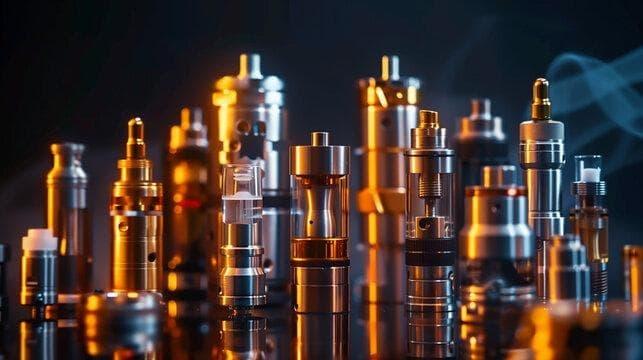
For experienced hobbyists, DIY mixing can unlock custom flavor control and cost savings. However, it requires precision tools, nic-safe protocols, and proper labeling. Beginners should first study mixing ratios, steeping techniques, and safety precautions for nicotine handling. Commonly, DIY recipes will specify a base VG/PG and percentage of concentrated flavoring. When searching for recipes or concentrates, include keywords like e-cigarety concentrates and juice for electronic cigarette DIY to filter resources focused on vaping-safe flavorings rather than culinary extracts.
Essential DIY safety rules
- Use gloves and eye protection when handling concentrated nicotine.
- Store nicotine and concentrates out of reach of children and pets.
- Label every bottle with concentration, date mixed, and steeping notes.
Maintenance and coil care for lasting flavor
Coil age, wicking, and power settings dramatically affect flavor fidelity. Regularly prime new coils and avoid chain vaping on a new wick. Lower wattage initially extends coil life; monitor for flavor degradation, burnt notes, or visible residue. Matching your juice for electronic cigarette viscosity to coil parameters avoids dry hits and premature coil failure.
Checklist for optimal flavor performance
- Prime new coils with a few drops of e-liquid directly on the cotton and let sit 5–10 minutes.
- Run a few short puffs at reduced power to saturate the wick.
- Use device wattage recommendations and adjust in small increments.
Price vs. value: evaluating cost-per-mL and brand reputation
Cost is important but not everything. Cheap liquids may compromise on ingredient quality and testing. Calculate cost-per-mL and weigh it against lab-backed safety, brand reputation, and flavor consistency. Use search parameters like e-cigarety price comparison and juice for electronic cigarette best value to find community price benchmarking and verified seller lists.
Flavor pairing and lifestyle tips
Consider your daily routines: morning vapes may favor lighter fruit or coffee flavors, while evenings can accommodate dessert and tobacco blends. Pair menthol with citrus or iced fruit for a bright experience, or blend creamy bases with bakery flavors for smooth dessert satisfaction. Keep a flavor log to track how each liquid performs across different devices and times — this helps refine your purchases and reduces buyer’s remorse.
Examples of successful pairings

- Citrus + menthol for a crisp, refreshing draw ideal for warm weather.
- Vanilla custard + nutty notes for an indulgent after-dinner vape.
- Tobacco + light caramel for former smokers seeking familiar warmth.
Regulatory and legal considerations
Regulations vary by country and region; be sure the products you purchase comply with local rules. Some jurisdictions restrict certain flavors, require standardized labeling, or limit nicotine strength and bottle sizes. Search for compliance markers like TPD (in Europe), local age verification badges, and regulatory statements when evaluating sellers of e-cigarety gear and juice for electronic cigarette.
Long-term storage and shelf life
Proper storage extends flavor life: keep bottles in cool, dark places with caps tightly closed. Avoid prolonged exposure to sunlight and heat. Over time nicotine oxidizes and flavors can fade — note bottling and purchase dates. For DIY mixes, label with mix date and recommended steep time.
Flavor fatigue and how to prevent it
Flavor fatigue is common; the palate adapts and reduces sensitivity to the same profile. Rotate flavors every few days, cleanse your palate with neutral-tasting snacks or plain water, and take short vape breaks to reset taste receptors. Using the keywords e-cigarety palate reset and juice for electronic cigarette rotation helps you find curated rotation schedules and expert tips from flavor specialists.
Checklist before final purchase
- Confirm device-liquid compatibility and recommended VG/PG ratio.
- Verify nicotine format aligns with your consumption goals (salt vs freebase).
- Check for lab reports, ingredient transparency, and batch numbers.
- Read multiple user reviews for the specific flavor on similar device setups.
- Confirm return policy and warranty for hardware purchases.
Buyer roadmap — step-by-step
Step 1: Identify your device type and daily usage pattern. Step 2: Narrow nicotine format and strength. Step 3: Select flavor category(s) to sample. Step 4: Check lab testing and brand reputation. Step 5: Purchase testers or small bottles and keep a flavor log to compare devices. Step 6: Adjust wattage, coil choice, and PG/VG ratio based on performance. Revisit searches using targeted keywords like e-cigarety compatibility and juice for electronic cigarette tester to refine your selections.
Common pitfalls to avoid
- Buying large volumes of a new flavor without testing on your device.
- Assuming a flavor will scale between devices without reading performance notes.
- Ignoring lab reports or safety documentation for cheap liquids.
Final thoughts and long-term satisfaction strategies
Successful vaping purchases combine honest research, strategic sampling, and realistic expectations. Keep a focus on ingredient transparency and independent testing while using focused search queries that include brand names and terms like e-cigarety and juice for electronic cigarette. Build a small rotation of trusted flavors that pair well with your favorite device and keep experimenting in measured ways.
Appendix: useful search queries and keywords
Try these targeted searches to find reliable information: “best e-cigarety for nicotine salts”, “lab-tested juice for electronic cigarette“, “VG/PG recommendations for [device-model]”, “COA e-cigarety brand”, and “nicotine salt vs freebase juice for electronic cigarette“. These phrases help surface pages with technical details rather than marketing fluff.
Local community and expert resources
Visit local vape shops for hands-on trials, join reputable online forums to learn from experienced vapers, and follow independent testing labs that publish accessible COAs. Community feedback paired with laboratory transparency gives you both experiential and scientific input to inform purchases.
FAQ
A1: Start by estimating your cigarette consumption and preferred draw type. Transitioning smokers often prefer nicotine salts in higher concentrations on pod devices. Sub-ohm cloud producers usually choose lower freebase nicotine. Begin conservatively and adjust based on satisfaction and any adverse effects.
Q2: Is higher VG always better for flavor?
A2: Not necessarily. Higher VG increases vapor and smoothness but can reduce perceived flavor intensity. Balanced ratios like 50/50 or 60/40 often yield clearer flavor profiles on mid-power devices. Match VG to coil design and wicking capability.
Q3: Are all flavorings safe to vape?
A3: Most reputable e-liquid manufacturers use food-grade flavorings, but not all culinary extracts are suitable for inhalation. Seek brands with transparent ingredient lists and third-party lab testing to reduce risk from unwanted contaminants or problematic additives.