Vape as a quitting tool: clear, practical guidance for smokers
This in-depth guide explores how modern alternatives such as Vape products can be used as part of a quit plan, addressing the central question many smokers ask: “how do e cigarettes help you quit”? The goal here is to present balanced, evidence-informed, and practical advice that supports someone who wants to stop combustible tobacco while preserving a search-friendly structure so that readers and search engines quickly find relevant answers.
Why some people consider switching to e-cigarettes
Many adult smokers report that they switched to vaping because they wanted to reduce harm, quit smoking, or manage withdrawal with a tool that mimics some behaviors of smoking. While the term Vape is broad and covers a range of devices, the underlying strategy often follows harm-reduction principles: replace a more dangerous exposure (combustion of tobacco) with a less harmful aerosol delivery of nicotine and behavioral cues. When answering how do e cigarettes help you quit, consider three interlocking mechanisms: nicotine replacement, ritual/behavioral substitution, and control over dose and flavor to reduce relapse triggers.
Key mechanisms: nicotine, behavior, and control
1) Nicotine replacement without combustion
One of the primary ways e-cigarettes can support quitting is by delivering nicotine in a way that avoids tar and many toxicants produced by burning tobacco. For a smoker who struggles with strong cravings, this pharmacological substitution eases withdrawal symptoms and may reduce immediate relapse risk. That is central to how do e cigarettes help you quit: they provide nicotine with fewer toxicants than cigarettes while allowing dose tapering and product switching as tolerance and dependence change.
2) Behavioral mimicry and rituals
Smoking has strong habitual and sensory components — the hand-to-mouth motion, throat hit, inhalation sensation, visual cues (a visible plume), and social routines. Vape devices reproduce some of these cues, which can address the behavioral reinforcement that nicotine replacement therapy (NRT) patches alone may not solve. For many, this behavioral continuity helps maintain motivation and reduces the psychological gap between smoking and abstinence.
3) Dose control and personalization
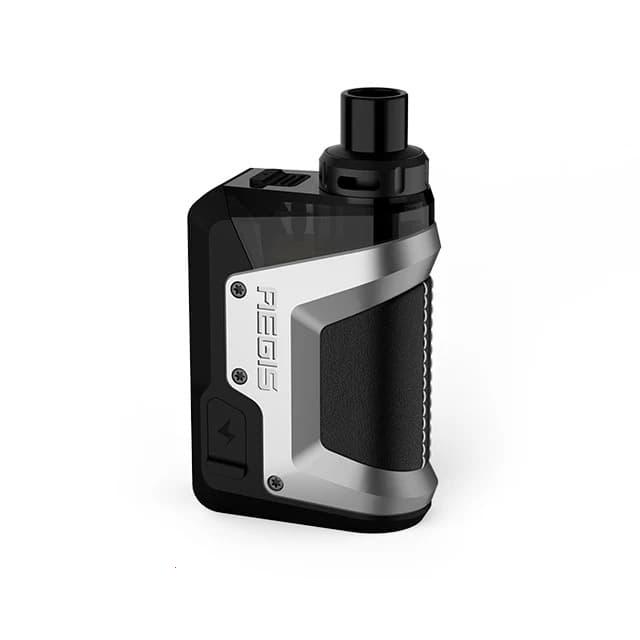 Vape Vape guide – how do e cigarettes help you quit and practical tips for success” />
Unlike a fixed-dose nicotine patch, e-cigarettes allow users to tailor nicotine concentration, device power, and frequency of use. This flexibility can support a gradual tapering approach — reducing nicotine strength over weeks or months — which is one practical pathway in the answer to how do e cigarettes help you quit. Personalization also includes selecting flavors and device styles that feel satisfying and sustainable, increasing chances of long-term abstinence from combustible cigarettes.
What the evidence says — balanced summary
Systematic reviews and randomized trials show mixed results but an encouraging trend: some e-cigarette approaches can be more effective than nicotine patches or placebo for smoking cessation when combined with behavioral support. However, outcomes depend heavily on device type, nicotine content, user behavior, and support services. Public health agencies emphasize that adult smokers seeking to quit should use regulated products, follow evidence-based plans, and receive counseling when possible. This pragmatic view helps answer how do e cigarettes help you quit without overstating benefits or ignoring uncertainties.
Practical, step-by-step quitting strategy using vaping
- Assess your motivation and timeline
Decide why you want to quit and set a quit target. Whether immediate abstinence or a gradual reduction is right for you depends on medical history and personal preference. - Choose the right device and nicotine strength
Starter kits and pod systems often deliver nicotine in a way similar to cigarettes and may be better short-term for heavy smokers. Lower nicotine concentrations (e.g., 3–6 mg/mL) may suit light smokers; higher concentrations (e.g., 18–50 mg/mL in some nicotine salt products) can be appropriate for heavy smokers transitioning off cigarettes. - Create a taper plan
Plan gradual reductions in nicotine concentration and frequency of use. Many successful quitters reduce in steps over weeks to months, monitoring cravings and withdrawal symptoms. - Combine with behavioral support
Counseling, quitlines, and support groups increase success rates. Digital apps and habit-tracking also improve adherence to taper plans and help track triggers. - Watch for and manage side effects
Common early effects include throat irritation and coughing as the lungs clear. If you experience persistent symptoms, consult a healthcare provider. - Have a relapse plan
Temptation moments are normal. Plan alternatives (brief walk, water, phone a friend) and consider temporary return to a higher nicotine concentration for short-term stabilization rather than reverting to cigarettes.
Tips for maximizing success
- Set concrete short-term goals (7 days, 30 days) and celebrate milestones.
- Swap high-risk situations (drinking, social smoking) with new routines: step outside, chew gum, or use a quick breathing exercise.
- Track triggers: stress, coffee, social cues — and change the pairing behavior.
- Choose a reliable product from reputable manufacturers and buy from licensed retailers to avoid counterfeit or unsafe liquids.
- Be patient and flexible: many people require multiple attempts, and each attempt teaches something useful.
Common misconceptions and factual clarifications
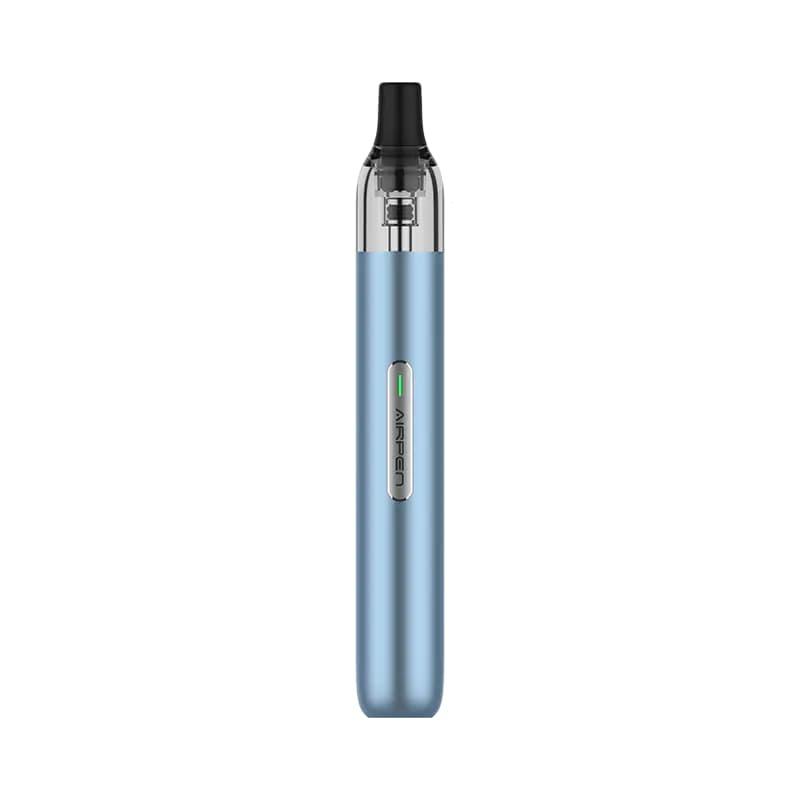
Myth: Vaping is as harmful as smoking. Fact: While not risk-free, vaping usually exposes users to fewer toxicants than tobacco smoke. The extent of harm reduction varies by device and use pattern.
Myth: Using e-cigarettes means lifelong nicotine addiction. Fact: Many users successfully taper off nicotine entirely after using e-cigarettes as a transitional tool; others may continue lower-risk vaping. The public health goal prioritizes reduced disease and death from combustible tobacco.
Safety, youth prevention, and regulations
Regulation matters. Policies that restrict youth access, enforce product standards, and require accurate labeling protect public health while preserving access for adult smokers who might benefit. If your goal is cessation, follow local guidance, avoid unregulated products, and keep devices out of reach of children and teens. Responsible adult use is the primary context in which vaping can be part of a conservative quit strategy and inform answers to how do e cigarettes help you quit without creating new problems.
When to seek professional help
Talk to a healthcare professional before starting any new cessation method if you are pregnant, breastfeeding, have cardiovascular disease, or are taking medications affected by nicotine. Clinicians can tailor recommendations, prescribe additional pharmacotherapy when needed, and refer to counseling services that increase the odds of success.
Measuring progress and staying on track
Track days smoke-free, reductions in cigarettes per day, and improvements in symptoms like coughing, breathing, and energy. Record carbon monoxide (CO) readings if you have access to a CO monitor — these provide objective feedback and strong encouragement when levels fall. Consistent tracking answers the personal question of how do e cigarettes help you quit by showing measurable improvements over time.
Troubleshooting common obstacles
Persistent cravings
Try a temporary increase in nicotine concentration or use structured behavioral coping strategies such as urge surfing, physical activity, or deep-breathing exercises.
Feeling unsatisfied
Switching device style, adjusting wattage, or trying different flavors can improve satisfaction; be mindful of local laws and product safety.
Relapse to cigarettes
If you lapse, do not interpret this as failure. Reassess triggers, consult support networks, and consider temporary higher-nicotine e-liquids or combining with another cessation aid under medical advice.
Real-world stories and lessons
Many ex-smokers describe a transition period where vaping became a stabilizing element while they rebuilt routines and coping skills. The pattern is common: initial substitution, reduction in cigarettes, then progressive lowering of nicotine or complete cessation. Collectively, these accounts offer practical insights into how do e cigarettes help you quit in real daily life — not just in clinical terms.
Choosing product types: pros and cons
Devices range from disposable e-cigarettes to refillable pod systems and advanced mods. Simpler pod systems often excel at replicating the nicotine delivery pattern of cigarettes and are easier to use for beginners, while refillable devices permit more customization. Disposables may be convenient but can be costly over time and less environmentally friendly. In the context of Vape as a quitting tool, choose reliability and consistency over novelty.
Final perspective: realistic expectations
No single approach guarantees success. For many adult smokers, an evidence-based plan that includes nicotine replacement, behavioral support, and, in some cases, e-cigarettes as a transitional tool can significantly increase the odds of quitting combustible tobacco. If your question is specifically how do e cigarettes help you quit, the short answer is: they can reduce exposure to harmful smoke constituents, provide nicotine relief and behavioral continuity, and enable a customizable taper that suits many smokers. The longer answer requires personalized planning, support, and attention to safety and regulations.
Key takeaways
- Vape products may help some adult smokers quit by substituting nicotine and preserving behavioral routines.
- Combining vaping with counseling and a taper plan improves outcomes.
- Choose regulated products, track progress, and seek medical advice when needed.
- Preventing youth uptake and ensuring product safety are vital public-health priorities.
Additional resources
Seek local quitlines, national cessation programs, and medical professionals who understand both pharmacological and behavioral strategies. Apps and community groups can provide real-time support and accountability during the quit process.
FAQ
- Q: Can switching to vaping guarantee I will stop smoking completely?
- A: No single method guarantees success. Vaping can increase chances for some people when used as part of a structured plan and combined with support, but individual results vary.
- Q: How long should I vape before trying to stop nicotine entirely?
- A: Timelines vary. Some users taper over weeks, others over months. The right schedule depends on dependence level and comfort. Set realistic milestones and consult a clinician for personalized guidance.
- Q: Is vaping safe long-term?
- A: Vaping is less risky than continuing to smoke combustible cigarettes for most adult smokers, but long-term risks are not zero and research is ongoing. The priority is quitting combustible tobacco, and long-term nicotine-free status is an appropriate ultimate goal for many.
If you are trying to decide whether to include Vape in your quit plan, weigh your personal history, consult professionals, and use reputable products. Remember that understanding how do e cigarettes help you quit is only one part of the journey — planning, perseverance, and support are equally important.