Traveling with a modern inhalation device: clear guidance on Vape use and transport
Travelers who enjoy vaping or rely on electronic nicotine delivery devices increasingly ask practical questions about flying, airport security, and what to pack to avoid stress. This comprehensive guide explains how to carry your kit, how to reduce the chance of delays, and why the phrase e cigarettes are allowed in flight needs careful context. Whether you’re a casual vaper or someone preparing for a long business trip, these insights will help you travel smarter and with confidence.
Quick overview: What most airlines and regulators allow
Across many jurisdictions, rules commonly permit you to bring a device such as a Vape onboard as carry-on luggage but prohibit its use during the flight. When people say that e cigarettes are allowed in flight, they usually mean that you are permitted to bring them onto the aircraft in your cabin baggage, not that you can vape mid-air. The crucial distinction between carriage and use is something every traveler should understand.
Core principles to remember
- Carry-on only: Most airlines and aviation authorities require that electronic nicotine devices be carried in the cabin, not checked in the hold, because batteries can present a fire risk.
- Use prohibited: Using a Vape during taxi, takeoff, landing, or while airborne is generally forbidden by airlines for safety and comfort reasons.
- Batteries and spares: Spare lithium batteries should be in carry-on luggage and protected against short circuits.
- Liquid limits: E-liquid containers are often subject to the same liquid restrictions as other aerosols and gels when passing through security.
Before you pack: airline and regulatory checks
Travel rules evolve and vary widely between countries and carriers. Prior to departure, verify the specific policy of your airline and check the civil aviation authority of the departure and arrival countries. Even if a headline suggests that e cigarettes are allowed in flight, the exact terms (carry-on, storage, allowed battery types) differ. A quick call to your airline or a look at their official page will prevent surprises.
Smart packing checklist for stress-free flying
- Device: Carry your primary Vape in a protective case to avoid accidental activation and damage.
- Spare batteries: Stow spare batteries in a dedicated battery pouch or original packaging, with terminal covers or tape to prevent shorting.
- Chargers and cables: Bring only what you need. Consider a portable power bank that complies with airline rules for watt-hours.
- E-liquids: Follow the liquid rule (often 100 ml / 3.4 oz containers within a single resealable bag) when passing through security; larger volumes may need to be shipped or obtained at your destination.
- Accessories: Carry a small toolkit for coils or pods, a microfiber cloth, and spare mouthpieces sealed in clear bags.
- Medical documentation: If using nicotine replacement for health reasons, carry any prescriptions or documentation that might help during inspections.
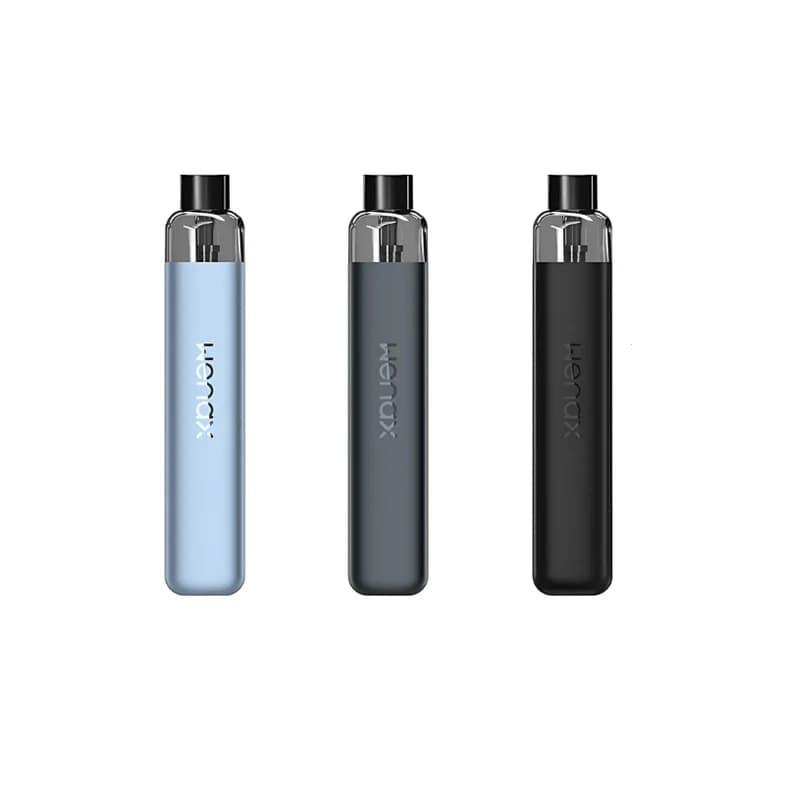 Vape packing tips for stress free flying” />
How to prepare your Vape for security screening
Security officers inspect electronic devices closely. Remove the device from carry-on when requested, keep e-liquid bottles ready for screening, and consider labeling boxes or cases to speed inspection. If an officer asks whether e cigarettes are allowed in flight on their paperwork, be clear that you are carrying them in accordance with the airline’s carry-on rules.
Battery safety: a top priority
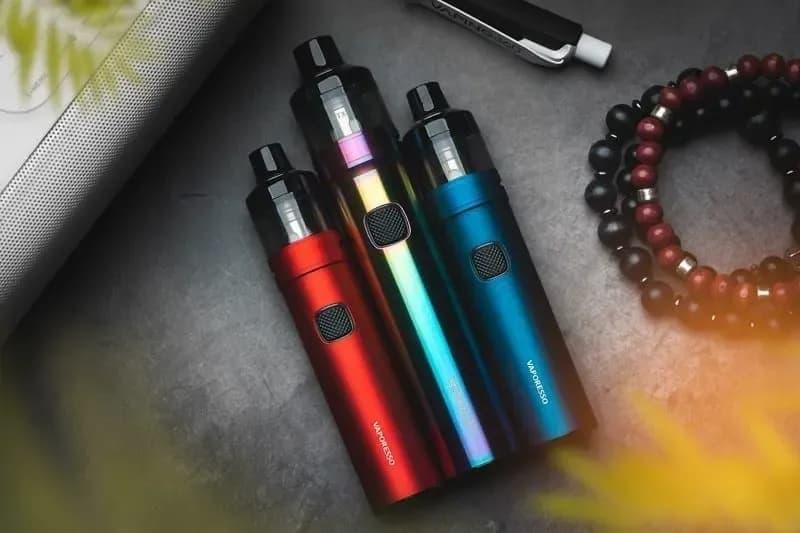
Improperly stored batteries are a major cause of concern. Use insulated covers, keep spare batteries separate from metal objects, and avoid checking any battery-powered Vape device in the baggage hold. Many incident reports and advisories reinforce this requirement.
International travel nuances
When crossing borders, customs and import regulations vary. Some countries classify nicotine salts and certain e-liquids as controlled substances or restrict their import. Before traveling, research destination rules: in some places, simply carrying your Vape and liquids can trigger fines or confiscation. Conversely, a growing number of jurisdictions explicitly state that e cigarettes are allowed in flight in carry-on with restrictions, so local legal reading matters.
Practical in-air and airport etiquette
Respect fellow passengers and crew: vaping in lounges, gate areas, or onboard is usually forbidden. If you need a nicotine fix, use nicotine gum or patches, or step outside to a designated smoking or vaping area where available. Inform cabin crew discreetly if you have medical reasons for carrying supplies; they can advise and may permit certain exceptions but generally will not allow device use during the flight.
Packing strategies to prevent leaks and damage
Temperature changes and turbulence can cause leakage. To minimize mess and odor:
- Store tanks vertically and keep them tightly sealed.
- Use silicone travel caps or leak-proof pod cases.
- Place liquids in sealed plastic bags to contain any accidental spills.
- Carry spare empty tanks or sealed pods to replace problematic equipment mid-journey.
Troubleshooting common travel scenarios
If security confiscates an item, request a written receipt and the specific regulation cited. If your airline denies carriage, politely ask for the formal policy reference and explore alternatives—shipping your gear ahead or sourcing supplies at the destination. Lost or damaged devices should be reported immediately to the airline’s lost-and-found and documented with photos.
Tips to avoid delays at security
Organize your carry-on so the Vape, spare batteries, and e-liquids are easy to access. Place batteries in a separate pocket or pouch. Present your items calmly and be ready to remove the device for inspection. Clear labeling and using transparent bags for liquids can shave minutes off the process and reduce the chance of secondary checks.
Charging and power banks on flights
Some airlines allow charging in seat power outlets, but policies vary. Power banks with specified watt-hour ratings are allowed in carry-on within limits. Check watt-hour rules for your battery packs and label them if necessary. Avoid checking power banks or batteries in hold luggage.
Legal and health considerations
Even when e cigarettes are allowed in flight as carry-on, health policies—no-smoking laws and indoor public health rules—mean usage is typically prohibited in airports and on aircraft. Be mindful of local laws on nicotine possession and age limits, and keep documentation for nicotine-based medical products if you carry them.
Environmental and social responsibility
Dispose of single-use cartridges and batteries responsibly. Some airports provide e-waste or battery recycling points; if not, secure used components to pack them home for proper disposal. Respect signage and staff instructions for designated waste and smoking/vaping zones.
Checklist summary before you leave home
- Confirm airline policy on carrying and charging devices.
- Pack Vape device and spares in protective cases.
- Ensure all e-liquid bottles comply with liquid limits or are pre-shipped.
- Isolate batteries and protect terminals.
- Have documentation for medical nicotine or prescriptions if applicable.
- Know the local laws at your destination regarding possession and use.
Examples of statements you might see
Airlines commonly include language such as: “Portable electronic smoking devices are permitted in carry-on baggage only. Use is prohibited onboard.” That wording corresponds to the idea many travelers hear shorthand as e cigarettes are allowed in flight, but it omits the important ‘carry-on only’ and ‘no use’ qualifiers. Read the full policy before packing.
Expert packing hacks and product recommendations
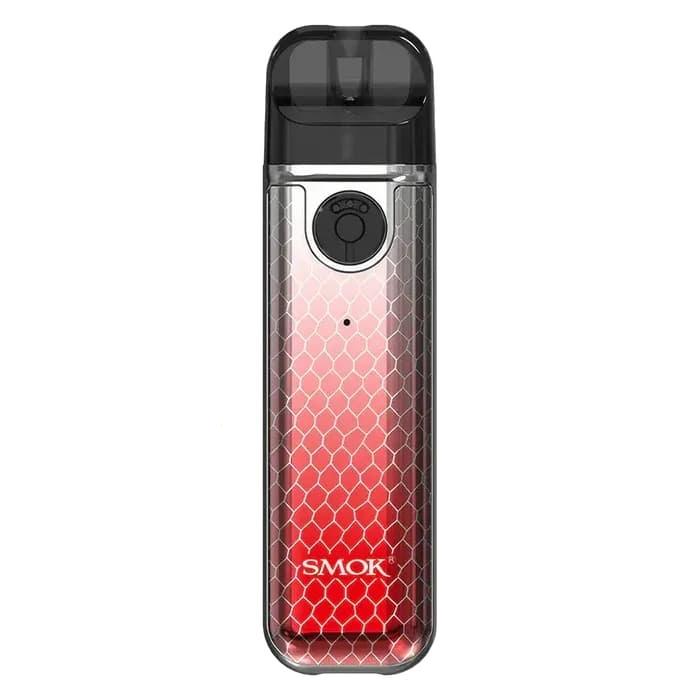
Choose a small, rigid case with foam inserts to keep devices and bottles separated. Label spares and use zip bags to organize resistors, coils, and mouthpieces. Consider compact, leak-proof bottle designs for e-liquid, and carry a tiny roll of gasket or PTFE tape to seal any seals that loosen during pressure changes or handling.
When you land: customs and return flight reminders
Keep receipts and documentation accessible in case customs officers inquire about the contents of your carry-on. When returning, remember that rules at your destination airport may differ, so re-check policies before heading back to the airport. Maintain the same cautious protocols for batteries and liquids to maintain regulatory compliance.
Final thoughts and travel mindset
Traveling with a Vape or related gear is manageable with planning and respect for rules. The shorthand that e cigarettes are allowed in flight can mislead if taken without context; the safest approach is to treat devices as delicate, potentially hazardous items that require careful storage, documentation, and clear adherence to airline rules. With the right checklists, protective accessories, and awareness, you can enjoy stress-free trips while keeping yourself and others safe.
Further reading and resources
Refer to official airline pages, the Transportation Security Administration (TSA) guidance for carry-on electronics, the civil aviation authority in your country, and reputable vaping advocacy groups for up-to-date details. Bookmark relevant pages and save screenshots of airline policies before you fly.
Packing quick-reference (printable) summary
Travel tip: Keep a compact kit with essentials and a spare sealed pod for delays.
FAQ
Q: Can I check a vape in my checked luggage?
A: Generally no. Airlines and many aviation authorities advise against placing Vape devices or spare lithium batteries in checked baggage due to fire risk; carry them in the cabin instead.
Q: Are e-liquids treated like other liquids at security checkpoints?
A: Yes. E-liquids are usually subject to the same 100 ml / 3.4 oz limits for hand luggage imposed by many security agencies. Larger quantities may be restricted and could require prior approval or shipping.
Q: Is it okay to charge my vape device on a plane?
A: Charging policies depend on the airline and the aircraft. If there is a USB port or outlet, you may be allowed to charge devices if the airline permits, but always follow crew instructions and never obstruct aisles or emergency procedures.
If you’re preparing for a trip, use this article as a practical blueprint to avoid confusion and delays: pack smart, protect batteries, check policies, and remember that the shorthand statement that e cigarettes are allowed in flight almost always refers to carriage in the cabin rather than permission to vape while airborne. Safe travels and plan ahead to make your journey as calm and predictable as possible.