Exploring Vape Pens: Technology, Usage, and Findings from Electronic Cigarette Research
The Mechanics and Versatility of Vape Pens
At the core of every Vape Pen is a simple yet sophisticated mechanism: a battery, an atomizer, a tank or cartridge, and a mouthpiece. These devices differ from bulkier mods and pod systems by offering a sleek, pen-shaped experience ideal for on-the-go vaping. The battery powers the atomizer, which heats up the e-liquid, turning it into a vapor that users inhale. Modern Vape Pens feature adjustable wattage, temperature controls, and refillable tanks, enhancing user customization.
- Discreet form factor suitable for travel
- Wide range of flavors and nicotine strengths
- Rechargeable and, in many cases, refillable
- Increasing use of advanced materials for durability
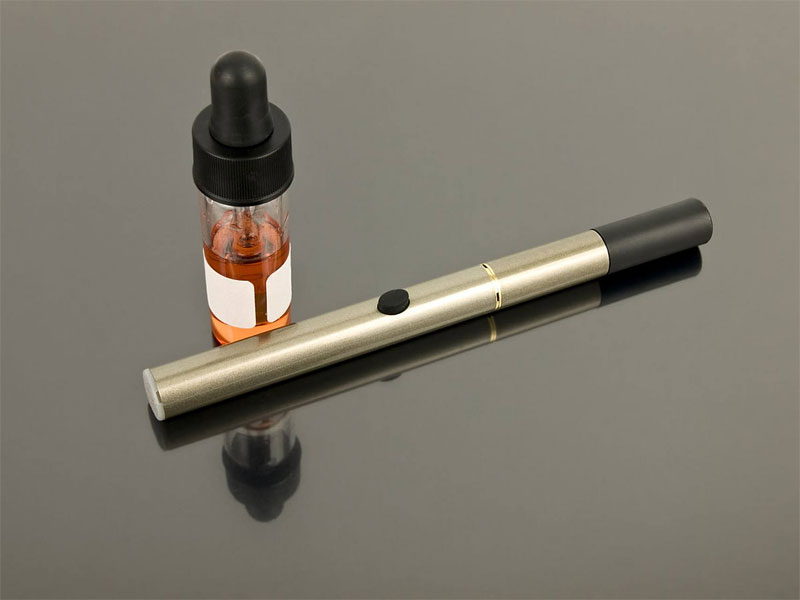
These advancements have contributed to the efficiency and convenience of Vape Pens, making them a preferred choice for millions globally.
Insights from Recent Electronic Cigarette Research
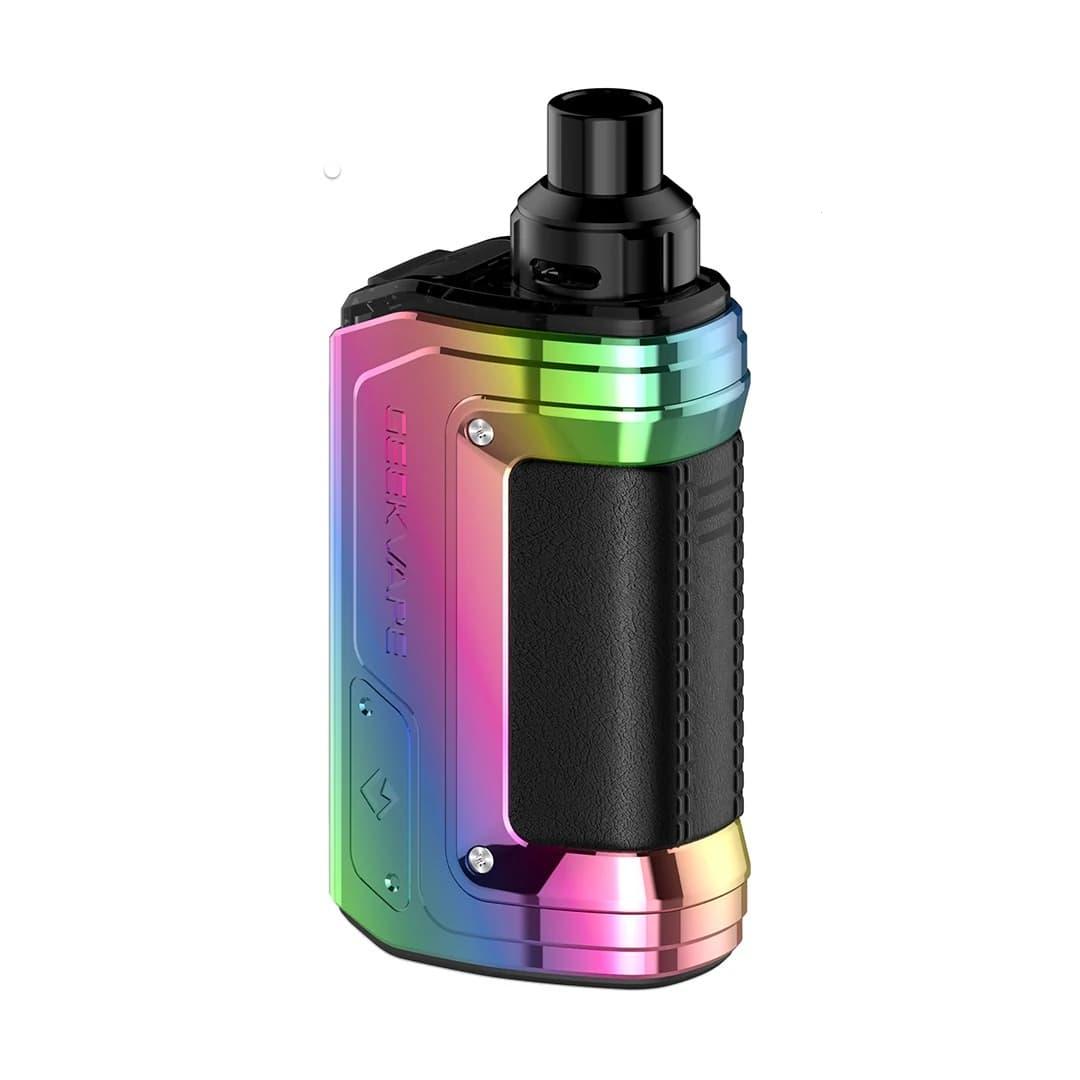
The surge in electronic cigarette research over the past years is largely driven by public health concerns and increasing regulations worldwide. Investigators have focused on the effects of vaping versus traditional smoking, the reliability of nicotine delivery, and potential long-term risks.
Nicotine Delivery and Absorption
Studies suggest that Vape Pens can deliver nicotine in a manner similar to traditional cigarettes but with fewer toxic byproducts. Unlike combusted tobacco, the vapor from electronic cigarettes contains significantly reduced levels of tar and carbon monoxide. Research also indicates that Vape Pens can help users precisely control their nicotine intake, minimizing overconsumption risks.
Chemical Composition and Safety Considerations
One of the key aspects under scrutiny in recent electronic cigarette research is the chemical composition of the vapor produced by Vape Pens. While propylene glycol and vegetable glycerin form the base of most e-liquids, the addition of flavorings and other compounds requires careful assessment. Recent analytical studies have highlighted that while the vapor contains fewer carcinogens than cigarette smoke, trace levels of potentially harmful substances—such as formaldehyde and heavy metals—may still be present.
Manufacturers now emphasize quality control, safe ingredients, and robust testing to meet regulatory standards. Yet, ongoing research calls for the periodic evaluation of new flavors and device materials to ensure public safety.
Public Health Impact and Cessation Potential
Electronic cigarette research has also revealed promising findings regarding the use of Vape Pens as cessation tools. Randomized controlled trials and meta-analyses have found that vaping devices, when combined with behavioral support, can significantly improve the likelihood of quitting smoking compared to nicotine replacement therapies alone. Vapers report fewer withdrawal symptoms and higher satisfaction, attributing their success partly to the sensory and ritual elements associated with Vape Pens .
.
Youth Usage and Regulation
As Vape Pens have become increasingly accessible, the rise in youth vaping has attracted considerable attention in the literature. Regulatory agencies are implementing measures to prevent underage use, including age restrictions, marketing bans, and flavor limitations. Electronic cigarette research underscores the importance of ongoing education, responsible advertising, and parental awareness to mitigate risks and potential health consequences for adolescents.
Comparative Health Risks: Vaping vs. Smoking
Research continues to compare the health impacts of vaping versus smoking conventional cigarettes. Most studies confirm that switching to Vape Pens results in far lower exposure to toxic compounds. Nonetheless, vaping is not entirely without risks: respiratory irritation, nicotine dependence, and uncertain long-term effects remain areas of concern. Electronic cigarette research advocates for careful monitoring of users, especially those with pre-existing health conditions, and urges ongoing post-marketing surveillance.
Innovations in Vape Pen Technology
The latest generation of Vape Pens incorporates smart technology, such as Bluetooth connectivity, puff-tracking apps, and temperature monitoring. These features promote safer usage habits and facilitate precision in nicotine administration. Moreover, developments in battery safety and leak-proof cartridge designs have addressed common issues cited in earlier electronic cigarette research, helping to minimize accidental exposure to e-liquid.
Some research-backed innovations include:
- Antimicrobial materials reducing contamination risks
- Improved battery circuits guarding against overheating
- Child-resistant locks and packaging
- Automatic shut-off mechanisms for added safety
Customizing the Vaping Experience with Vape Pens
User preferences for Vape Pens can vary widely, and the ability to customize the device is a major advantage. From airflow control to choosing nicotine salts versus freebase nicotine, the adaptability of these devices is being actively researched. Electronic cigarette research now investigates how device settings influence nicotine absorption, throat hit, and flavor profile, acknowledging that user satisfaction can play a critical role in reducing harm and promoting cessation.
Flavor Trends and Consumer Choice
Market trends driven by consumer demand for diverse flavors remain a constant in the evolution of Vape Pens. Popular flavor categories include fruits, desserts, menthols, and even beverage-inspired blends. While flavorings enhance appeal, researchers caution that the inhalation safety of specific compounds should be assessed continually. The impact of flavor bans and restrictions is another hot topic in electronic cigarette research, with competing arguments about youth prevention versus adult consumer choice.
Summary: Synthesizing the Latest Data
Modern Vape Pens reflect both innovative engineering and data-driven health considerations gleaned from ongoing electronic cigarette research. While vaping presents markedly fewer risks than smoking, the industry continues to evolve in response to new scientific findings and regulatory pressures. Responsible usage, staying informed about new studies, and following local regulations can help users enjoy vaping with minimal risk.
References and Further Reading
- Centers for Disease Control and Prevention: Vaping and E-Cigarettes
- National Institutes of Health: Electronic Cigarette Research in Smoking Cessation
- Pulmonary Medicine Journal: Health Impact Studies of Vape Pens
- American Lung Association Statement on Electronic Cigarettes
FAQ
- Are Vape Pens safer than traditional cigarettes?
- Research indicates that Vape Pens expose users to fewer carcinogens and toxins compared to traditional cigarettes. However, they are not without risks, particularly with respect to nicotine dependence and unknown long-term effects.
- Can Vape Pens help me quit smoking?
- Many studies support Vape Pens as effective cessation tools, particularly when combined with behavioral support. However, success rates may vary and it’s best to consult a healthcare professional for personalized guidance.
- What chemicals are found in Vape Pen vapor?
- Most Vape Pens use e-liquids containing propylene glycol, vegetable glycerin, nicotine, and flavorings. Trace chemicals such as formaldehyde and metals have been detected, but levels are generally much lower than in cigarette smoke.