Electronic cigarettes, commonly known as e-cigarettes, are devices designed to deliver nicotine or other substances in vapor form rather than traditional smoke. This innovative technology has generated considerable interest and debate, especially among adults looking for alternatives to conventional smoking. But what are electronic cigarettes
 , and how do they work?
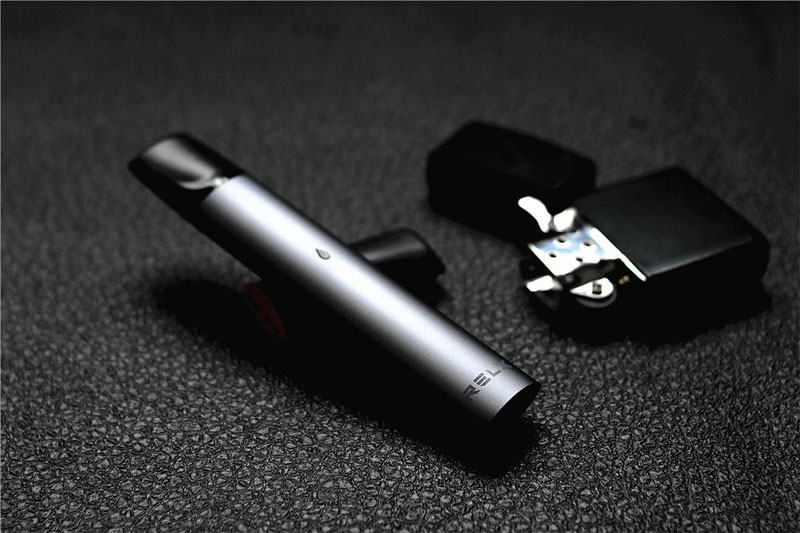
A Brief Introduction to Electronic Cigarettes
E-cigarettes started emerging in the early 2000s as smoking cessation tools. The fundamental structure includes a battery, a heating element, and a reservoir holding liquid. When activated, the device heats the liquid, producing vapor inhaled by the user. This process mimics smoking but is designed to be less harmful, as it usually does not contain the same level of harmful chemicals present in traditional tobacco cigarettes.
Components of E-cigarettes
- Battery: Providing power to the device, batteries come in various shapes and capacities, influencing both longevity and user experience.
- Atomizer: The heating element responsible for vaporizing the liquid. Atomizers can come as replaceable coils, which are part of maintaining the device.
- E-liquid: Often contains nicotine, propylene glycol, glycerin, and flavorings, providing the wide array of flavors that e-cigarettes are known for.
Different types of electronic cigarettes have surfaced, ranging from the typical cig-a-like models, closely resembling traditional cigarettes, to more advanced systems like box mods and vape pens. Each type offers varying degrees of battery life, liquid capacity, and vapor production.
How Safe Are Electronic Cigarettes?
While e-cigarettes are generally considered a safer alternative to smoking, it’s critical to understand potential risks. Many experts agree they are less harmful since they do not contain the combustion products that cause most smoking-related diseases. However, the presence of nicotine, a highly addictive substance, still poses health risks. Research is ongoing regarding the long-term effects of e-cigarette usage, as issues such as lung health and the impact of various flavoring chemicals are still not fully understood.
Regulations and Public Perception
Regulations concerning electronic cigarettes vary significantly worldwide, impacting their availability and public perception. In some regions, e-cigarettes are viewed as beneficial tools for reducing smoking rates, while others express concern over their appeal to younger audiences. Educational campaigns and stricter regulations continue to shape the market.
Benefits and Drawbacks
The potential benefits of e-cigarettes primarily lie in harm reduction. Smokers seeking to quit have found transitioning to vaping as part of a broader cessation strategy useful. Nonetheless, drawbacks exist, such as the risk of starting vaping among non-smokers, leading to nicotine addiction.
FAQs and Further Exploration
Are e-cigarettes effective as a smoking cessation tool?
While some users have successfully used e-cigarettes to quit smoking, results vary. Combining vaping with counseling and other cessation aids tends to yield better outcomes.
What is the impact of flavored e-liquids?
Flavored e-liquids are popular but controversial, with concerns about their appeal to youth. Many regions have imposed restrictions on such flavors to mitigate underage vaping.
Can e-cigarettes be used indoors?
Rules for indoor vaping depend on local laws. Some public places ban e-cigarettes, aligning their regulations closely with those for traditional smoking.
Electronic cigarettes offer an innovative approach to nicotine consumption, drawing both support and scrutiny. Continued research and evolving regulations will shape their future role within society, particularly as smoking cessation devices.