Curated Picks for the Best Portable Vapes and Evolving Research on Health Outcomes
In this extensive guide we combine product selection logic with a nuanced review of recently published studies about the short- and long-term electronic cigarette consequences and practical advice for shoppers seeking the most reliable beste E-Zigarette options. Whether you are switching from combustible tobacco or researching harm reduction strategies, this page is structured to help you weigh device performance, safety features, and the emerging science on health effects.
How to evaluate a modern device: design, battery life, and safety
When choosing a top-rated model, practical characteristics matter: battery capacity (mAh), coil resistance range (ohms), refill convenience, material quality (stainless steel, PCTG, glass), and built-in protections (overheat, short-circuit, over-discharge). A device that ranks among the beste E-Zigarette candidates will typically balance user control with safety cutoffs and clear maintenance guidance. Search engines favor pages that match intent, so below we list buyer-focused criteria with actionable takeaways that both help consumers decide and align with SEO best practices.
Key factors to prioritize
- Safety features: automatic cut-off, low-resistance protection, and battery venting design.
- Materials and construction: glass tanks or high-quality plastics reduce flavor contamination and plastic leaching.
- Ease of refill and cleaning: top-fill systems and modular units extend device lifespan.
- Consistent output: regulated devices maintain stable wattage/voltage to avoid burning coils and producing harmful byproducts.
- Warranty and support: reliable manufacturers provide parts and social proof via reviews.
Top categories and model attributes that matter for shoppers
Rather than listing a static top-10 (which can go out of date quickly), a better approach is to outline categories you should consider when hunting for the beste E-Zigarette or a device optimized for nicotine salts, sub-ohm use, or MTL (mouth-to-lung) experience. Searchers often use terms like electronic cigarette consequences when researching health implications, so we also integrate risk-mitigation tips alongside product attributes.
- Beginner-friendly pod systems: compact, low-maintenance, and ideal for nicotine salts. Pros: ease of use and lower e-liquid consumption. Cons: limited customization.
- Advanced refillable pod/mod hybrids: offer adjustable airflow and higher capacity; suitable for intermediate vapers.
- Sub-ohm kits for flavor/cloud: require more battery power and coil upkeep; not recommended for new users who are concerned about electronic cigarette consequences.
- Disposable alternatives: convenient but generate waste and may vary widely in quality.
Performance benchmarking checklist
Every candidate for the title beste E-Zigarette should be measured against a simple testing protocol: draw experience (MTL vs DTL), consistency of nicotine delivery, leak resistance, and thermal stability. Independent labs and community reviewers often publish coil and e-liquid breakdowns that can reveal how certain setups may increase formation of undesirable compounds at high temperature.
What recent studies tell us about electronic cigarette consequences
Research into electronic cigarette consequences has expanded rapidly, covering respiratory effects, cardiovascular markers, toxicology of aerosol constituents, and behavioral outcomes such as dual use with combustible cigarettes. Below is a synthesis of key findings and how they relate to everyday choices for device users and people considering switching.
Respiratory implications
Multiple cohort and controlled exposure studies indicate short-term changes in airway inflammation markers after vaping episodes, particularly with high-power devices and certain flavored e-liquids. The magnitude of acute changes tends to be smaller than that observed with cigarette smoking, but frequency of use and device temperature can modify exposure. For those prioritizing respiratory health, selecting devices that minimize overheating and avoiding aggressive inhalation styles can reduce some risks.
Cardiovascular markers
Acute elevation in heart rate and blood pressure has been observed after nicotine-containing aerosol exposure. Nicotine is a vasoconstrictor and may transiently increase sympathetic activity. For users with preexisting cardiovascular conditions, medical consultation is advisable. Public health interpretations typically state that while electronic cigarette consequences may be lower than those from conventional tobacco for certain endpoints, they are not risk-free.
Toxicology of aerosol constituents
Laboratory analyses identify carbonyls (formaldehyde, acetaldehyde), volatile organic compounds, and particle size distributions that influence deposition in the lung. Studies show elevated levels of some toxicants when devices are operated at very high power or with dry coils. Using temperature-regulated devices and reputable e-liquid can reduce—but not eliminate—formation of harmful compounds.
Behavioral and population-level effects
Population surveillance reveals complex patterns: many adults use e-cigarettes as cessation aids or harm-reduction alternatives; however, youth initiation remains a public health concern. Regulatory approaches and product standards are evolving to address youth access, flavor restrictions, and labeling transparency. Understanding these dynamics helps consumers make informed choices and supports public health policy alignment.
Practical risk-reduction strategies for users
Mitigating electronic cigarette consequences involves choices across device, e-liquid, and behavior. Below are evidence-informed steps that align with minimizing exposure:
- Choose regulated devices with temperature control or reliable power management.
- Avoid modifying coils or pushing wattage well above manufacturer recommendations.
- Prefer simpler flavor profiles; certain additives in complex flavor blends have incomplete inhalation safety data.
- Maintain device hygiene—regular cleaning and coil replacement lower the risk of degraded aerosol quality.
- Consult healthcare professionals if you have underlying respiratory or cardiac conditions before switching.
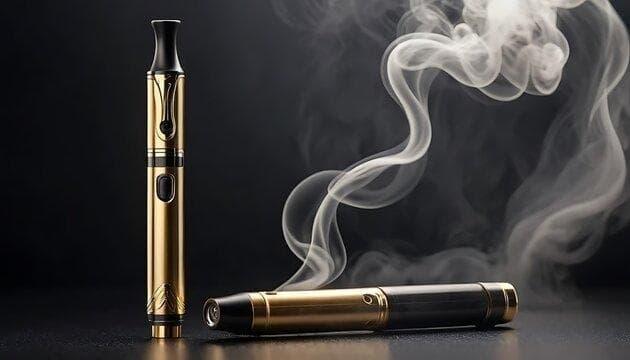
Trade-offs to consider
For smokers seeking to quit, transitioning to vaping can be part of a staged approach that reduces exposure to many combustion-related toxicants. But the trade-offs include ongoing nicotine dependence for some users, unknowns around lifetime exposure to inhaled flavoring chemicals, and behavioral patterns that may prolong use. Framing choices within a harm-reduction context helps users weigh these trade-offs responsibly.
Consumer checklist: what to look for in product descriptions
| Specification | Why it matters |
|---|---|
| Battery (mAh) | Determines runtime and charging frequency |
| Coil compatibility | Availability of certified coils reduces variability |
| Material | Glass/titanium/stainless parts reduce contamination risk |
| Refill system | Top-fill reduces spills and contamination |
How to interpret manufacturer claims
Marketing phrases like “medical-grade” or “lab-tested” are not standardized. Look for independent lab reports or third-party reviews that measure emissions and battery safety. Consumer protections such as CE or UL marks may indicate compliance with certain safety frameworks, but they are not universal guarantees about inhalation safety.
Maintenance routines that extend device life and reduce byproduct formation
Simple habits include: replacing coils regularly, using recommended wattage ranges, keeping e-liquid levels adequate to avoid dry hits, and storing devices and e-liquids at stable temperatures. These steps both improve user experience and help minimize formation of byproducts linked to poor operating conditions.
Environmental and disposal considerations
Disposables and single-use pods increase waste. Many localities offer battery recycling and e-waste programs. If your goal is lower environmental impact, prioritize refillable systems with replaceable coils and recyclable batteries, and follow local regulations for safe disposal.
How to read research and avoid misinformation
Not all studies are created equal. Key elements to check: sample size, control groups, device types used, nicotine concentration, and whether exposures match real-world use patterns. Meta-analyses and systematic reviews tend to offer more stable conclusions than single small studies. When in doubt, look for consensus reviews from reputable health organizations and be cautious about headline-driven claims that omit study limitations.
Regulatory trends and what to expect
Regulations vary by region, with trends toward product standards, limits on certain flavorings, youth access restrictions, and clearer labeling. These shifts affect availability and potentially the distribution of models regarded as the beste E-Zigarette in different markets. Consumers should follow local guidance and official notices to ensure compliance and safety.
 beste E-Zigarette Picks and What New Studies Reveal About electronic cigarette consequences” />
Future directions in product safety
Standardization efforts are underway to define acceptable emissions testing, battery cycling standards, and ingredient disclosure. The goal is to reduce variability between manufacturers and to create safer, more transparent markets. As standards mature, the gap in quality between reputable brands and low-cost imitators should narrow.
Practical buying roadmap
- Define your use case: cessation support, nicotine maintenance, flavor exploration, or cloud production.
- Shortlist devices by category (pod, mod, disposable) and verify safety certifications.
- Read independent lab reports and community reviews for real-world performance.
- Factor in total cost of ownership: device price plus coil and e-liquid replacement costs.
- Purchase from authorized retailers to ensure warranty and product authenticity.
Common pitfalls to avoid
- Buying extremely cheap, unbranded batteries or devices without certifications.
- Using DIY modifications that bypass built-in safety protections.
- Relying on anecdotal claims as proof of reduced harm without supporting evidence.
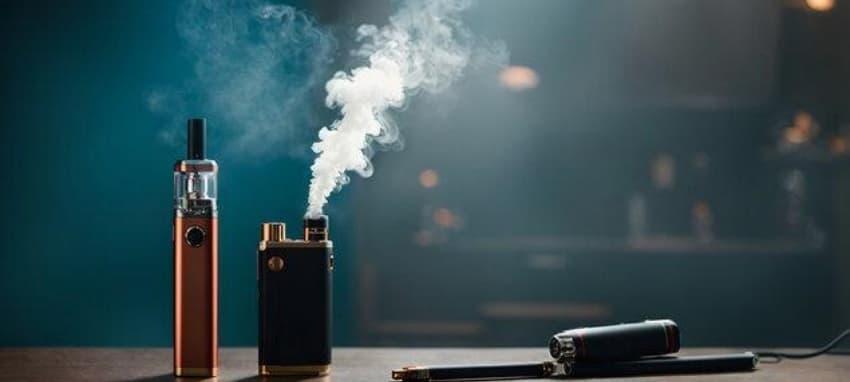
Summary: balancing product excellence with informed risk awareness
Top-performing models—often those that qualify in comparative reviews as a leading beste E-Zigarette—combine solid engineering, reliable power delivery, transparent labelling, and easy maintenance. At the same time, users should remain informed about electronic cigarette consequences which encompass respiratory, cardiovascular, and toxicological outcomes supported by growing but still incomplete evidence. Thoughtful device choice, conservative operating practices, and attention to evolving research help align personal goals with safer use patterns.
Additional expert tips
Medical professionals emphasize that complete cessation of nicotine yields the best health outcomes, but for current smokers unable to quit abruptly, switching to a regulated device while seeking cessation support may reduce exposure to combustion-related toxicants. Documented electronic cigarette consequences still caution against assuming harmlessness, particularly for youth and non-smokers.
Where to go for more trustworthy information
Consult national public health agencies, peer-reviewed journals, and independent testing labs. Avoid relying solely on manufacturer literature when evaluating long-term health questions about the inhalation of flavoring agents and the systemic effects of long-term nicotine intake.
FAQ
Is vaping totally safe compared to smoking?
No. While many studies suggest lower exposure to certain combustion products compared with cigarette smoke, vaping carries its own set of electronic cigarette consequences including respiratory and cardiovascular effects, and is not risk-free. Harm reduction is context-dependent.
How can I pick the safest option among top-rated devices?
Choose a model with robust safety features, temperature regulation, transparent materials, and positive independent testing. Regular maintenance and sensible use (avoiding extreme power settings) reduce the risk of producing harmful byproducts.
Are flavors linked to greater harm?
Certain flavoring chemicals have incomplete inhalation safety data. Minimizing highly complex or sweetened flavor mixes and preferring simpler formulations can be a conservative strategy. Manufacturers and regulators are still evaluating specific compounds implicated in adverse effects.
Final note: This page aims to inform and guide rather than replace medical advice. Consumers seeking to understand electronic cigarette consequences in depth should consult peer-reviewed literature and healthcare professionals to personalize decisions about tobacco harm reduction and nicotine dependence management.