In recent years, the regulation of e-cigarettes in Japan has become a topic of great interest, as the nation continues to navigate the balance between public health concerns and the interests of smokers seeking alternatives to traditional tobacco products. E-cigarettes, known for their lower levels of harmful chemicals compared to conventional cigarettes, have gained popularity worldwide, leading Japan to address their regulation in a manner that reflects its unique cultural and policy context.

Understanding Japanese E-Cigarette Laws
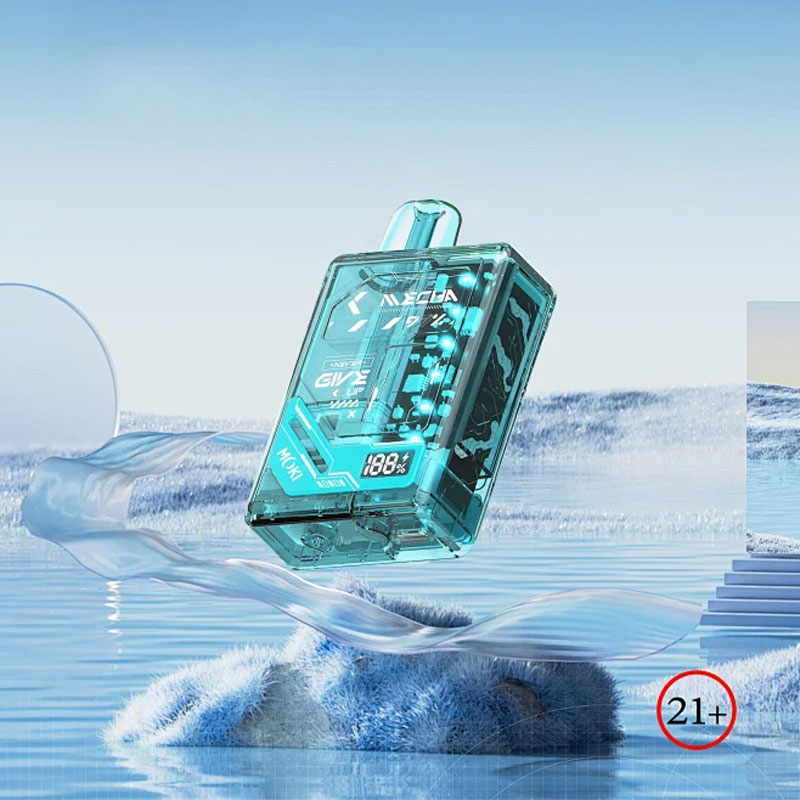
Japan classifies e-cigarettes as non-tobacco products because they do not contain nicotine, which categorizes them differently from tobacco products. While nicotine-infused e-cigarettes are common in many countries, Japan’s stringent laws limit their availability. Japanese law specifically prohibits the sale and importation of nicotine-containing e-liquids without proper authorization, making the import of personal use challenging. This regulation has led to a market where nicotine-free e-cigarettes are sold widely, catering to smokers seeking a similar experience to traditional smoking with reduced risk.
Comparative Perspective: Global vs. Japan
In contrast, numerous countries have varying degrees of regulation on e-cigarettes. The United States, for example, has seen debates over the safety and marketing of nicotine products, while some European nations encourage their use as smoking cessation tools. Japan’s cautious approach is rooted in a commitment to public health, reflecting concerns that arise from tobacco use and a desire to manage nicotine consumption carefully.
Another layer of regulation that impacts e-cigarette users in Japan is tax policy. Tobacco products, including e-cigarettes, are subject to taxation, which varies based on product classification and composition. The absence of nicotine shifts e-cigarettes into non-tobacco taxation categories, which affects price and consumer accessibility. Additionally, the regulation of advertisement plays a crucial role in shaping public perception. Promotions are strictly curated, ensuring that they do not glamorize smoking but present e-cigarettes as a conscious choice for adults.
Investment in Public Health Research
Recognizing the rise in e-cigarette usage, Japan has invested in research to investigate long-term health effects. These studies are pivotal in providing evidence-based policy and influencing regulation decisions. Japanese medical agencies undertake comprehensive analysis to better understand how e-cigarettes impact health beyond immediate consumption, crucial for adapting policies that align with scientific findings.
Consumer Education Efforts
The Japanese government places importance on consumer education, ensuring that users of e-cigarettes are aware of their products’ implications. Public health campaigns are designed to raise awareness about the differences between e-cigarettes and traditional cigarettes, potential risks, and benefits, promoting informed decision-making. Educational initiatives also focus on discouraging youth from adopting e-cigarettes casually.

Future Trends in Regulation
As technology evolves and the global landscape of e-cigarette usage shifts, Japan is poised to reassess its regulations continually. The nation may explore methods to facilitate the safe importation of nicotine e-liquids for personal use under controlled conditions. Furthermore, advancing research will likely influence future amendments to ensure regulations are responsive to scientific developments.
Japan’s regulatory framework exemplifies a nation navigating complex health issues while responding to technological advances. As e-cigarettes continue to develop and their health implications become clearer, Japan will need to adapt its policies to maintain balance in public health management, consumer choice, and industry interests.
FAQs
Can I bring nicotine e-liquids into Japan for personal use?
Currently, importing nicotine e-liquids into Japan for personal use is prohibited unless specifically authorized. Travelers should check with relevant authorities before attempting to bring such products.
Do e-cigarettes in Japan contain nicotine?
No, most e-cigarettes sold in Japan are nicotine-free due to existing regulations limiting their sale and importation without permission.
How does Japan view e-cigarettes in terms of public health?
Japan views e-cigarettes with caution, prioritizing public health concerns by imposing strict regulations on nicotine content and advertisement policies.