Comprehensive Guide to Choosing the Best Liquids and cigarette electric Devices for Flavor and Performance
This long-form guide helps both newcomers and experienced vapers navigate the complex world of e-liquids and modern cigarette electric hardware with clear, practical advice. We cover ingredient basics, flavor profiles, device categories, coil compatibility, and performance-focused tips to get the most satisfying inhale and efficient battery life. Whether you prioritize throat hit, cloud production, or pure taste fidelity, the sections below are organized to help you find the optimal match between Liquids and an appropriate electric cigarette setup.
Why matching Liquids to your cigarette electric device matters
Performance, flavor, and safety are influenced by how well a chosen e-liquid pairs with a particular electric cigarette. High-VG blends generally require sub-ohm tanks and robust coils for proper wicking, while high-PG liquids favor mouth-to-lung (MTL) devices and tighter airflow. Using mismatched combinations can result in burnt hits, muted flavor, or excessive leakage. Proper pairing ensures the Liquids deliver intended flavor notes and nicotine satisfaction while the cigarette electric hardware functions within designed parameters.
Core components of an e-liquid explained
- Propylene Glycol (PG): carries flavor and gives a stronger throat hit. Ideal for those seeking nicotine punch and precise flavor clarity.
- Vegetable Glycerin (VG): thicker, sweeter, and produces denser vapor clouds. Best for cloud chasers and sub-ohm setups.
- Nicotine: available in freebase and nic salt variants. Nic salts suit low-wattage cigarette electric devices with higher nicotine strengths for smoother delivery.
- Flavor Concentrates: natural and artificial flavors blended to produce a wide spectrum of profiles — fruits, desserts, tobaccos, menthols, and complex mixes.
Understanding nicotine types and device compatibility
Freebase nicotine is common in lower-strength, higher-wattage setups. Nicotine salts (nic salts) are chemically stable and allow higher nicotine concentrations at low wattage without harshness, making them ideal for compact, mouth-to-lung cigarette electric devices and pod systems. Choosing between nic salt and freebase depends on your consumption patterns and the device’s power range.
PG/VG ratios — what to choose?
High PG (50:50 or higher PG): better flavor, stronger throat hit, suitable for MTL pods and cigarette electric pen devices. High VG (70%+): smoother inhale, denser vapor, requires sub-ohm tanks and powerful coils. Balanced 50/50 blends provide versatility and are often recommended for users transitioning from traditional cigarettes to vaping.
Types of cigarette electric devices and their strengths
Pod systems
Compact, user-friendly, and often draw-activated. Best paired with nic salt Liquids or lower-strength freebase blends. Pods emphasize convenience and stealth vapor production.
Starter kits and vape pens
Traditional pen-style devices offer more battery capacity and adjustable airflow on some models. They work well with 50/50 Liquids and low-wattage sub-ohm coils.
Box mods and sub-ohm devices
Advanced devices providing variable wattage, temperature control, and large battery capacities. Designed for high-VG Liquids and coil builds that prioritize flavor and cloud volume. These are for experienced users seeking tailored performance.
Coils, wicking, and airflow — tuning taste and vapor
A coil’s resistance and the wicking material determine heat delivery and flavor extraction from the Liquids. Mesh coils heat evenly and excel at flavor reproduction, while standard wire coils are versatile and affordable. Airflow impacts vapor temperature: tighter airflow yields warmer, flavor-concentrated hits for MTL vapers; open airflow produces cooler, voluminous vapor common in cloud-chasing setups.
Flavor categories and how to approach sampling
- Fruits and citrus: fresh, acidic notes, often brighter on high-PG blends.
- Menthol and cooling: provides a crisp finish, pairs well with tobacco or fruit.
- Desserts and bakery: sweet, creamy, often richer on high-VG blends.
- Tobacco and classics: traditional tastes reconstructed for smokers transitioning to vaping; nicotine salts can mimic cigarette nicotine delivery more closely.
When sampling, start with single-flavor concentrates before trying layered blends. Use a clean coil and tank to avoid flavor contamination and allow a few mL of liquid to saturate the wick before drawing. Keep a tasting log to record which Liquids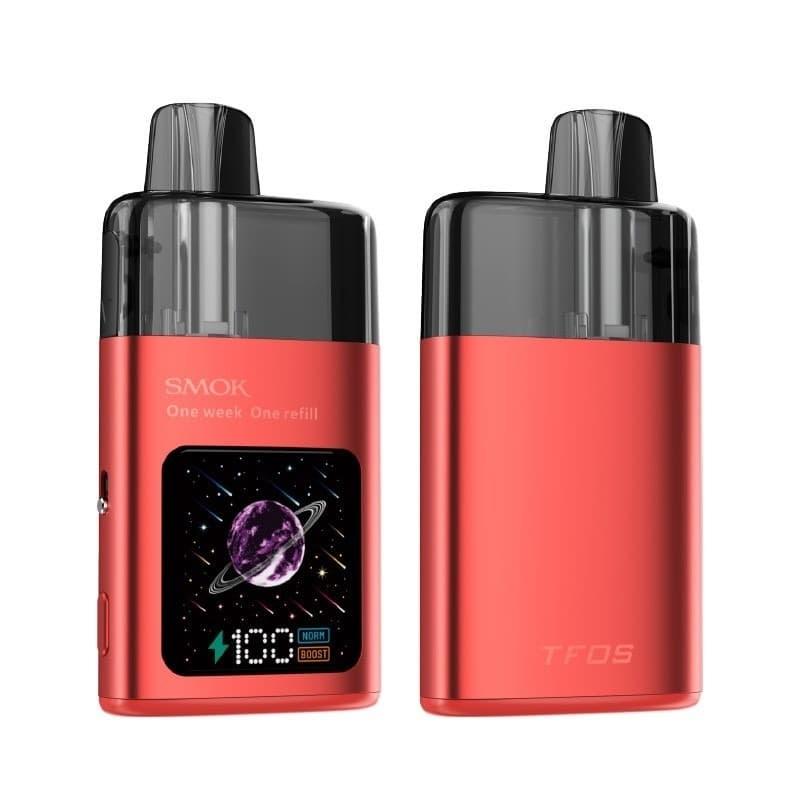 work best in your preferred cigarette electric configuration.
Practical buying guide: what to inspect before purchasing
- Ingredient transparency — reputable brands list PG/VG ratios, nicotine type, and flavor components.
- Coil resistance and recommended wattage — match to your device’s output to avoid dry hits or underperformance.
- Tank capacity and coil interchangeability — larger tanks mean fewer refills; replaceable coil systems reduce cost.
- Battery life and charging — check mAh ratings and charging protocols; fast charging is convenient but can impact battery lifespan over time.
- Maintenance needs — rebuildable atomizers require more hands-on care but yield top-tier flavor for enthusiasts.
Safety, storage, and regulatory considerations
Store Liquids in a cool, dark place away from children and pets. Nicotine is toxic at high doses; always follow concentration guidelines and use childproof packaging. Be aware of local regulations regarding flavors, nicotine strengths, and device restrictions. Buy from reputable vendors to ensure product testing and quality control.
Maintenance routine for consistent flavor and performance
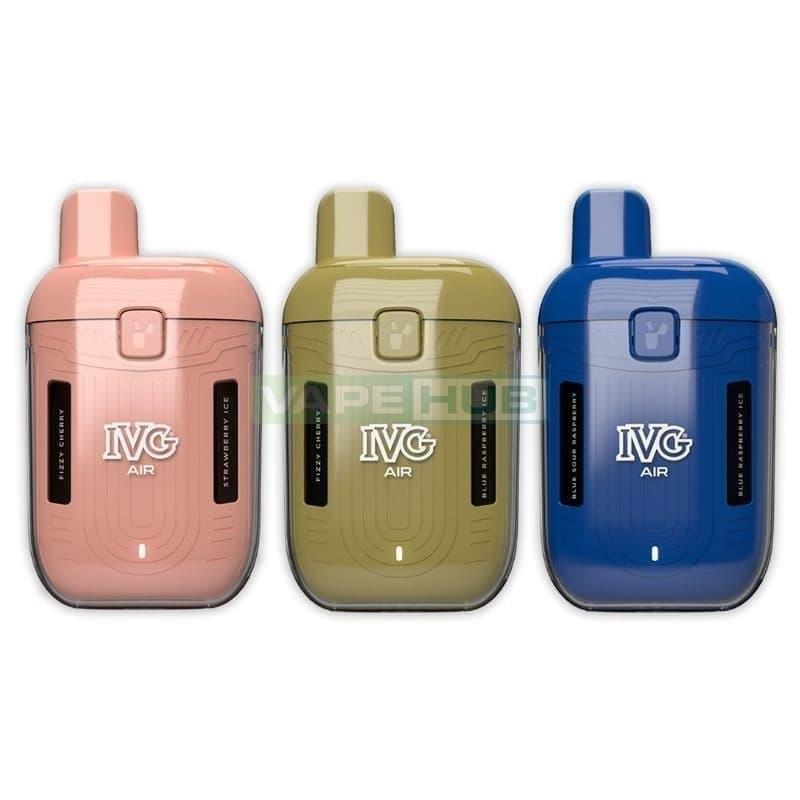
Clean tanks regularly, replace coils when flavor degrades or you experience dryness, and prime new coils thoroughly. Periodically check for battery and connector corrosion. A consistent maintenance schedule protects both the device and the integrity of the Liquids you use.
Review criteria we use for testing cigarette electric devices and Liquids
We evaluate hardware and e-liquid pairings using repeatable criteria: flavor fidelity, throat hit accuracy, vapor density, battery efficiency, leak resistance, coil longevity, and safety compliance. Tests include blind taste sessions for liquids and multi-day endurance tests for devices. Ratings are contextual — a high-performance sub-ohm setup may score differently on stealth and convenience compared to a pod system designed for nicotine salt Liquids.
Top-performing device types for different user goals
- Best for flavor-purity: mesh coil RTA or high-quality sub-ohm tank paired with a mid to high-VG Liquid.
- Best for nicotine satisfaction: compact pod system using nic salt Liquids at 20-50 mg (depending on preference).
- Best for cloud production: high-power box mod with low-resistance coils and 70%+ VG blends.
- Best for portability
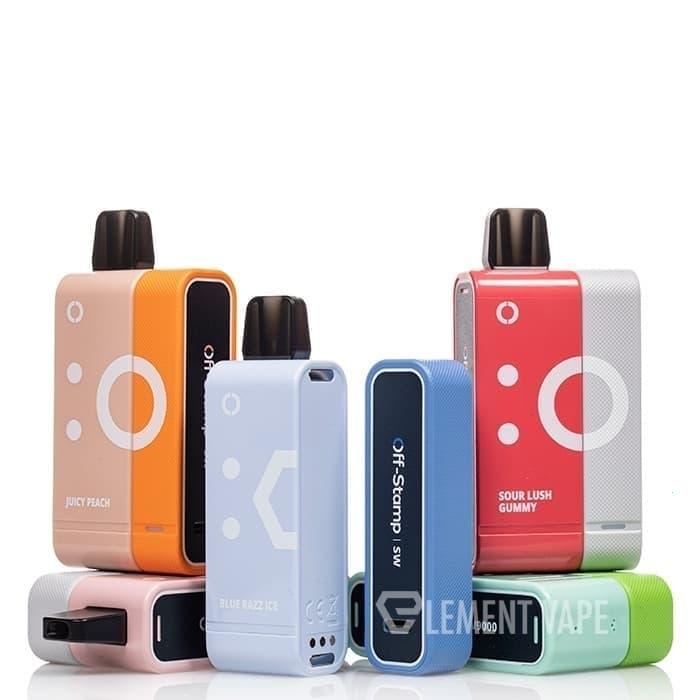 : draw-activated pod devices with refillable or replaceable pods.
Cost considerations and long-term value
Initial investment in a quality cigarette electric device can be offset by long-term savings on coils and e-liquid bottles. Rebuildable systems require technical skill but can lower costs per mL of vaporized liquid. Factor in replacement coils, e-liquid consumption rate, and battery lifespan when assessing total ownership cost.
Troubleshooting common issues
Muted flavor
Possible causes include gunked coils, excessive coil age, or incompatible PG/VG ratio. Try a coil change, prime the wick, and test a 50/50 liquid if you suspect VG overload.
Leaking
Often due to overfilling, worn seals, or incompatible coil/tank combinations. Inspect O-rings, ensure proper coil seating, and follow manufacturer fill recommendations.
Burnt taste
Usually a dry wick. Saturate coil properly, lower wattage, or switch to a higher-PG liquid for quicker wicking.
Pro tip:
Keeping spare coils for each device type reduces downtime and lets you compare flavor retention across brands and formulations.
Glossary of terms
- MTL (Mouth-to-Lung)
- A draw style resembling cigarette inhalation; favored with higher-PG Liquids and low-power cigarette electric devices.
- DTL (Direct-to-Lung)
- A direct inhale into lungs; common with sub-ohm setups and high-VG blends.
- Sub-ohm
- Coil resistance below 1.0 ohm enabling higher wattage and vapor production.
How we rate Liquids for flavor and performance
Ratings are based on initial taste, steeping potential, consistency across batches, and how well the liquid pairs with recommended device types. We rate both single-flavor and blended e-liquids, noting which devices maximize their strengths. Expect detailed scorecards in hands-on reviews that include coil type, wattage range, and comments on throat sensation.
Practical checklist for your next purchase
- Confirm PG/VG ratio and nic type match your device.
- Check coil compatibility and recommended wattage.
- Read lab testing or ingredient disclosures for safety.
- Look for warranty and return policies for the cigarette electric device.
- Start with sample sizes if available to avoid committing to large bottles of unfamiliar Liquids.
Final recommendations
For beginners, pair a simple pod system with a nic salt Liquid or a neutral 50/50 freebase to mimic cigarette nicotine delivery while maintaining straightforward maintenance. Intermediate users may prefer a pen-style kit with replaceable coils and a mix of 50/50 and 70VG blends. Advanced vapers should explore rebuildable atomizers, mesh coils, and experimental flavor mixing, always considering safety and proper wicking practices.
Closing notes on sustainability and disposal
Dispose of batteries at designated recycling centers and follow local regulations for e-liquid disposal. Refillable systems generally produce less waste than disposables, and selecting high-quality coils reduces waste from frequent replacements.
Recommended further reading
Explore consumer reviews, manufacturer manuals, and peer-reviewed analyses for in-depth chemistry and safety research related to inhalation toxicology and device engineering. Keep an eye on evolving regulations and industry standards for updated guidance on best practices.
We encourage you to test responsibly, prioritize safety, and choose reputable brands that publish transparent testing results. Matching the right Liquids to an optimized cigarette electric configuration will transform your experience by enhancing flavor, improving nicotine delivery, and extending device life.
FAQ
Is nicotine salt better than freebase for newcomers?
Nicotine salt is often a better option for those switching from cigarettes because it delivers higher nicotine levels smoothly at low wattage, making compact pod devices effective and satisfying.
How often should I change coils?
Coil lifespan depends on usage and e-liquid composition; average longevity ranges from 1 to 3 weeks. Signs to replace include muted flavor, reduced vapor, or visible gunk on the coil.
Can I mix PG/VG ratios safely?
Yes, mixing is common but ensure the final blend matches your device’s wicking ability; too much VG can overwhelm small MTL coils and cause dry hits.