Consumer-Friendly Guide to Disposable Devices and the Core Question: Are They Really the Same?
Introduction: What This Guide Will Help You Understand
This long-form buyer-focused article is designed to answer two overlapping but distinct questions that consumers often type into search engines: how to evaluate Jednorazowy e-papierosy devices and whether are vapes and e cigarettes the same in practical, everyday use. The goal is to give you straightforward, actionable information so that you can make a confident choice whether you’re buying a single-use device for convenience or considering a refillable system for cost and flexibility. Along the way you’ll find clear comparisons, safety notes, buying tips, and a simple checklist to keep in your phone when shopping both in-store and online.
In plain language: this guide treats Jednorazowy e-papierosy as the widespread category of disposable e-cigarettes and examines whether the common perception that are vapes and e cigarettes the same holds true from the point of view of design, use, health differences, and legal/market distinctions.
Quick Definition Summary
- Jednorazowy e-papierosy: A Polish term commonly used to describe disposable electronic cigarette devices—pre-filled with e-liquid, pre-charged, and designed for limited single-user use until the e-liquid or battery is exhausted.
- Vapes: A broad umbrella term that can include both disposable devices, pod systems, mods, and any device that creates vapor from an e-liquid or other substance.
- “E-cigarette” or “electronic cigarette”: Historically a term that described early cig-a-like devices but now overlaps heavily with the language “vape,” though nuances remain in hardware and marketing.
Why People Ask “are vapes and e cigarettes the same”
Searches like are vapes and e cigarettes the same reflect consumer confusion: marketing, slang, and rapid product evolution have blurred boundaries. This guide clarifies those differences and then dives into the specific subcategory: Jednorazowy e-papierosy—when they make sense and what to watch for.
Core Differences: Device Types, Components, and Use Patterns
Hardware: Disposable vs. Refillable
Disposable devices such as Jednorazowy e-papierosy come ready-to-use. They contain a battery, coil, wick, and pre-filled e-liquid. Once the liquid or battery is depleted, you dispose of the device. Refillable vapes (pod systems and mods) have replaceable coils and refillable tanks, enabling long-term use. This hardware distinction is where many answers to are vapes and e cigarettes the same begin and end: types overlap in function (producing vapor), but they differ in maintenance, lifespan, and user costs.
Nicotine Delivery: Strength and Satisfaction

Many disposables use nicotine salts, which deliver stronger perceived nicotine at lower throat hit, making them attractive for smokers transitioning away from cigarettes. Refillable devices may use freebase nicotine or salts. Consumers who search are vapes and e cigarettes the same often want to know if the nicotine effect differs; the answer is yes—formulation matters more than whether the device is called a “vape” or “e-cigarette.”
Cost and Convenience
Short-term convenience is the major selling point of Jednorazowy e-papierosy: you buy one device and throw it away when finished. Over time refillable vapes are cheaper and generate less waste, but require maintenance and occasional part replacement. If your priority is “grab-and-go” simplicity, a disposable may be the right choice; if you prioritize cost per puff and waste reduction, a refillable system usually wins.
Design and User Experience: What to Expect from a Disposable
The user experience of Jednorazowy e-papierosy is intentionally uniform: draw-activated mechanisms, pre-set wattage and airflow, and a limited flavor palette optimized for mainstream preferences. Some disposables now offer higher puff counts, rechargeable options, or nicotine-free variants. When comparing to the broader category that fuels the question are vapes and e cigarettes the same, remember that disposables prioritize predictability and low skill requirements.
Flavor and Nicotine Choices
Manufacturers of Jednorazowy e-papierosy often mimic popular cigarette flavors and sweet fruit blends. Labels typically state nicotine concentration (mg/ml or %), and packaging sometimes lists puff estimates. Regulatory environments differ by country, so available flavors and strengths vary.
Battery and Lifetime
Disposable batteries are calibrated to the pre-filled e-liquid size. You may find devices rated for 300, 600, or 2000+ puffs. Once depleted you must dispose of the device; some users attempt to recharge, which can be unsafe or void warranties. For those balancing sustainability and convenience, knowing that Jednorazowy e-papierosy are inherently single-use is key when answering whether cheaper refillable vapes may be “the same” long-term.
Health Considerations: What Science Tells Us
Researchers commonly study emissions, nicotine delivery, and byproduct formation across devices. If your search includes are vapes and e cigarettes the same, recognize that scientific comparison focuses on e-liquid composition, temperatures reached by the coil, and user behavior. Disposables can produce the same aerosol constituents as refillable devices depending on liquid chemistry and device power. The absence of combustion means reduced levels of many harmful chemicals found in cigarettes, but long-term effects of vaping remain under study.
Key Safety Tips for Consumers
- Buy from reputable vendors to reduce risk of counterfeit or mislabeled Jednorazowy e-papierosy.
- Check nicotine concentration and avoid unexpectedly high strengths—labels should be clear.
- Never attempt to disassemble or recharge a non-rechargeable disposable device.
- Keep devices away from children and pets; many disposables contain high-concentration nicotine which is hazardous if ingested.
Regulation, Age Restrictions, and Market Trends
Policy differences shape product availability and packaging. In some regions, flavor bans or nicotine limits have changed the look and life of Jednorazowy e-papierosy. Retailers may require age verification, and online shops often use identity checks. When consumers type are vapes and e cigarettes the same into a search bar, they often expect regulatory context—answer: legally the terms may fall under different product definitions depending on the jurisdiction, which affects taxation, labeling, and permitted ingredients.
Sustainability and Waste
Because disposables are single-use, waste and recycling become concerns. Some manufacturers offer recycling programs; others do not. Expect to see environmental critiques of Jednorazowy e-papierosy, and weigh the trade-off between convenience and ecological impact.
Buying Guide: How to Pick the Right Device
If you’re deciding between a disposable (e.g., Jednorazowy e-papierosy) and a refillable kit, use this step-by-step approach:
- Identify your goal: substitute for smoking, social use, or nicotine control. For quick transition, many find disposables effective.
- Check nicotine strength: match cautiously to your current intake and adjust down if you experience dizziness or nausea.
- Look at puff counts and battery life: ensure a device lasts a full day for your use pattern.
- Compare flavors and ingredients: reputable brands list propylene glycol (PG), vegetable glycerin (VG), nicotine type, and flavorings.
- Read reviews and social proof: community feedback can highlight real-world issues like leaking or weak batteries.
For those who search are vapes and e cigarettes the same while choosing, prioritize vendor transparency and product labeling over catchy branding. A well-labeled Jednorazowy e-papierosy from a known brand is typically more predictable than an unbranded alternative.
Top Practical Tips for Safe Consumer Shopping
- Avoid breaking seals or buying visibly tampered items.
- Keep receipts and save packaging in case of product issues.
- Seek out shops that provide clear return or exchange policies.
- Consider buying a small quantity first to test flavor and nicotine satisfaction.
Maintenance and Everyday Use
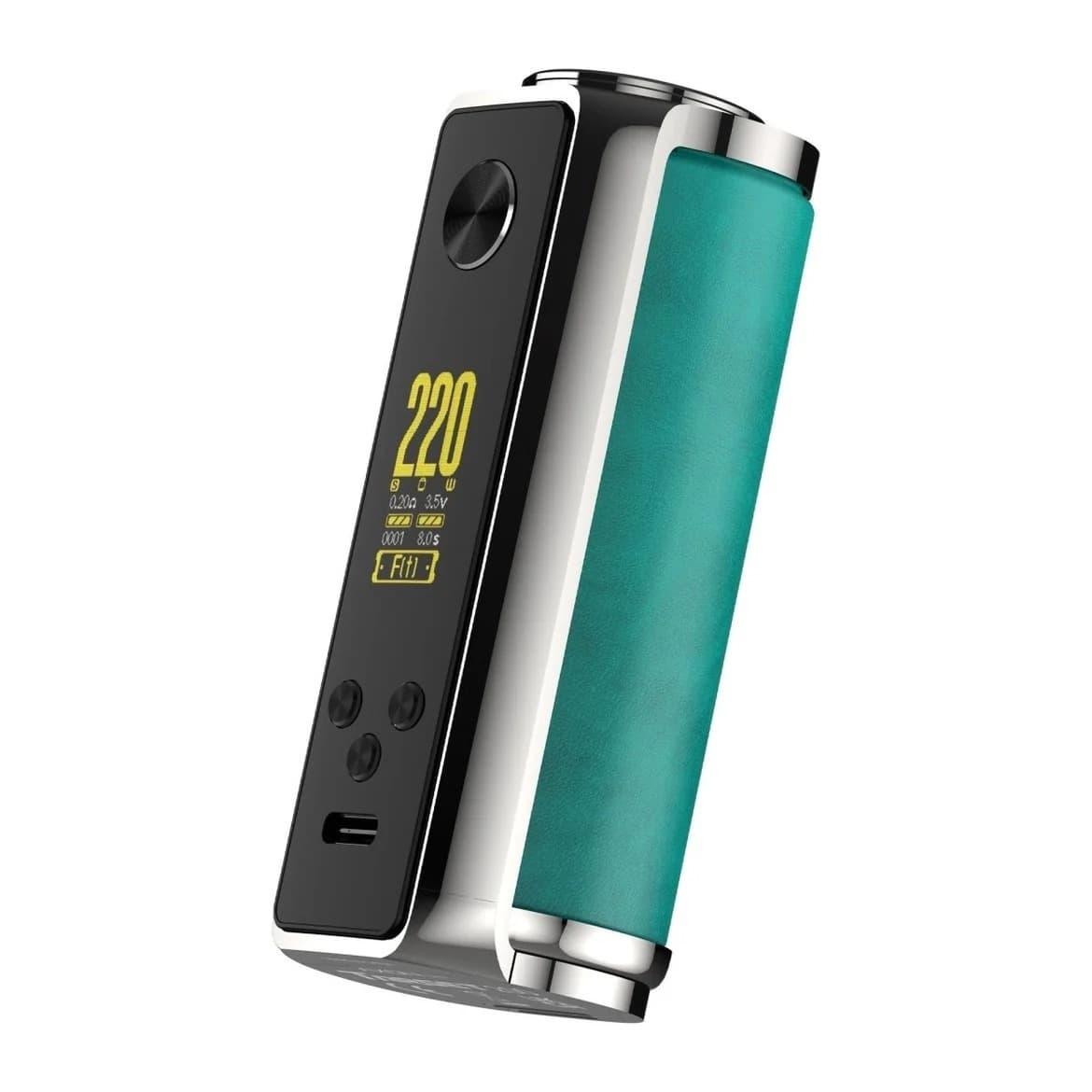
With disposables you have minimal maintenance: store in a cool, dry place and avoid direct sunlight. For refillable products, keep spare coils and nicotine in sealed containers. Knowing basic care can reduce waste and improve device longevity.
Common Misconceptions Addressed
Myth: All vapes are more dangerous than cigarettes. Fact: While vaping carries risks, current evidence suggests many toxicants are reduced compared to burning tobacco. That said, avoiding unregulated liquids and counterfeit hardware is essential. When consumers wonder are vapes and e cigarettes the same, they often conflate device design with health risk—remember substance and temperature drive emissions more than the label “vape” or “e-cigarette.”
Myth: Jednorazowy devices are always inferior. Fact: For some users disposables provide consistent delivery and require no learning curve, making them ideal for transition or sporadic use.
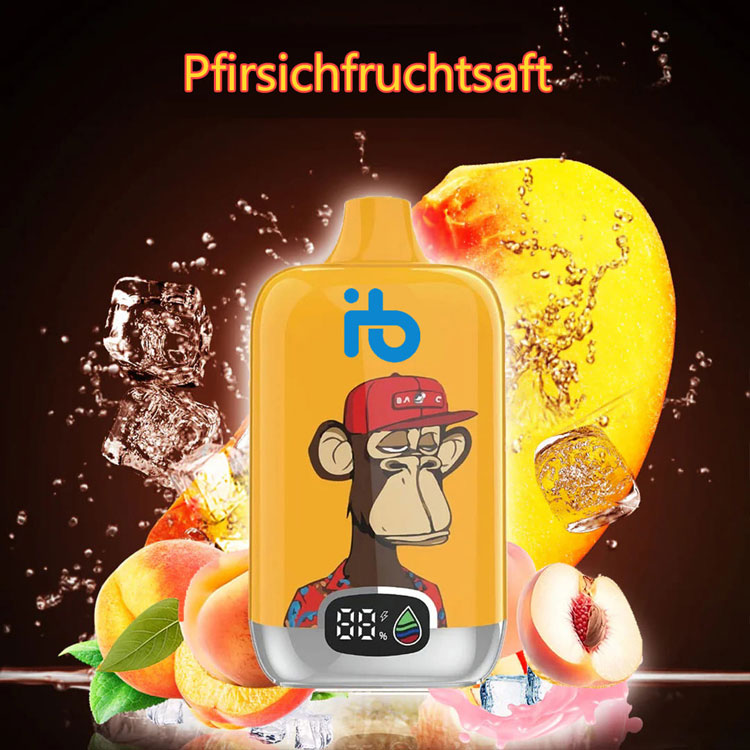
Pros and Cons Summary
| Pros (Jednorazowy e-papierosy) | Cons |
|---|---|
| Convenient, no setup, compact | Single-use waste, long-term cost |
| Consistent pre-set performance | Limited control over power and flavor mixing |
Final Buying Checklist
Before buying, tick off these simple items: clear nicotine label, trusted brand, acceptable puff count, comfortable mouthpiece, and verified vendor. If you typed are vapes and e cigarettes the same into search engines to help a purchase decision, use this checklist to compare product pages quickly and objectively.
Local and Cultural Considerations
In Poland and other European markets, the term Jednorazowy e-papierosy is widely recognized and reflects local laws and flavors. Naming conventions differ globally—“vape” may be more common in English-speaking markets while other languages offer distinct terms. This cultural nuance explains some confusion behind the question are vapes and e cigarettes the same. Consumers should always check local regulations and official public health guidance.
Conclusion: Practical Answers for Everyday Shoppers
Are they the same? Short answer: functionally similar in producing vapor, but different in design, lifecycle, and long-term cost. The phrase are vapes and e cigarettes the same misses important qualifiers—what device family are you discussing, what liquid chemistry is used, and how do you plan to use it? If your priority is convenience, go for a reputable Jednorazowy e-papierosy. If you want flexibility and lower waste, consider a refillable system. Armed with the comparisons, tips, and checklist above, you can search for and select a product with more confidence.
Further Reading and Resources
Look for trusted public health sites, peer-reviewed journals about aerosol chemistry, and consumer protection agencies that list recalls or warnings. Retail transparency and verified customer reviews remain among the best short-term indicators of quality.
Ready-to-Use Quick Reference
- Keyword to remember for disposable searches: Jednorazowy e-papierosy
- Phrase to use when comparing categories: are vapes and e cigarettes the same
- Immediate purchase check: nicotine strength, puff estimate, brand reputation
FAQ
Q: Can a disposable like a Jednorazowy e-papierosy be recharged?
A: Most disposables are not designed for recharging; attempting to recharge non-rechargeable batteries can be unsafe. Some modern disposables are marketed as rechargeable—always follow the manufacturer instructions and never force a charge port that is not provided.
Q: How can I tell whether a product labelled as a vape is an e-cigarette or something else?
A: Look at the product description: if it specifies pre-filled e-liquid and single-use operation, it is likely a disposable (Jednorazowy e-papierosy). If it mentions pods, replaceable coils, or refillable tanks, it’s a refillable vape. The question are vapes and e cigarettes the same depends on these precise features.
Q: Are disposables more harmful than refillable vapes?
A: Harm depends on e-liquid ingredients, nicotine content, and device temperature. Neither category is inherently universally safer; choose regulated products and avoid illicit or counterfeit items.