Practical Safety Insights for Vapers: Evaluating IBVape and e cigarette covid considerations
This comprehensive guide offers an evidence-informed, accessible review of device safety, infection risks, and mitigation strategies for people who use electronic nicotine delivery systems. It emphasizes independent research, pragmatic harm-minimization, and clear, actionable recommendations. The two focal search phrases — IBVape and e cigarette covid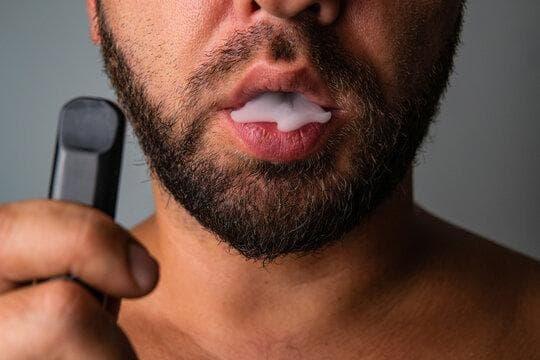 — are highlighted throughout to support discoverability and help readers quickly find reliable guidance on brand-specific safety concerns and the intersection of vaping with respiratory infection risks.
Overview: context and why this matters
In the wake of recent respiratory outbreaks and ongoing research into lung health, many consumers are searching for trustworthy information about vaping products and infectious risk. When someone types IBVape or the combined query e cigarette covid, they are often seeking clarity about whether a particular product or behavior could increase susceptibility to viral infections, whether aerosols could transmit pathogens, and what protective steps make sense. This article synthesizes peer-reviewed literature, public health guidance, and engineering considerations to provide balanced, practical advice for users, retailers, and clinicians.
What the science says about vaping, lungs, and infection susceptibility
Multiple observational studies and laboratory investigations have examined how inhaled aerosols from e-cigarettes interact with respiratory defenses. While vaping is different from combustible smoking in toxicant profile, both behaviors can influence mucociliary clearance, local immune responses, and airway inflammation. Researchers investigating e cigarette covid intersections have focused on three hypotheses: altered epithelial barrier function, suppressed innate immune signaling, and behavioral factors (such as hand-to-mouth contact) that could increase exposure to viral particles. High-quality cohort and in vitro studies suggest that vaping may transiently affect airway immune markers, but effect sizes and clinical implications vary by device type, exposure intensity, flavorings, and nicotine content.
Key findings summarized
- Inflammation and barrier changes: E-cigarette aerosol can cause mild airway irritation and inflammatory marker elevations in some users. This does not equate to certain clinical infection but may increase risk in vulnerable populations.
- Innate immunity modulation: Animal and cellular studies show e-liquid components can alter macrophage function and interferon signaling, mechanisms relevant to viral defense.
- Behavioral transmission paths: Shared devices, frequent hand-to-mouth actions, and social vaping settings can increase opportunities for viral transmission independent of aerosol composition.
Brand-focused considerations: IBVape specifics
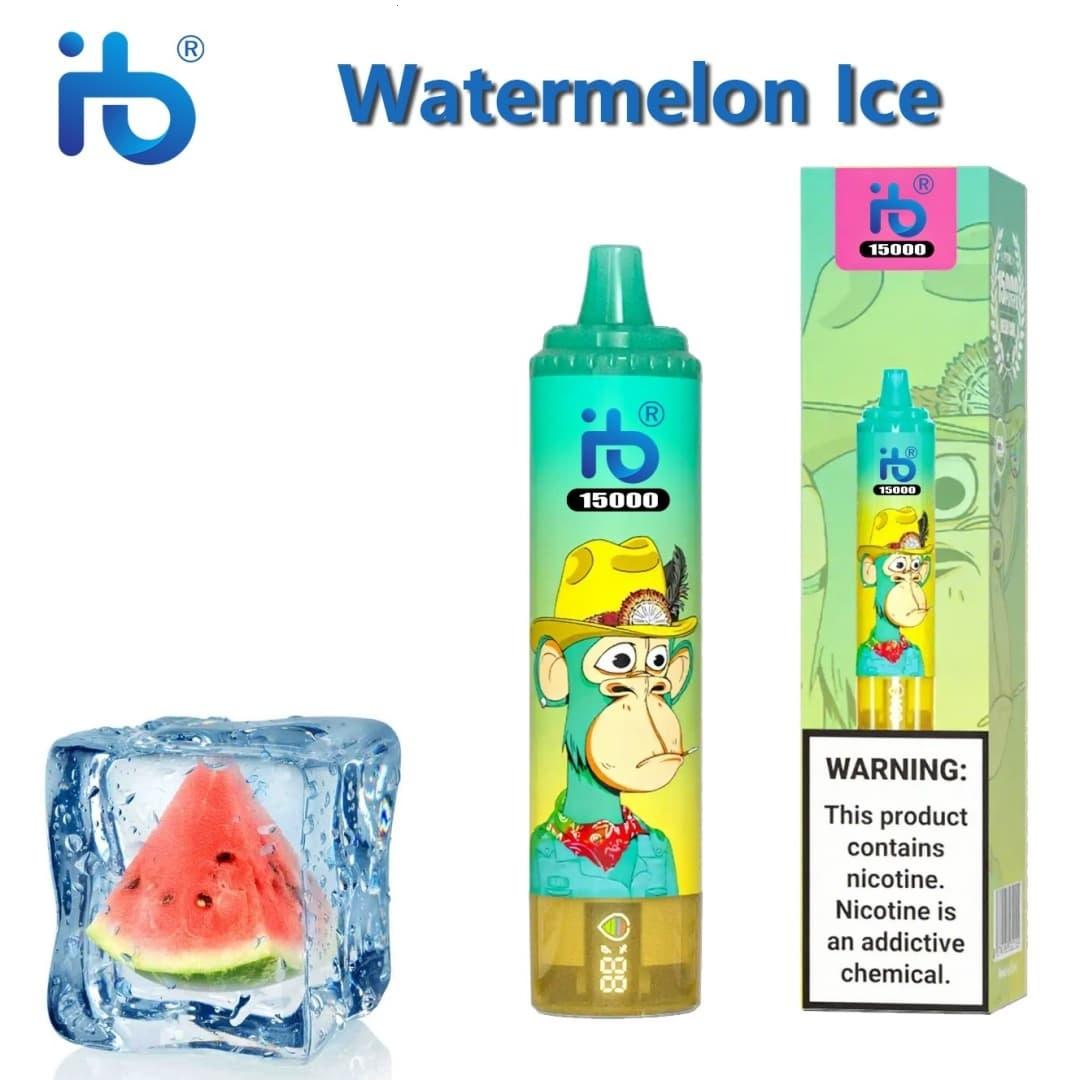
IBVape is a recognizable name in the vaping market; like many manufacturers, they offer a range of devices and liquids. From a safety perspective, factors that matter more than brand include manufacturing quality control, battery integrity, coil materials, e-liquid ingredient transparency, and user behavior. Consumers searching “IBVape” often want to understand whether that brand’s products present unique infection-related risks. The answer: there is no robust evidence that one reputable manufacturer inherently increases viral susceptibility compared to another, provided products meet quality and regulatory standards. However, specific product features may influence risk:
- Device hygiene: Replace mouthpieces and tip covers regularly; avoid sharing. IBVape users should follow the manufacturer’s cleaning guidance to reduce microbial buildup.
- Pod and tank maintenance: Change coils and clean tanks to prevent residue that could harbor microbes or degrade aerosol properties.
- Ingredient transparency: Prefer e-liquids with clear ingredient lists and third-party lab testing; unknown contaminants could worsen airway irritation.
These practical steps apply whether a user searches for IBVape product details or general safety tips about e cigarette covid concerns.
Transmission risk: can e-cigarette aerosols carry viruses?
Understanding aerosol physics and virology clarifies real-world risk. Viruses like SARS-CoV-2 spread primarily through respiratory droplets and aerosols produced by breathing, talking, coughing, and sneezing. An exhaled e-cigarette aerosol is a carrier of particulate matter and condensate droplets. The presence of respiratory viruses in exhaled breath is possible whenever a person is infected. Laboratory experiments indicate that artificial aerosols can carry viral particles under controlled conditions, but translating this to everyday vaping behavior requires nuance.
Important practical conclusions:
- Exhaled aerosol can transiently carry viral particles if the user is infected; therefore, vaping in close proximity to others creates a similar exposure risk as speaking or coughing.
- Masked or outdoor settings reduce exposure; indoor vaping in poorly ventilated spaces increases potential airborne concentration.
- Device-generated aerosol chemistry does not inherently neutralize viruses; some e-liquid compounds have antimicrobial properties in vitro, but these are not reliable infection controls and should not be viewed as preventive measures against respiratory viruses.
Harm reduction and actionable safety tips
Whether you’re a long-term user of a brand like IBVape or occasional vaper concerned about e cigarette covid risks, these practical tips reduce infection risk and support respiratory health:
- Hygiene first: Do not share devices; clean mouthpieces daily with alcohol wipes or warm soapy water (check device manual). Frequent handwashing before and after handling devices reduces fomite transmission.
- Ventilation matters: When indoors, increase air exchange or open windows. Use HEPA filtration in shared spaces where vaping occurs to reduce aerosol accumulation.
- Avoid vaping when symptomatic: If you have respiratory symptoms or a known exposure, refrain from vaping around others and seek testing. Exhaled aerosol could contain infectious particles.
- Masking in public: In high-risk settings or during an outbreak, consider masking; remove mask only in private spaces and avoid vaping in public indoors.
- Device maintenance: Replace coils and seals per guidance; damaged hardware can produce unpredictable aerosols.
- Choose tested e-liquids: Prefer products with certificates of analysis for contaminants and consistent nicotine delivery. Brands with transparent manufacturing reduce secondary risk from adulterants.
Special populations: who should be extra cautious?
Vulnerable individuals — older adults, people with asthma, COPD, immunosuppression, or cardiovascular disease — should be particularly cautious about vaping during respiratory outbreaks. The combination of preexisting lung vulnerability and potential vaping-induced irritation could increase the likelihood of severe outcomes. Clinicians should discuss individualized harm-reduction strategies rather than default cessation messaging, especially for people using vaping to reduce cigarette smoking.
Research gaps and what to watch for
Ongoing research priorities related to IBVape style products and the e cigarette covid question include longitudinal cohort studies linking vaping patterns to infection rates, better characterization of exhaled aerosol viral load under real-use conditions, and standardized methods to measure device hygiene impacts on microbial contamination. Consumers should watch for peer-reviewed updates and manufacturer disclosures about materials and lab testing.
How to interpret emerging headlines
When new studies appear in news cycles, evaluate source credibility: prioritize systematic reviews, large cohort studies, and meta-analyses over single-case reports or sensationalized laboratory findings. Regulatory agency guidance (national public health agencies) provides the most reliable, actionable recommendations during outbreaks.
Communication and retail best practices for sellers and vape shop staff
Retailers carrying brands such as IBVape should adopt infection control strategies that protect staff and customers while maintaining customer service. Practical store policies include:
- Enforcing no-sharing policies for demo devices; provide disposable mouthpieces or sanitized testers.
- Posting clear signs about hand hygiene and symptomatic exclusion.
- Offering curbside pickup and prepackaged consumables during high-transmission periods.
- Providing customers with educational leaflets summarizing credible e cigarette covid safety recommendations and directing them to public health resources.
Balancing nicotine cessation, harm reduction, and infection control
For many adult smokers, e-cigarettes are part of a harm-reduction pathway. Public health guidance balances the relative risks of smoking, vaping, and nicotine abstinence. During infectious disease outbreaks, clinicians should integrate infection prevention into cessation counseling: encourage cleaner device use, improved hygiene, and minimizing social vaping situations. Tools such as nicotine replacement therapy and behavioral counseling remain valuable complements or alternatives to vaping for those willing to quit.
Practical checklist: immediate steps to reduce risk
Use this quick checklist whether you’re searching about IBVape devices or worried about e cigarette covid implications:
- Do not share mouthpieces; sanitize hands before use.
- Use in well-ventilated or outdoor spaces where possible.
- Replace disposable components and coils on schedule.
- Avoid vaping when ill or recently exposed to respiratory infection.
- Prefer products with third-party testing and transparent ingredient lists.
- Retailers: implement no-sharing policies and provide disposal or sanitization options.
Evidence-based myths vs. facts
Myth: Vaping kills viruses because e-liquids contain antiseptic chemicals.
Fact: While certain compounds can have antimicrobial properties in lab settings, inhaling these chemicals via vaping is not a safe or effective way to prevent infection and may harm the lungs.
Myth: Branded devices like IBVape are inherently safer from an infectious disease perspective.
Fact: Safety depends on manufacturing quality, maintenance, and user behavior more than brand name alone.
When to seek medical advice
Contact a healthcare professional if you experience persistent cough, shortness of breath, chest pain, high fever, or any severe respiratory symptoms after vaping. Inform clinicians about vaping frequency, device type (brand and model like IBVape), and e-liquid ingredients, as this information can aid diagnosis and management.
Resources and further reading
Readers seeking primary sources should consult peer-reviewed journals in pulmonology and infectious diseases, regulatory advisories, and manufacturer certificates of analysis. Trusted institutions like national public health agencies and academic medical centers offer regular updates that contextualize single-study findings in a broader evidence base.