Adjusting to New Restrictions: How a Nicotine Brand Reinvents Its Role
In markets where regulators introduce stricter rules, brands tied to vapor products must rethink product design, distribution channels, and consumer outreach. This detailed exploration focuses on how a brand like xoilac 365 can pivot when faced with an e-cigarette ban, and what customers should realistically expect during and after such transitions. The aim here is to provide both strategic insight for decision makers and practical guidance for users who rely on alternatives to combustible tobacco. The content intentionally balances policy analysis, business tactics, and consumer-focused advice while keeping xoilac 365 and e-cigarette ban prominence for discoverability and relevance.
Context: Why a Restriction Changes the Playing Field
When an e-cigarette ban is introduced—whether partial, product-specific, flavor-targeted, or comprehensive—it alters legal risk, supply chain dynamics, and consumer behavior overnight. Companies that previously relied on a stable regulatory framework must now decide between compliance, litigation, product redesign, market exit, or diversification. For a company like xoilac 365, which has built brand recognition among users seeking nicotine alternatives, the response must be multi-layered: immediate legal and logistical adjustments combined with medium-term brand evolution and long-term strategic repositioning.
Immediate operational responses
- Regulatory compliance: Halt sales of banned SKUs, update labeling, and liaise with regulators to confirm what is allowed and what is prohibited.
- Inventory management: Reallocate or phase out inventory to avoid legal exposure while minimizing sunk costs.
- Supply chain recalibration: Engage suppliers about emissions, manufacturing changes, or alternative product components that may remain allowed under new rules.
- Communication: Notify retailers, distributors, and customers about the changes, refund policies, and conversion paths clearly and promptly.
Product adaptation strategies
Not all bans eliminate every form of nicotine delivery. Adaptive companies explore alternatives that remain legal and meet demand. Some practical directions include:
- Non-volatile nicotine forms: Transition to nicotine pouches, gums, lozenges, or heated tobacco devices that are compliant in specific jurisdictions.
- Reduced delivery systems: Reformulate liquid concentration, alter heating elements, or switch to closed systems with tamper-proof components if these features satisfy regulators.
- Accessory-first pivot: Increase focus on hardware accessories or paraphernalia that are not considered nicotine delivery devices but still serve brand-loyal customers.
- Wellness adjacencies: Expand into nicotine-free aromatherapy, CBD (where legal), or adult-oriented wellness categories to retain customer relationships while respecting restrictions.
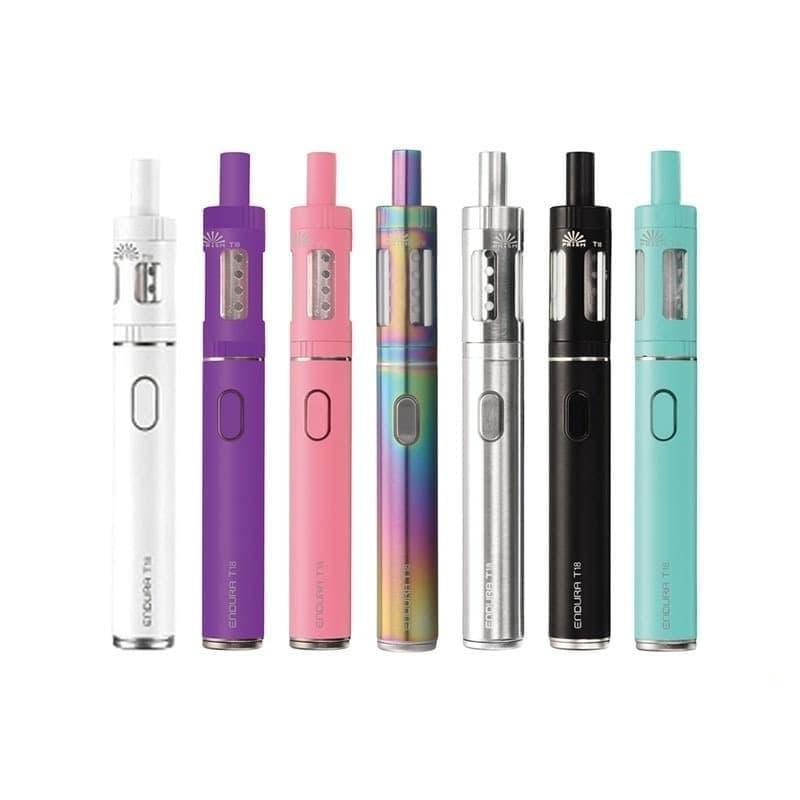
How xoilac 365 Could Realign Branding and Marketing
When a direct product category is constrained, branding becomes the anchor to maintain consumer trust. Effective repositioning strategies include:
- Transparent education: Use clear messaging about what changed, what remains available, and how consumers can transition safely. Transparency reduces confusion and preserves brand integrity.
- Emphasis on compliance and safety: Promote rigorous quality-control narratives and independent lab testing for any products that remain on the market.
- Community-building: Create support networks, loyalty programs, and migration incentives so customers who depend on the brand can find legal alternatives within the company’s ecosystem.
- Strategic partnerships: Collaborate with healthcare providers, cessation programs, or research institutions to demonstrate a commitment to public health, thereby softening reputational risks from an e-cigarette ban.
Digital strategies for retention and acquisition
Online channels become even more critical as traditional retail routes face scrutiny or restrictions. Search engine optimization (SEO), content marketing, and privacy-respecting CRM tactics can help maintain visibility without violating regulatory advertising bans. Relevant tactics include:
- Publish compliance-focused content reinforced with branded keywords such as xoilac 365 and contextual references to e-cigarette ban impacts to capture informational queries.
- Develop high-value resource hubs that help consumers understand legal alternatives and cessation resources.
- Leverage email and permission-based notifications to alert loyal customers about product changes, refunds, and replacement options.
Supply chain considerations and manufacturing pivots
Manufacturers must analyze which components, materials, or processes are implicated by the new rules. Practical steps include:
- Re-tooling: Modify manufacturing lines to produce compliant products—this could mean shifting from aerosolizing liquids to producing solid-dosage formats.
- Inventory triage: Implement careful disposition plans for non-compliant goods: legal returns, repurposing, or disposal following environmental and safety regulations.
- Supplier engagement: Secure suppliers who can pivot and meet new regulations, and diversify sourcing to avoid bottlenecks.
Retail and distribution transitions
Retailers who previously sold e-cig devices and e-liquids will see category shrinkage. For brands like xoilac 365, the relationship with retailers can be preserved by providing:
- Replacement items that comply with new rules.
- Clear return and exchange policies.
- Training materials for retail staff on compliance and consumer guidance.
Consumer impact and what users should expect
End-users will experience an evolving landscape. Here are predictable phases and recommended actions for consumers:
Phase 1 — Immediate disruption
Availability of certain devices, flavors, or nicotine strengths may disappear. Expect increased price volatility and temporary shortages. Consumers should:
- Check official channels for information about refunds or product exchanges.
- Avoid illicit or gray-market purchases that increase legal risk and health uncertainties.
Phase 2 — Adaptation and substitution
Many users will switch to permitted forms (pouches, gums, patches, or alternative delivery systems). To make a safe transition:
- Consult healthcare professionals about nicotine replacement strategies.
- Choose products with transparent ingredient lists and third-party testing.
Phase 3 — Longer-term behaviors
Some users may quit nicotine altogether, others may migrate to allowed alternatives, and a subset could seek illicit supplies. The best consumer choices emphasize safety and legality. Brands that help consumers through transitions build stronger loyalty even after regulatory shocks.
Legal and policy navigation
In response to an e-cigarette ban, companies often pursue a mix of strategies: challenge laws in court, lobby for exemptions, seek phased implementation, or engage in regulatory rulemaking. For consumers, advocacy matters: public participation in consultations, constructive engagement with policymakers, and sharing data-driven stories about harm reduction can influence balanced outcomes.
Public health and harm reduction considerations
One of the most important debates surrounding any restriction is the balance between preventing youth vaping and preserving adult access to less-harmful alternatives to smoking. Brands aware of this nuance, such as xoilac 365, can advocate for targeted measures—age verification, marketing restrictions, flavor limits—rather than blanket bans. Communicating a focus on harm reduction can help align corporate goals with public health objectives.
Financial forecasting and contingency planning
From a business perspective, an abrupt ban can create cashflow stress. Sound contingency planning includes:
- Scenario modeling for partial vs. full prohibition.
- Cost-benefit analysis of litigation versus market exit.
- Reserve funds for product retooling and compliance certification.
Customer service and reputation management
Transparent, empathetic customer service eases transition pain. Elements of a strong consumer response include:

- Clear FAQs about what is changing and why.
- Step-by-step guides for returns, exchanges, or replacement purchases.
- Dedicated hotlines and moderated community forums to reduce misinformation.
Case studies and hypothetical timelines
While jurisdictions differ, a typical organizational timeline might run: Week 0—regulation announced; Week 1–4—legal review and communications; Month 2–6—product phase-outs and inventory disposition; Month 6–18—product redevelopment and re-launch of compliant SKUs or adjacent categories. During each phase, repeated use of brand signals such as xoilac 365 in compliant messaging, and contextualized mentions of e-cigarette ban in informational content, helps preserve SEO value and consumer trust.
SEO and content tactics during regulatory change
Maintaining visibility amid regulatory turmoil requires thoughtful content that both informs and converts. Recommended approaches:
- Update meta-level resource pages with authoritative answers about compliance and alternatives (note: do not include prohibited promotional claims in markets where ads are restricted).
- Use structured data where appropriate for allowed content types to improve SERP presentation.
- Publish timely blog posts, explainers, and guides that include xoilac 365 and referenced terms like e-cigarette ban in headings, captions, and bolded summaries for SEO emphasis.
Ethical marketing and compliance pitfalls
Brands must avoid tactics that contravene local advertising laws—especially those that target minors or make unverified health claims. Ethical, compliant marketing favors age-gating, plain language, and a focus on product safety rather than youth appeal. For companies repositioning after an e-cigarette ban, demonstrating ethical practices can be a competitive differentiator.
Preparing consumers: a checklist
For users of products similar to those produced by xoilac 365, a practical checklist helps ease the transition:
- Verify whether existing devices and supplies are legal in your area.
- Seek alternatives that are clearly labeled and third-party tested.
- Use brand channels for official updates and avoid unverified social posts.
- Keep records of purchases for potential refunds or exchanges.
- Consult healthcare professionals for cessation or substitution advice.
Conclusion: Resilience through adaptation

Market disruptions caused by an e-cigarette ban are disruptive but not necessarily final. Businesses that rapidly align operations, reimagine product lines, and prioritize customer education can survive and even thrive in adjacent categories. For consumers, the most important actions are to prioritize safety, follow official guidance, and engage with reputable brands such as xoilac 365 when seeking legal alternatives. By combining regulatory intelligence with thoughtful brand stewardship and user-centered services, the transition away from restricted products can become a managed, transparent, and ultimately constructive process.
Frequently Asked Questions
Not always; recalls depend on the scope of the ban. If the regulation explicitly bans certain devices or liquids, those SKUs may be subject to removal from shelves and supervised disposal. Companies should communicate recall procedures clearly to customers.
Q2: Can consumers get refunds or exchanges for affected products?
Many brands offer refunds, exchanges, or credits for discontinued items, but policies vary by retailer and jurisdiction. Check official brand channels and receipts for specific instructions.
Q3: What legal alternatives exist if an e-cigarette ban is enacted?
Permitted options commonly include nicotine replacement therapy (patches, gum, lozenges), nicotine pouches where legal, or other approved cessation products. Consult local regulations and healthcare professionals before switching.
Q4: How will an e-cigarette ban affect product pricing and availability?
Initially, expect scarcity-driven price volatility. Over time, prices may stabilize as manufacturers pivot and new compliant supply chains establish themselves.