In recent years, the world has seen an increase in the demand for electronic cigarettes, particularly those that resemble traditional tobacco cigarettes. These devices offer a pathway for smokers to indulge in habitual hand-to-mouth activity while avoiding many of the harmful chemicals found in conventional cigarettes. The evolution of these electronic cigarettes is marked by their sophistication and similarity to the tactile experience of smoking regular cigarettes. This is a crucial aspect for those transitioning away from tobacco, aiming for a real cigarette-like experience without the damaging effects.
Innovations in Design
The design of electronic cigarettes that look like real cigarettes has become increasingly innovative, offering enhancements not only in appearance but also in functionality. Manufacturers focus on replicating the size, shape, and even weight of typical tobacco cigarettes. Some models are readily available with LED tips that simulate the glowing ember seen at the end of a burning cigarette, providing visual authenticity that can be comforting for former smokers.
Key Features to Consider
When selecting an electronic cigarette, there are key features to evaluate to ensure a satisfactory experience. Battery life is a critical component; longer-lasting batteries mean more time enjoying the vape without frequent recharges. The flavor selection is another important factor. Many electronic cigarettes offer a vast array of flavors that mimic traditional tobacco, menthol, and even more exotic options like fruity blends or dessert-inspired concoctions.
Cartridge systems and refill methods are crucial, too. Some devices offer refillable tanks while others use pre-filled cartridges, allowing users the flexibility to choose based on convenience and personal preference. Moreover, nicotine levels in the e-liquids play a significant role; it’s vital for users to select options that facilitate their cessation journey by gradually reducing nicotine intake.
Healthier Alternative
 Research into electronic cigarettes suggests they might pose fewer health risks compared to regular cigarettes. By producing vapor rather than smoke, users avoid tar and many carcinogenic elements. It’s important to note, however, that while electronic cigarettes are a healthier choice for most users, they are not entirely risk-free.
Recent studies are delving into the long-term effects and confirming their role in harm reduction strategies. Smokers transitioning to vaping are reported to experience improved breathing ease and reduced coughing, indicative of decreased respiratory impact compared to tobacco smoking.
Pros and Cons
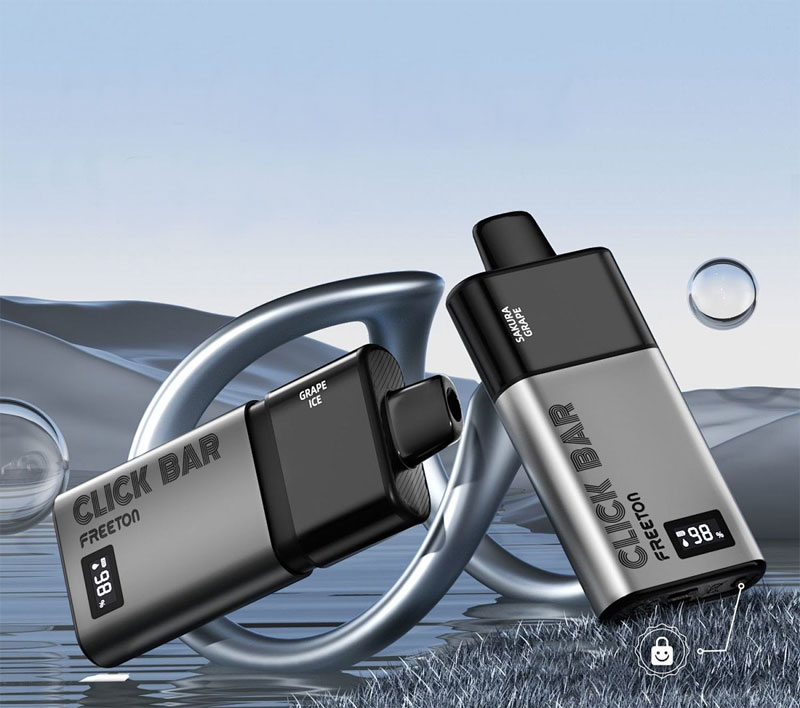 The pros of using electronic cigarettes include the absence of unpleasant odors, variety in flavor options, and the potential to control nicotine intake levels. On the negative side, the initial cost can be higher than buying a pack of regular cigarettes, although this expense diminishes over time due to the longevity of electronic devices and reusable components. Additionally, users might face challenges concerning the availability of e-liquid flavors and nicotine levels in specific jurisdictions, necessitating research before buying.
Device selection is imperative, ensuring an experience close to smoking regular cigarettes for those keen on replicating the feel while embarking on a healthier pathway. The popularity of electronic cigarettes that mimic the appearance and tactile sensation of real cigarettes is a testament to their intricate design satisfying the cravings of former smokers. For those invested in exploring these options, it’s an exciting time with numerous brands bringing quality and satisfaction to the forefront.