The surge in e-cigarette culture within China has been remarkable over the past decade, transforming the landscape of smoking and providing a multitude of alternatives to traditional tobacco products. The term “e cigarette in Chinese” resonates widely as more individuals seek healthier and modernized options for nicotine consumption. With China’s massive population and evolving lifestyle, e-cigarettes have carved out a unique niche that warrants a closer look.
The Transition from Traditional Tobacco
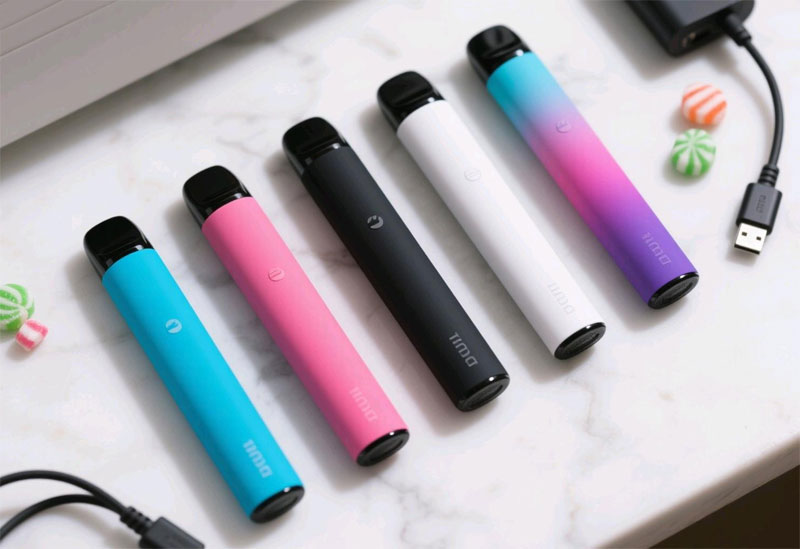
E-cigarettes, known as “电子烟” (diànzǐ yān) in Chinese, have gained popularity as a less harmful alternative to smoking. This shift is driven by increased health awareness and regulatory changes surrounding tobacco use. Unlike traditional cigarettes, e-cigarettes do not burn tobacco; instead, they vaporize a liquid solution containing nicotine—a method perceived to considerably reduce the dangerous effects associated with smoking.
The market for e-cigarettes in China is burgeoning as local brands innovate to cater to consumer demands. With the concept of harm reduction taking center stage, companies are capitalizing on the potential of e-cigarettes to offer a safer smoking experience. The keyword “e cigarette in Chinese” reflects this growing interest and the drive towards a healthier lifestyle.
Technological Innovations and Trends
The e-cigarette industry is characterized by constant technological advancements. Modern devices boast features such as temperature control, varied flavor options, and customizable nicotine levels, which make them appealing to users looking for a personalized experience. China’s willingness to adopt new technologies swiftly ensures the growth of this sector, fostering significant innovation in design and functionality.
Additionally, recent developments have seen the introduction of products with Bluetooth connectivity, enabling users to monitor their consumption habits through smartphone apps. This tech-savvy approach aligns perfectly with China’s rapid digital transformation, integrating modernity into the everyday habit of vaping.
Legislation and Regulation
The regulatory landscape of e-cigarettes in China is evolving. Initially, the market experienced a lack of stringent regulations, leading to a proliferation of products. However, this scenario is changing. The government has started to implement measures to safeguard consumer interests, ensuring products meet quality and safety standards. This shift is crucial in certifying that “e cigarette in Chinese” reflects not only diversity but also assurance in product integrity.
With these regulations, manufacturers are held accountable, promoting transparency and boosting consumer confidence. As China continues to navigate this regulatory process, the industry aims to balance innovation with health protections.
Cultural and Social Acceptance
The social perception of e-cigarettes has evolved significantly. Initially met with skepticism, these devices are now seen as trendy and socially acceptable. Urban areas, especially, have embraced the culture, with vape shops and lounges becoming popular social spots. E-cigarettes signify a cultural shift, integrating smoking into a lifestyle choice rather than a mere habit.
Social media platforms play a vital role in disseminating knowledge and promoting acceptance, with influencers and celebrities endorsing the latest in vaping trends, enhancing the keyword “e cigarette in Chinese” visibility and cultural penetration.
Frequently Asked Questions (FAQs)
Are e-cigarettes safe compared to traditional cigarettes?
While e-cigarettes are generally considered safer than traditional cigarettes due to the absence of combustion, they are not entirely risk-free given the presence of nicotine and other chemicals. It’s crucial for users to make informed decisions.
What flavors are popular in China?
Fruity flavors, such as mango and lychee, alongside more exotic options like green tea, are particularly popular, catering to diverse taste preferences.
How are e-cigarettes regulated in China?
Recent regulations aim to ensure product safety and quality, requiring manufacturers to adhere to strict guidelines and submit their products for testing and approval.