Electronic cigarettes have gained remarkable popularity in Thailand over recent years, serving as an alternative for those looking to reduce or quit traditional smoking. This shift towards vaping stems from their perceived lower risks compared to conventional cigarettes, fueling interest and debate about their place in Thai society.
Despite this growing interest in electronic cigarettes in Thailand, it is essential for enthusiasts and potential users to understand the regulatory landscape governing these devices. Thailand has strict regulations surrounding the sale and possession of electronic cigarettes. Currently, the sale of electronic cigarettes is banned, and possession of these devices could lead to hefty fines or even jail time. This legal standpoint stems from concerns over health risks and the desire to prevent nicotine addiction among the youth.
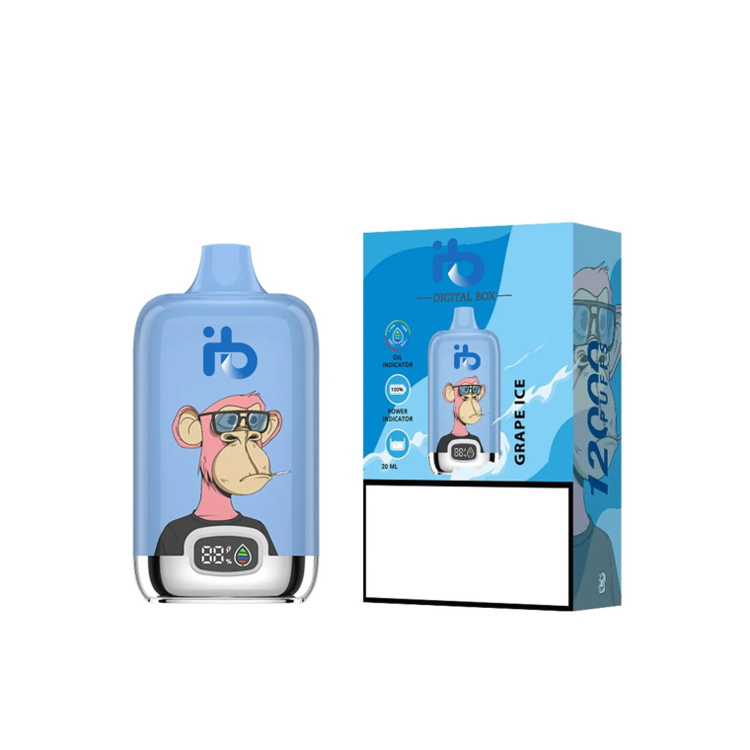

Why Are Electronic Cigarettes Popular in Thailand?
The popularity of electronic cigarettes in Thailand can be attributed to several factors. Firstly, the perception of these devices as a healthier alternative to traditional cigarettes plays a significant role. Vaping is seen by many as less harmful because it does not involve combustion, which reduces the inhalation of toxic substances. Additionally, the diverse flavors available in vaping products appeal to a broader demographic, making it a more enticing option for those looking to transition away from tobacco.
Moreover, the influence of global vaping trends cannot be ignored, as many Thai youths are drawn to the modern and trendy image that vaping presents. Social media platforms and international celebrities endorsing vaping products have bolstered their popularity further, creating a demand despite the legal restrictions.
Regulations on Electronic Cigarettes
Thailand’s stance on electronic cigarettes is largely one of caution. The government maintains strict control, prohibiting the import, sale, and promotion of these devices. Travelers bringing electronic cigarettes into the country should be aware of the potential legal repercussions, which include confiscation of the devices and fines. Authorities enforce these rules to safeguard public health and prevent nicotine addiction, especially amongst impressionable teenagers.
These regulations might seem severe, but they reflect a commitment to the welfare of the population by minimizing exposure to potentially harmful products. The country’s strict enforcement also signals its broader public health initiatives aimed at curbing tobacco usage in various forms, including electronic cigarettes.
Potential Health Impacts
The discussion on electronic cigarettes in Thailand frequently spotlights their health implications. While they are perceived as less harmful than traditional cigarettes, electronic cigarettes are not without risks. Studies suggest that certain chemicals used in e-liquids might pose health hazards when vaped over long periods. Furthermore, there is an ongoing debate about their efficacy as smoking cessation tools. While some advocate for their use in quitting smoking, others argue the opposite, pointing to the potential for sustaining a nicotine habit.
Conclusion
The electronic cigarette scene in Thailand is replete with contradictions: a popular yet strictly regulated device. Understanding both the allure and the legal constraints is crucial for anyone interested in vaping within Thailand. As global trends advance and more research on vaping emerges, Thailand’s stance may evolve, but until then, users must navigate the current landscape carefully.
FAQs
Q1: Is it legal to bring electronic cigarettes to Thailand? A1: No, it is illegal to bring electronic cigarettes into Thailand. Travelers may face penalties.
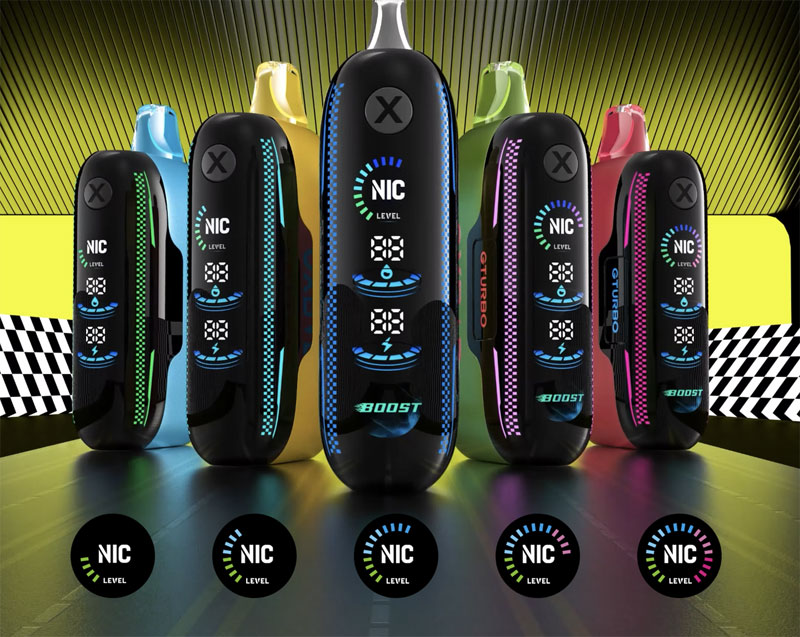
Q2: Are electronic cigarettes safer than traditional tobacco products? A2: While generally considered to be less harmful, electronic cigarettes still pose health risks and should be used with caution.
Q3: Could regulations on electronic cigarettes change in the future? A3: Potential changes in regulations could occur as new studies emerge, but for now, current laws are enforced strictly.