In the rapidly evolving world of vaping, many individuals are intrigued by a crucial question: What is in e-cigarettes? Understanding the components and their effects is vital for both users and those considering vaping as an alternative to traditional smoking. This exploration can offer valuable insights into e-cigarette contents and their implications on health.
The Core Components of E-Cigarettes
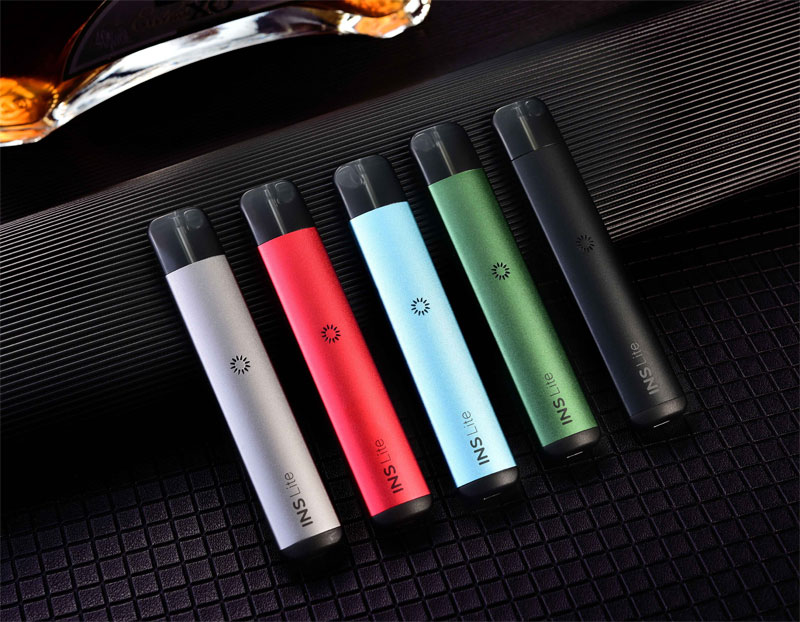
At their core, e-cigarettes are designed to mimic the sensation of smoking without burning tobacco. But what exactly fills these sleek, electronic devices? Common e-cigarette ingredients typically include nicotine, flavorings, propylene glycol (PG), and vegetable glycerin (VG).
- Nicotine: A primary addictive substance, nicotine levels in e-cigarettes can vary significantly, often ranging from none to very high concentrations depending on the user’s preference.
- Flavorings:
 These are added for enhanced user experience, offering a wide array of tastes from fruity to dessert-like sensations, allowing personalization. However, the safety of inhaling some flavor compounds is still under scrutiny.
 - Propylene Glycol (PG): Used as a food additive found in many consumables, PG helps to create the vapor which simulates smoke. Its impact on health is considered minimal, but it can cause slight throat irritation for sensitive users.
- Vegetable Glycerin (VG): Another compound that produces vapor and adds sweetness, VG is often thicker than PG, offering a different vaping experience.

The Controversies and Health Debates
Despite their popularity, the exact composition of e-cigarettes fuels ongoing debates among health professionals. While many argue e-cigarettes might serve as a less harmful alternative to smoking, concerns remain about the long-term effects of inhaling vaporized chemicals, especially for young users.
Understanding the Chemistry
Vapers often seek transparency regarding the chemicals they inhale. A significant portion of the debate centers around the byproducts generated via the heating of e-liquid, including potentially harmful substances like formaldehyde and acetaldehyde. The concentrations of these toxins can depend greatly on the device’s power settings and the liquid constituents.
Safety Regulations and Standards
Progress has been made in regulating e-cigarette compositions to ensure consumer safety. Regulatory bodies in various countries enforce standards for manufacturing and ingredient disclosure. In the United States, for example, the FDA mandates that e-cigarette companies list all product ingredients and report harmful or potentially harmful constituents.
Emerging Research and Findings
Ongoing scientific research continues to draw clearer lines around the safety and health impacts of vaping. While e-cigarettes are relatively new, evolving studies focus on their roles in smoking cessation, potential risks, and public health concerns, making it crucial for users to stay informed about these developments.
Comparing Traditional and Electronic Cigarettes
A significant debate involves comparing conventional cigarettes with e-cigarettes. Although e-cigarettes do not produce tar—a byproduct of burning tobacco—users should still be wary of inhaling high amounts of unregulated substances that may have unknown health implications over long-term use.
Conclusion
In summary, e-cigarettes offer a complex blend of benefits and risks, reflected in their ingredients. It’s crucial for users to understand not just what is in e-cigarettes, but also the potential long-term health outcomes associated with regular use.
FAQ Section
Q: What is the primary addictive component in e-cigarettes?
A: Nicotine is the primary addictive component in e-cigarettes, and its concentration can vary.
Q: Are there safe levels of inhalable flavors?
A: The long-term safety of inhaling e-cigarette flavors is still being studied, and users are advised to remain informed as research evolves.
Q: How do e-cigarette regulations affect users?
A: Regulations ensure that users are informed about the contents of their devices, potentially reducing exposure to harmful substances.