The heating coil within the atomizer is powered by the e-cigarette’s battery. **Atomizer A E cigarette schematic** provides insight into how these parts interconnect. The coil, often made from metals such as stainless steel, nickel, or titanium, heats up when electrical power is applied. The wick, typically fashioned from cotton, silica, or ceramic, absorbs the e-liquid and ensures continuous flow to the coil.
The wick’s material impacts the flavor and vapor production, hence the careful consideration in selecting it. The housing, made from durable materials like stainless steel or glass, protects the inside workings and contributes to the overall design aesthetic of the e-cigarette. For vaping enthusiasts keen on optimization, understanding the schematic of the A E cigarette’s atomizer is crucial. It allows for modifications, such as changing the coil resistance or altering the wick materials to personalize the experience.
- **Atomizer – The Core of Vapor Creation**: At its most fundamental, the atomizer transforms liquid into inhalable vapor. Mastering its schematic opens up possibilities for customization.
- **Coil Variance and Adjustment**: Different resistances can be experimented with to impact vapor density and flavor richness.
- **Wick Material Choices**: Selection directly affects the saturation and flavor clarity, offering options for tailored vaping.
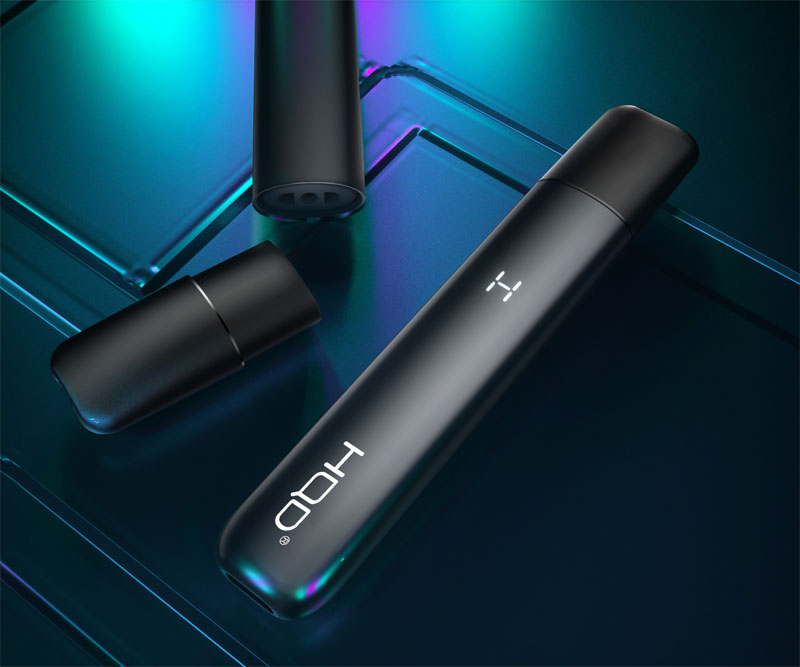 The atomizer’s design is pivotal for ensuring optimal battery connection. In almost all e-cigarettes, the schematic will include battery connection points that trigger the atomizer’s heating process. These points are engineered for efficient power delivery, preserving battery life while maximizing vapor production. The user can find connections that mitigate overheating risks, a common concern among experts experimenting with sub-ohm resistance levels.
Furthermore, understanding the **atomizer A E cigarette schematic** unveils maintenance essentials critical for long-term functionality. Regular cleaning prevents residue accumulation, which can impede performance. Ensuring the coil and wick are regularly inspected and replaced enhances their lifespan and boosts flavor:
Vaping enthusiasts constantly seek the best atomizer experience, and understanding the schematic of an A E cigarette provides them with the necessary framework. By mastering this knowledge, they can enhance their devices’ efficiency and tailor their vaping sessions.
FAQs:
- How often should the atomizer be cleaned?
- Every few weeks to maintain optimal performance and flavor.
- What materials are best for coil construction?
- Options like stainless steel and titanium are popular due to their durability and heat resistance.
- Can wick material affect vapor output?
- Yes, wick material impacts saturation and flavors, influencing overall vapor quality.