Investigating safer use and realistic risks: a practical guide
E-cigaretta research overview
This comprehensive, evidence-focused article explores how the brand E-cigaretta and the broader question are e cigarettes harmful to your health intersect with current science, public health guidance, and pragmatic harm-reduction approaches. The aim here is not to repeat a headline, but to synthesize peer-reviewed findings, regulatory signals, and real-world best practices so that curious adults, clinicians, and policymakers can make informed choices. We will emphasize clarity, consistent keyword visibility for search engines, and practical steps toward safer vaping.

Why this matters
Over the past decade, electronic nicotine delivery systems (ENDS) have evolved from experimental devices into mass-market products. The primary search queries frequently include the term E-cigaretta and the question are e cigarettes harmful to your health. Answering that question requires nuance: harm depends on product design, liquid chemistry, user behavior, and the baseline risk of alternative behaviors like cigarette smoking.
Structure of this guide
- What the science currently shows about harm pathways and exposure;
- Comparative risk versus combustible tobacco;
- Device, liquid and behavior-related risk modifiers;
- Evidence-based strategies to reduce harm while using ENDS;
- Policy and clinical considerations for practitioners and users.
Evidence summary: what studies reveal
Epidemiology, toxicology, and clinical studies offer a layered picture. Short-term experimental work measures acute effects after device use (heart rate, blood pressure, markers of airway inflammation). Toxicology analyzes aerosols for carbonyls, volatile organic compounds (VOCs), metal particulates, and ultrafine particles. Population studies monitor trends in respiratory disease, cardiovascular events, and patterns of dual use with cigarettes. Together, these data indicate that while ENDS typically expose users to fewer and lower concentrations of many classic combustion products, they are not harmless.
Respiratory system effects
Laboratory and observational data show that inhaled aerosols can irritate the airways and may worsen underlying pulmonary conditions. Biomarkers of oxidative stress and inflammation rise transiently in some users. Longitudinal cohort data are still emerging, and the full chronic impact on lung function over decades remains uncertain. This uncertainty is central to the public’s search terms like are e cigarettes harmful to your health and reinforces the need for cautious messaging.
Cardiovascular signals
Short-term studies report transient increases in heart rate and blood pressure after nicotine-containing aerosol exposure; some studies also show endothelial dysfunction and increased arterial stiffness in the short term. While the magnitude of cardiovascular risk relative to smoking combustible cigarettes appears lower, any added risk is relevant for people with preexisting heart disease.
Nicotine dependence and brain development
Nicotine is highly addictive and neuroactive, with evidence that adolescent brains are particularly susceptible to its effects on attention, learning, and mood regulation. This dimension is critical to policy: even if E-cigaretta devices lower some toxic exposures compared to cigarettes, they can promote nicotine dependence in youth who otherwise would not have used tobacco.
Other chemical concerns
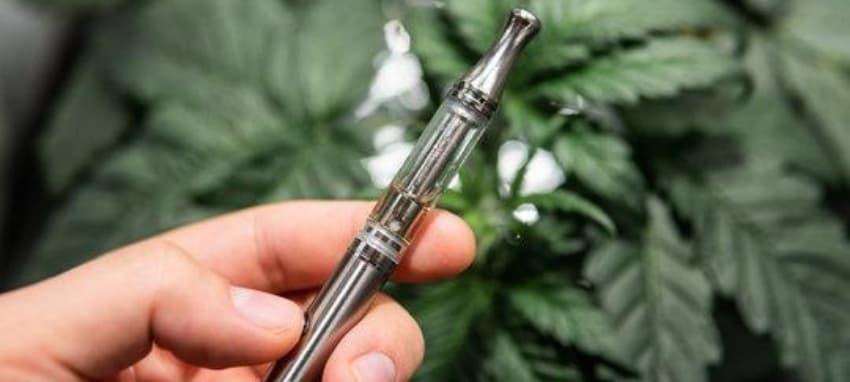
There are product- and liquid-specific risks: certain flavoring chemicals can form harmful byproducts when heated; metal particles can leach from coils; contaminated or illicit liquids can introduce unexpected toxins. For instance, vitamin E acetate was implicated in a cluster of severe lung injuries when added to illicit THC vape liquids; that episode underscores the hazards of unregulated supply chains.
Comparative risk: harm reduction perspective
Public health organizations commonly frame ENDS within a continuum of risk. For adults who smoke combustible cigarettes and cannot quit by other means, switching entirely to regulated ENDS may reduce exposure to many toxicants found in smoke. However, switching is not risk-free. The key comparative phrase often searched alongside brand names is are e cigarettes harmful to your health, and the best evidence to date suggests reduced but non-zero risk for exclusive adult smokers who switch completely.
Dual use patterns
Many users engage in dual use (both vaping and smoking), which diminishes any potential harm reduction benefit. Public messaging and clinical counseling should prioritize complete cessation of combustible tobacco rather than partial substitution.
Population-level outcomes
On a population level, the net public health impact of ENDS depends on complex dynamics: whether adult smokers use them as a transition away from cigarettes, whether youth initiation increases, and how regulations affect product safety and availability. These variables explain why authoritative answers to are e cigarettes harmful to your health often look cautious and conditional.
Practical, evidence-based tips for safer vaping
Whether you are evaluating E-cigaretta products or generic devices, the following practical measures are grounded in harm-reduction principles and consistent with clinical guidance. These tactics focus on reducing avoidable risks related to devices, liquids, and behavior. Where appropriate, we emphasize alternatives and clinical support for cessation.
Buy regulated products from reputable sources
Always purchase devices and liquids from trusted manufacturers and licensed retailers. Avoid illicit or homemade liquids. Counterfeit or uncertified products often lack safety testing and can contain contaminants. If you search for are e cigarettes harmful to your health, you will see that many acute injuries involved unregulated supply chains.
Choose sealed cartridges or validated refill systems
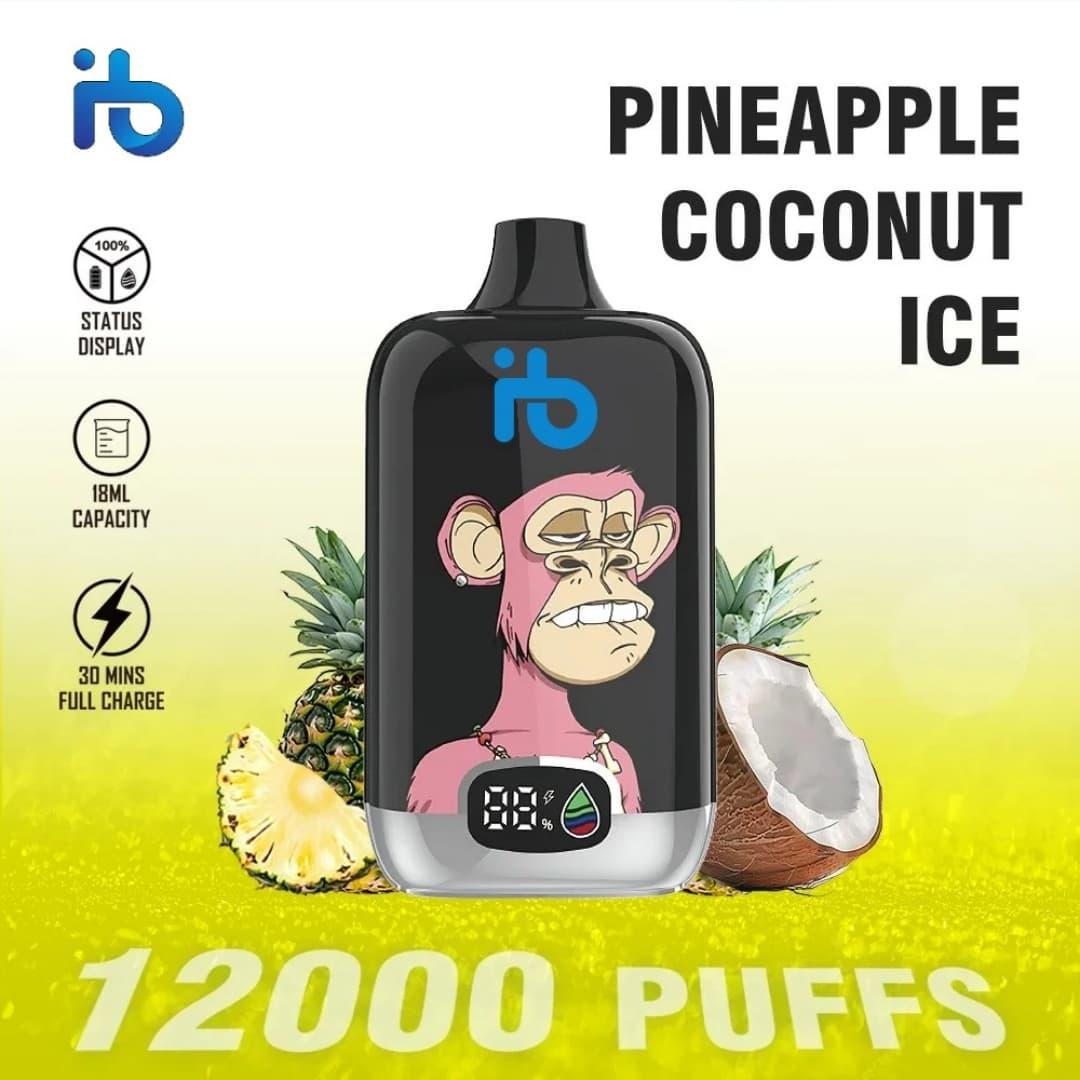
Disposables and closed pod systems manufactured by reputable brands typically reduce the risk of contamination and incorrect mixing. If you prefer refillable systems, use certified e-liquids and follow manufacturer instructions carefully.
Avoid risky additives and DIY solvents
Do not add unknown substances to e-liquids, including oils or carrier agents not explicitly approved for inhalation. The vitamin E acetate episode shows how additives intended for other uses can be dangerous when vaporized.
Prefer lower temperatures and temperature-controlled devices
Excessive heat can increase formation of harmful carbonyl compounds (formaldehyde, acetaldehyde) from propylene glycol and vegetable glycerin. Using devices with temperature control or variable wattage and avoiding “dry puff” conditions reduces thermal degradation and may lower exposure.
Manage nicotine strength responsibly
Match nicotine concentration to your goals. Higher nicotine strengths can maintain satisfaction and support switching for adult smokers, but they increase addiction risk in non-smokers and youth. If your goal is to quit nicotine entirely, plan a taper and consider behavioral support or proven cessation medications under clinician supervision.
Maintain clean equipment
Regularly change coils and clean tanks to minimize buildup of residues and decrease the chance of overheating. Follow manufacturer guidance on replacement intervals and battery care to prevent malfunctions and fires.
Be cautious with flavors
Flavored e-liquids improve acceptability for adult smokers trying to switch, but certain flavoring compounds may pose inhalation hazards. Favor products with ingredient transparency and avoid those with ambiguous flavoring chemicals. Clinicians and agencies often recommend caution about sweet and buttery flavors linked to diacetyl-like compounds.
Store and charge batteries safely
Use chargers recommended by the device maker, avoid extreme temperatures, and store batteries in secure cases when not installed in devices. Battery failures are preventable with proper handling.
Seek medical advice if you have health conditions
If you have cardiovascular disease, chronic lung disease, pregnancy, or other significant conditions, consult a healthcare professional before using ENDS. The question are e cigarettes harmful to your health is especially relevant for medically vulnerable groups.
Design and chemical features that influence risk
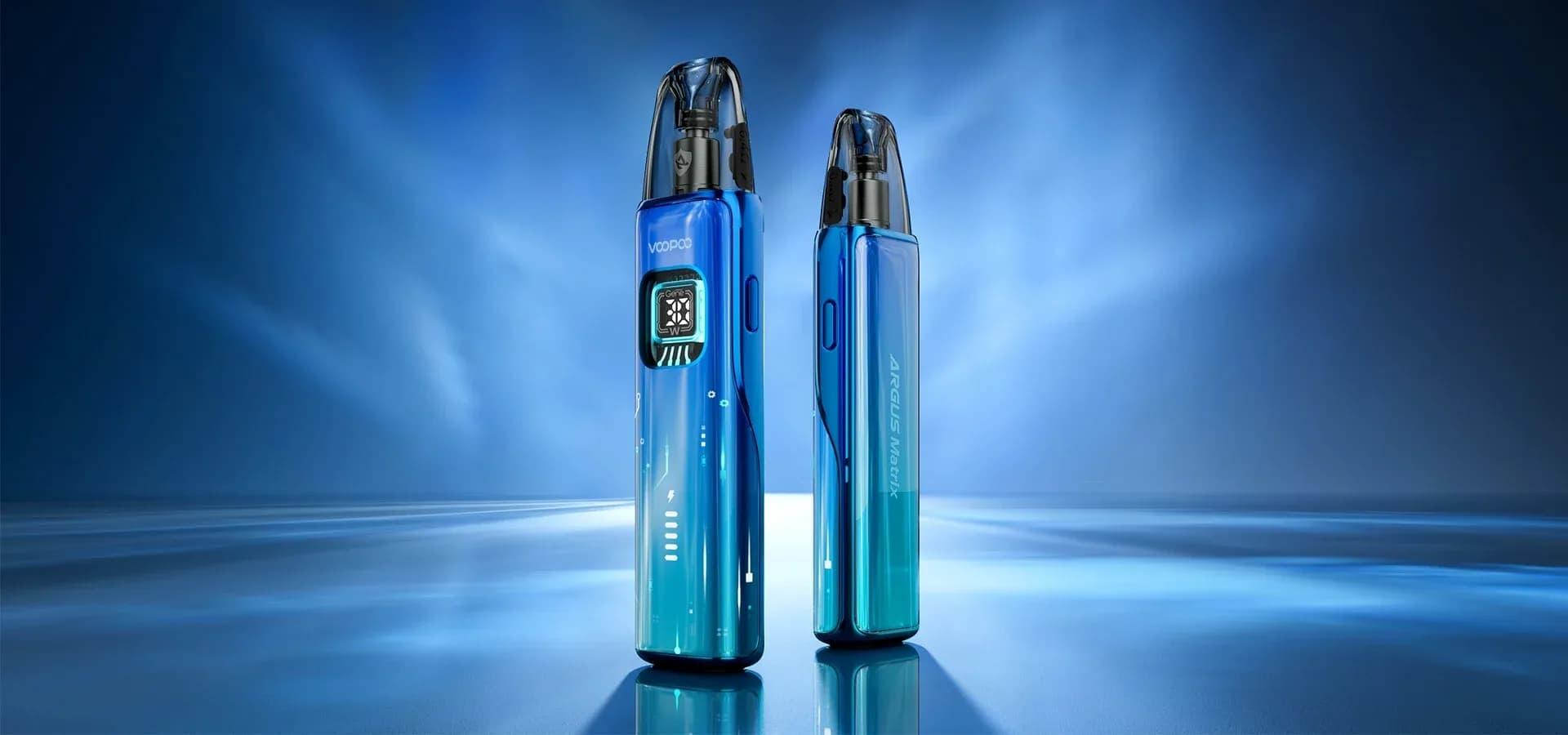
Not all devices or liquids are equivalent. Key design factors that affect exposure include coil material, wicking, power output, airflow design, and reservoir composition. Liquid chemistry—especially nicotine formulation (freebase vs. nicotine salts), propylene glycol/vegetable glycerin ratios, and added flavoring agents—also shapes aerosol characteristics. High wattage, poor wicking, and inappropriate coil-liquid pairing can cause overheating and increase harmful byproduct generation.
Metals and particulate exposure
Analytical studies detect metals like nickel, chromium, lead, and tin in some aerosols. While typically at lower concentrations than cigarette smoke, the long-term implications of chronic inhalation of metal-containing nanoparticles are under investigation.
Byproduct formation under common use
When glycerol and propylene glycol are heated, small amounts of reactive carbonyls can form. The formation rate is influenced by temperature and device behavior. Ensuring adequate wicking and preventing dry hits mitigates this risk.
Clinical guidance and public health messaging
Clinicians should individualize counseling: for an adult smoker unable to quit, a transition to a regulated ENDS may be discussed as a harm-reduction option; for youth and pregnant people, ENDS use should be discouraged. Healthcare providers should monitor nicotine dependence and offer evidence-based cessation resources. Public health messaging must balance potential benefits for current smokers with prevention strategies to limit youth initiation.
Regulatory approaches that improve safety
Regulatory levers that reduce harm include product standards for emissions and constituents, restrictions on marketing to youth, quality controls for ingredients, and post-market surveillance. Policies that reduce illicit markets and ensure product traceability also help prevent episodes like the 2019 EVALI outbreak linked to adulterated products.
Common misconceptions and clarifications
- Myth: Vaping is completely safe. Reality: While typically less harmful than smoking, vaping carries risks—especially for non-smokers and youth.
- Myth: All e-liquids are equivalent. Reality: Composition varies widely; transparency and testing matter.
- Myth: Nicotine-free vaping is harmless. Reality: Flavored aerosols and carrier solvents can still cause lung irritation and contain potentially harmful chemicals.
How to evaluate sources
Look for peer-reviewed studies, independent laboratory testing, regulatory safety reports, and consensus statements from reputable health bodies. Be wary of marketing materials and single-industry-funded studies that may overemphasize benefits without adequate disclosure.
Practical checklist for consumers
Use this checklist to reduce avoidable risks when using ENDS:
- Purchase from verified retailers and inspect packaging for safety marks.
- Prefer sealed or certified refillable systems.
- Use e-liquids with clear ingredient lists and lab testing.
- Avoid additives not intended for inhalation; do not use oils or homemade mixes.
- Regulate device temperature and replace coils regularly.
- Control nicotine strength according to goals and avoid nicotine initiation by youth.
- Follow battery safety and charging instructions.
- Seek medical guidance if you are pregnant, under 25, or have chronic disease.
SEO notes and keyword integration
To assist search visibility, this page includes repeated, contextually integrated occurrences of the brand term E-cigaretta and the informational query phrase are e cigarettes harmful to your health. These phrases appear in headings, strong emphasis spans, and descriptive text to align with common user queries and search engine algorithms without keyword stuffing. The content provides value and depth: an SEO-friendly combination of authoritative explanation, practical tips, and nuanced conclusions tends to perform better than shallow pages that simply repeat a question.
Examples where readers may search: “Is switching to an E-cigaretta device safer than smoking?” and “What evidence answers are e cigarettes harmful to your health?” This guide aims to satisfy informational intent by covering mechanisms, real-world risk modifiers, and actionable harm-reduction strategies.
Concluding perspective
In short, the best available evidence suggests that ENDS are not harmless but may offer reduced exposure to many toxicants compared with combustible cigarettes for adults who switch completely. The brand E-cigaretta and similar devices should be evaluated for manufacturing quality, ingredient transparency, and device controls. The central public-health challenge remains: maximize benefits for adult smokers while minimizing youth initiation and ensuring product safety through sound regulation.
If your personal goal is complete nicotine abstinence, the priority should be evidence-based cessation treatments and behavioral support. If your goal is to reduce harm from smoking, switching under supervision and choosing regulated products with careful behavior can lower certain exposures. For any user, adopting the practical, evidence-based tips above will reduce avoidable harms.
FAQ
Q: Does switching to an E-cigaretta eliminate all health risks?
A: No. Switching can reduce exposure to many combustion-derived toxicants, but it does not remove all risk. Some aerosol constituents and nicotine-related effects remain.
Q: For non-smokers wondering “are e cigarettes harmful to your health?”, is experimentation safe?
A: No. Non-smokers, particularly youth and pregnant people, should avoid ENDS because of addiction risk and potential unknown long-term inhalation effects.
Q: What immediate steps reduce risk if I choose to vape?
A: Use regulated products, avoid illicit liquids, control device temperature, replace coils as recommended, and store batteries safely. Seek clinical help to quit nicotine if desired.