Understanding vaping at live sporting events: guidance for fans
This comprehensive guide addresses two core concerns that often come up together in modern stadium conversations: first, the scientific and public-health question summarized by the query does e cigarette cause lung cancer; second, the practical issues fans of live football broadcasts — particularly those who follow trực tiếp bóng đá events — need to know about vaping risks when attending matches in person. The content below is designed to be SEO-friendly, readable, and actionable for spectators, family members, event organizers, and public-health minded readers. It balances science, on-the-ground policy, and fan etiquette, while keeping important keywords visible and contextually relevant for search engines and human readers alike.
Overview: what an e-cigarette actually emits and why that matters
Electronic nicotine delivery systems (ENDS), commonly referred to as e-cigarettes or vapes, produce an aerosol by heating a liquid containing nicotine, flavors, and other additives. That aerosol is not harmless water vapor. It can contain ultrafine particles, nicotine, volatile organic compounds, carbonyls (like formaldehyde and acetaldehyde), heavy metals (such as nickel and lead), and other potential toxicants. Understanding these constituents helps answer whether does e cigarette cause lung cancer is a question of both exposure and long-term effect. Researchers use both epidemiological studies and laboratory models to examine relationships between inhaled constituents and cancer risk.
Key aerosol components relevant to carcinogenesis
- Carbonyl compounds: Formaldehyde and acetaldehyde are known carcinogens or probable carcinogens. They can form during thermal decomposition of e-liquid ingredients.
- Volatile organic compounds (VOCs): Benzene and other VOCs have been detected in some aerosols and are associated with cancer risk.
- Metals: Trace amounts of metals from heating coils may be aerosolized and deposited in the lungs.
- Nitrosamines and other nitrosated compounds: Found in tobacco products and occasionally detected at lower levels in some e-liquids; some are carcinogenic.
- Oxidative stress and inflammation mediators: Repeated exposure can lead to chronic inflammation and DNA damage pathways implicated in cancer development.
What the science says about the cancer question
Short answer: the long-term cancer risk from e-cigarettes is still being characterized. The phrase does e cigarette cause lung cancer cannot be answered with a simple yes/no at this time because long-term population-level data are limited — widespread use surged relatively recently, and many cancers take decades to develop. However, mechanistic studies suggest plausible pathways for increased risk, and several studies report biological effects consistent with carcinogenic potential. Below are the major evidence lines.
Mechanistic and preclinical evidence
Cell culture and animal studies frequently detect DNA damage, oxidative stress, increased cell proliferation, and other changes after exposure to e-cigarette aerosols. These are hallmark processes of carcinogenesis. While animal models do not always translate directly to human clinical outcomes, they raise red flags when exposures produce molecular changes linked to cancer.
Epidemiology and human studies
Epidemiological data, which provide the strongest evidence for causation, remain limited for e-cigarettes because of the relatively short time since adoption. Some cross-sectional and case-control studies suggest associations between long-term vaping and respiratory conditions, and some cohort studies are beginning to track cancer incidence among users. Importantly, many e-cigarette users are current or former smokers, complicating attribution of lung cancer risk specifically to vaping. Researchers therefore focus on exclusive vapers and on biomarkers of exposure to separate effects.
Biomarkers and short-term human studies
Human biomarker studies show increased levels of oxidative stress markers, inflammatory cytokines, and DNA damage markers in some vapers compared to non-users. These intermediate indicators support biological plausibility that aerosols could contribute to cancer risk over time.
Translating evidence into practical advice for fans at trực tiếp bóng đá events
When attending a lively match or watching a trực tiếp bóng đá screening in a stadium, there are specific factors to consider: density of people, enclosed or partially enclosed venues, cheering and shouting (which increase inhalation of nearby air), and stadium policies. The following sections provide targeted recommendations for fans, stadium managers, and public health officers.
Risks from secondhand aerosol at crowded matches
Secondhand aerosol contains many of the constituents inhaled by the primary user, albeit at lower concentrations per exposure. In crowded stands, multiple users and limited ventilation can raise ambient levels. Vulnerable groups — children, pregnant attendees, people with asthma or COPD, and immunocompromised individuals — may experience immediate irritation and longer-term risks from repeated exposures. For trực tiếp bóng đá audiences who gather frequently or for long matches, minimizing secondhand exposure is prudent.
Stadium policies and legal considerations
- Many venues ban smoking and vaping indoors and in seating areas; others restrict it to designated outdoor zones. Check stadium rules before attending a match broadcast trực tiếp bóng đá.
- Local public-health regulations vary: some cities treat vaping the same as smoking; others have looser rules. Fans should be aware of local ordinances to avoid fines and to respect fellow spectators.
- Event organizers can create clear signage, enforce no-vaping zones, and provide education at ticket purchase points and on stadium websites to reduce disputes.

Practical tips for fans who vape and those who prefer to avoid secondhand aerosol
For vapers attending matches: Consider avoiding vaping in seating areas, especially near families and children; use the stadium-designated vaping areas (if available); respect requests from nearby fans; and remember that even nicotine-free e-liquids can produce harmful thermal byproducts. These courteous behaviors help preserve the match-day atmosphere and reduce potential health conflicts.
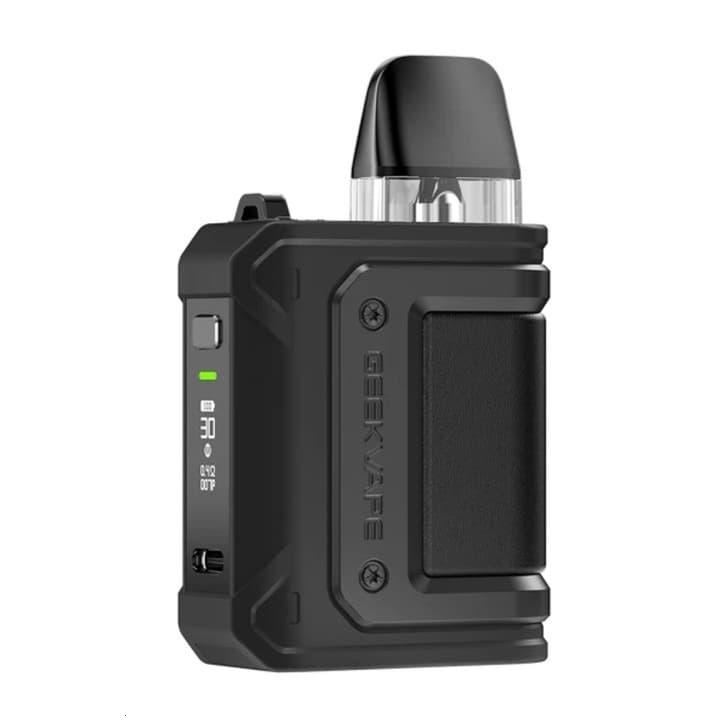
For non-vapers and concerned fans: Choose seating away from concourses where vaping is more likely; report repeated issues to stadium staff (avoid confrontations); use face coverings if strongly concerned about short-term irritants; and advocate for clear no-vaping policies at your club or venue.
Alternative strategies for fans
- Stadiums can improve ventilation and create outdoor-only smoking/vaping zones well away from seating.
- Clubs broadcasting trực tiếp bóng đá can run public-service announcements discouraging vaping during matches.
- Fan groups can promote “clean-air” sections for families, kids, and those with respiratory conditions.
Harm reduction: relative risk perspective
Public-health experts often discuss e-cigarettes in terms of harm reduction for current smokers. For an adult smoker who switches completely to e-cigarettes, many believe the transition may reduce exposure to some harmful combustion products found in cigarette smoke, but it is not necessarily harmless. If you are a non-smoker, especially a young person, starting to vape introduces avoidable exposure to nicotine and other toxicants. From a population health perspective, preventing initiation remains a priority. For existing smokers, evidence supports using licensed cessation tools under medical guidance as the most reliable route to reduce long-term cancer risks.
Special considerations for families and young fans at trực tiếp bóng đá events
Young people attending live matches are particularly sensitive to both direct and secondhand exposures. Nicotine can affect adolescent brain development, and early exposure may increase the risk of continuing nicotine dependence. Stadiums showing trực tiếp bóng đá matches often attract families; organizers should therefore maintain family-friendly, vape-free policies in seating areas, concourses near children’s sections, and hospitality suites where families gather.
What to look for in stadium communications and ticketing pages
Before buying tickets for a live match or a public viewing of trực tiếp bóng đá, check the venue’s: (1) smoking and vaping policy; (2) designated areas map; (3) rules for hospitality boxes and suites; and (4) enforcement procedures (e.g., staff removal, fines). Venues that provide clear, enforceable rules typically reduce conflicts and create safer air for all attendees.
How researchers and public health officials monitor long-term cancer risk
To answer the question does e cigarette cause lung cancer definitively, public health researchers are building multi-decade prospective studies that track exclusive e-cigarette users, exclusive smokers, dual users, and non-users. They combine self-reported data with biomarker sampling (e.g., urinary metabolites, blood markers of DNA damage) and link to cancer registries. Until such cohorts mature, policy decisions rely on precautionary principles, mechanistic evidence, and short-term biomarker data.
Key research actions underway
- Large cohort studies in several countries tracking vaping patterns and cancer endpoints.
- Improved exposure characterization using high-resolution aerosol chemistry.
- Comparative studies separating out dual-use effects versus exclusive use.
- Interventional studies testing the impact of stadium policies on secondhand exposure during live events.
Practical health advice and cessation resources
If you ask “does e cigarette cause lung cancer” because you currently vape and are worried, consider these steps:
- Talk with a healthcare professional about cessation options tailored to you. Proven tools include behavioral counseling, nicotine replacement therapy, and prescription medications — these have the strongest evidence for quitting combustible cigarettes and are helpful for vaping cessation when combined with support.
- Reduce dual use: avoid substituting some cigarettes with vaping while continuing to smoke; dual use may sustain risk.
- Set clear boundaries in social settings like trực tiếp bóng đá matches: choose not to vape in crowded seating, and opt for home or outdoor use where you minimize others’ exposure.
Summary and balanced conclusions
There is biological plausibility and early evidence suggesting that some components of e-cigarette aerosols could contribute to processes linked to cancer development. The definitive population-level answer to does e cigarette cause lung cancer awaits long-term longitudinal studies. Meanwhile, the prudent public-health stance is to discourage initiation among non-smokers, to encourage smokers to seek evidence-backed cessation tools, and to minimize secondhand exposure — particularly in high-density settings such as stadiums showing trực tiếp bóng đá matches. Event organizers, fans, and public-health officials can work together to create clear policies that protect vulnerable patrons while allowing informed adults to make personal decisions.
Checklist for fans attending live matches
- Before you go: review the venue’s vaping and smoking policy online.
- If you vape: restrict use to designated outdoor areas and respect family sections.
- If you are concerned: select seating away from concourses and report violations to staff.
- If you seek to quit: consult healthcare providers and use validated cessation supports.
SEO note: This article intentionally emphasizes keywords like trực tiếp bóng đá and does e cigarette cause lung cancer in headings and body text to improve discoverability for fans and public-health audiences searching about vaping risks at live matches. It uses structured headings (
,
,
), lists, and strong emphasis to aid both readers and search engines in understanding the scope and takeaways.
FAQ
Q1: Can occasional vaping at a match cause lung cancer?
A1: Occasional single exposures are unlikely to cause cancer by themselves; cancer is typically linked to repeated, long-term exposures. However, even occasional vaping can irritate airways and contribute to cumulative exposure to potential carcinogens. Avoiding vaping in crowded, poorly ventilated stadium areas reduces risk for you and nearby fans.
), lists, and strong emphasis to aid both readers and search engines in understanding the scope and takeaways.
FAQ
Q1: Can occasional vaping at a match cause lung cancer?
A1: Occasional single exposures are unlikely to cause cancer by themselves; cancer is typically linked to repeated, long-term exposures. However, even occasional vaping can irritate airways and contribute to cumulative exposure to potential carcinogens. Avoiding vaping in crowded, poorly ventilated stadium areas reduces risk for you and nearby fans.
A1: Occasional single exposures are unlikely to cause cancer by themselves; cancer is typically linked to repeated, long-term exposures. However, even occasional vaping can irritate airways and contribute to cumulative exposure to potential carcinogens. Avoiding vaping in crowded, poorly ventilated stadium areas reduces risk for you and nearby fans.
A2: Yes. Children are more susceptible to airborne irritants and toxins. Venues and parents should prioritize smoke-free and vape-free seating areas and enforce clear boundaries to protect young fans.
A3: Policies vary by jurisdiction and venue. Many modern stadiums adopt comprehensive smoke-free policies that also ban vaping in seating areas, but check the specific venue rules before attending a trực tiếp bóng đá match.
 trực tiếp bóng đá fans need to know about vaping risks at live matches” />
For up-to-date research and local regulations, consult public-health authorities and peer-reviewed journals. Responsible behavior and clear venue policies can make live matches safer and more enjoyable for everyone.