Understanding the Appeal of Nejlevnější e-cigareta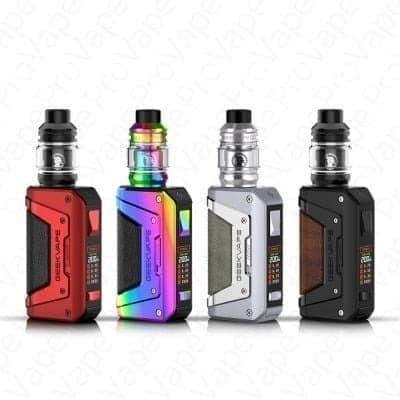 and Global Bans on E-Cigarettes
In recent years, the nejlevnější e-cigareta has surged in popularity, captivating users worldwide searching for affordable and convenient smoking alternatives. These electronic cigarettes, or e-cigarettes, offer users the experience of smoking without traditional tobacco combustion, which appeals to both smokers looking for harm reduction and newcomers intrigued by modern technology.
What Makes Nejlevnější E-Cigareta So Popular?
The increasing demand for budget-friendly vaping devices stems from several factors. First, the affordability of the nejlevnější e-cigareta attracts a broad demographic, particularly young adults and price-sensitive consumers. These devices generally provide a low-cost entry point into vaping, requiring minimal upfront investment compared to high-end alternatives.
Second, the convenience of e-cigarettes, including the lack of smoke odor and ease of use, adds to their appeal. Many users appreciate the ability to vape discreetly in places where traditional smoking is restricted, further boosting sales of the nejlevnější e-cigareta. Moreover, flavors and customizable nicotine strengths allow users to tailor their vaping experiences.

Why Are E-Cigarettes Banned in Many Regions Worldwide?
The popularity of e-cigarettes like the nejlevnější e-cigareta, however, has been met with stringent regulations and outright bans in various countries. Governments and health organizations remain concerned about the health implications and social impact of vaping.
Health Risks and Uncertainties
E-cigarettes contain nicotine, a highly addictive substance, which raises alarms about long-term dependency. Additionally, critics point out the uncertain health outcomes related to inhaling aerosolized chemicals and flavoring agents present in these devices. Though marketed as safer alternatives, conclusive scientific evidence on their safety is still emerging.
The Rise in Youth Usage
One of the most significant reasons many regions ban e-cigarettes is the alarming increase in use by minors and young people. The attractive packaging, variety of flavors, and perceived ‘safer’ profile have made vaping devices an entry point for nicotine addiction among adolescents.
Regulatory and Social Concerns
Authorities are worried about secondhand vapor exposure, potential gateway effects to traditional smoking, and the lack of standardized regulations. Variations in product quality and manufacturing standards have led to incidents of defective devices, sparking consumer safety concerns.
Despite these challenges, the market for nejlevnější e-cigareta continues expanding in jurisdictions where vaping remains legal. Consumers seek both price efficiency and variety, making affordable e-cigarettes a staple in the modern smoking culture.
Balancing Access and Safety Measures
Efforts to regulate e-cigarettes focus on restricting sales to minors, mandating clear health warnings, and controlling advertising practices. Some countries have opted for complete bans, while others embrace controlled legalization to mitigate health risks while offering adult smokers alternatives to combustible tobacco products.
Conclusion: Navigating the Dual Realities of E-Cigarettes
As the tension between the rising popularity of nejlevnější e-cigareta and institutional bans continues, stakeholders including consumers, health experts, and policymakers must carefully evaluate evidence and impact. The future of vaping will likely involve sustained innovation paired with evolving regulations aimed at safeguarding public health.
- Are all e-cigarettes equally harmful?
- The level of harm can vary depending on the device and liquids used; however, all contain some level of nicotine and potentially harmful chemicals.
- Why do some countries ban e-cigarettes completely?
- Bans are often due to concerns over youth uptake, health risks, and the lack of conclusive long-term safety data.
- Is the nejlevnější e-cigareta safe for former smokers?
- While it may be a less harmful alternative to smoking, absolute safety is not guaranteed, and users should exercise caution.