Understanding E-Cigarettes
E-cigarettes are battery-operated devices that heat a liquid—commonly referred to as e-liquid or vape juice—to produce an aerosol, often mistaken for smoke. The primary components include a battery, a cartridge or tank to hold the liquid, and an atomizer which vaporizes the liquid. Most e-liquids contain nicotine, flavorings, and other chemicals. The ability to choose flavors ranging from traditional tobacco to fruity and sweet options has contributed significantly to their popularity among users.
Reasons Behind the Surge
One of the key reasons for the rise of e-cigarettes is their perceived safety compared to conventional smoking. Supporters argue that vaping doesn’t involve the harmful combustion and tar that come with burning tobacco. Additionally, e-cigarettes offer convenience and the possibility of reducing or controlling nicotine intake, which has drawn considerable attention from smokers seeking to quit or cut down. The social aspect of vaping also adds to its appeal, making it a trendy and sometimes socially acceptable activity.
Popularity Among Younger Generations
E-cigarettes have gained substantial traction among younger demographics, primarily due to targeted marketing and the allure of flavors. The sleek designs and technological aspect make them appealing to tech-savvy teens and young adults. However, this trend raises concerns about nicotine addiction among youth, prompting regulatory measures aimed at controlling sales and marketing practices of e-cigarettes.
Health Implications and Concerns
Despite their widespread acceptance, e-cigarettes are not free from controversy. The long-term health effects are still under investigation, with some studies suggesting potential risks, including lung damage and cardiovascular issues. As research evolves, understanding these effects becomes crucial for regulatory bodies worldwide. It’s essential to approach e-cigarettes with caution and awareness of their potential impact on health.
- Regulation and Oversight
- Flavor Restrictions
- Age Limitations
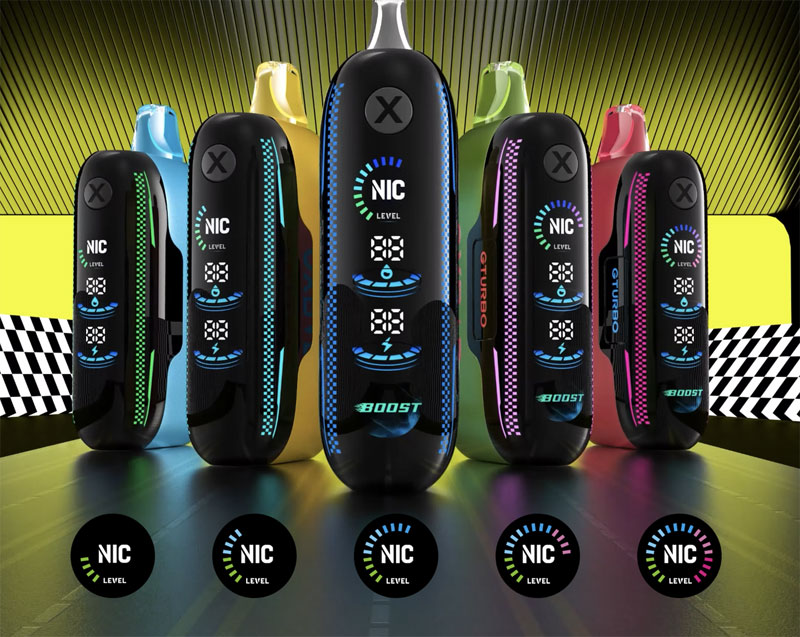
Regulatory agencies have started imposing stricter measures to oversee the sale and distribution of e-cigarettes. Flavored vape products, often blamed for attracting younger users, face restrictions. There are ongoing discussions about age regulations and enforcement to prevent underage vaping.
FAQs
Are e-cigarettes safer than traditional cigarettes?While e-cigarettes are believed to be less harmful due to the absence of combustion, they are not devoid of risks. The safest approach is not to consume nicotine products at all.
What are common e-liquid ingredients?E-liquids typically consist of nicotine, propylene glycol, vegetable glycerin, and flavorings. Users should be aware of these substances to make informed choices.
Can e-cigarettes aid in quitting smoking? Some individuals find them useful in managing nicotine addiction; however, quitting smoking entirely always requires a comprehensive approach, often with professional support.