In recent years, the field of smoking has experienced a groundbreaking shift with the advent of electronic cigarettes and smoke-free alternatives. This revolutionary change is reshaping how people perceive smoking, leading many to reconsider their choices. As traditional cigarettes continue to face criticism for their health risks, electronic cigarettes, also known as e-cigarettes, have emerged as a promising solution for individuals seeking a less harmful and odor-free smoking experience.
The Birth of Electronic Cigarettes
E-cigarettes were designed to simulate the experience of smoking without the traditional combustion of tobacco. Instead of burning tobacco, these devices use a battery to heat a liquid that typically contains nicotine and flavorings. This heated liquid turns into a vapor, which the user then inhales. Many smokers find this vapor more tolerable than smoke, and it can be less intrusive to non-smokers nearby.
Benefits of Switching to Electronic Cigarettes
Transitioning from conventional cigarettes to electronic cigarettes brings a number of advantages. Firstly, e-cigarettes drastically reduce exposure to the toxic chemicals found in tobacco smoke. This reduction can potentially lead to better overall health outcomes for users, though studies are still ongoing to fully understand the long-term effects of vaping. Moreover, the absence of smoke means less of an impact on the environment and reduced risks of secondhand smoke exposure to others.
Electronic cigarettes are not only about health benefits; they offer flexibility and a personalized experience. Users can choose from a wide array of flavors, ranging from classic tobacco to exotic fruit blends, making vaping both a functional and enjoyable activity. Additionally, the various designs and customizable options allow users to tailor their devices to match personal preferences and style.
Challenges and Considerations
Despite their popularity, e-cigarettes are surrounded by debates and controversies. Critics argue about nicotine addiction and potential adverse effects, especially concerning young users. It’s crucial for consumers to make informed decisions, understanding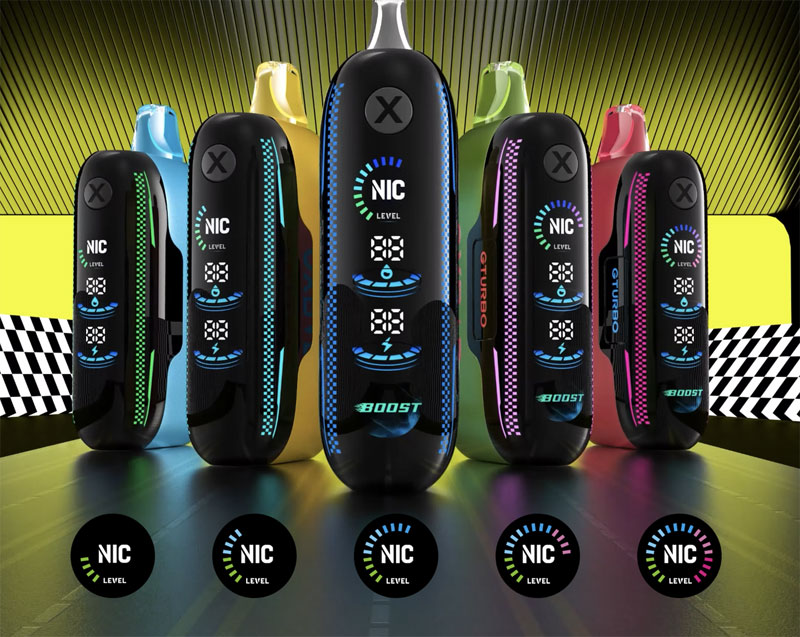 the nicotine content and potential health implications.
Another concern is regulation. As the market grows, governments worldwide are working to establish laws to oversee the sale, marketing, and use of e-cigarettes to ensure consumer safety while preventing access to minors. So, responsible vaping not only lies in individual choices but also in business and governmental practices.
The Future of Smoking Alternatives
 The trajectory of smoking alternatives seems promising as technology continues to advance. Innovative designs and improved safety features are paving the way for even more effective and reliable products. Researchers are exploring even more novel methods of reducing smoking-related harm, such as heat-not-burn products.
Smoke-free alternatives are making a significant impact by offering modern solutions without the downsides of traditional smoking habits. It’s important for consumers to remain educated and vigilant about their choices, ensuring that their pursuit of a healthier lifestyle doesn’t compromise safety.
FAQs
- What are the main differences between traditional cigarettes and electronic cigarettes? Traditional cigarettes involve burning tobacco, which releases harmful chemicals, while electronic cigarettes heat a nicotine-containing liquid without combustion, producing vapor instead of smoke.
- Are electronic cigarettes safer than regular cigarettes? While generally perceived as safer than smoking traditional cigarettes due to lower exposure to harmful substances, e-cigarettes still contain nicotine and other chemicals that may pose risks.
- Can electronic cigarettes help you quit smoking? Some people use e-cigarettes as a tool to quit smoking, but it varies by individual. Consulting with a healthcare professional is recommended for those looking to decrease or stop nicotine use.
The realm of electronic cigarettes offers an innovative path, encouraging smokers to explore alternatives that align more closely with their health and lifestyle goals.