Understanding Vape Pens and E-Cigarettes: Safe Choices in a Rapidly Evolving Market
The increasing popularity of Vape Pens and the widespread adoption of e-cigarettes have reshaped the landscape of nicotine consumption in recent years. Consumers searching for alternatives to traditional smoking often encounter discussions surrounding safety, health research, and regulatory oversight. In this comprehensive guide, we delve into the intricacies of Vape Pens, referencing notable perspectives and findings from organizations like cancer research uk e cigarettes initiatives.
What Are Vape Pens? An Essential Introduction
At their core, Vape Pens are compact, battery-powered devices designed to vaporize liquids, known as e-liquids or vape juices. Unlike combustible tobacco products, these pens heat the liquid into inhalable vapor without actual combustion. Their portability and variety have made Vape Pens especially appealing amongst younger demographics and those looking to quit traditional tobacco.
Components and Features of Modern Vape Pens
- The Battery — Power source of the pen, typically rechargeable.
- The Atomizer — Responsible for heating the e-liquid into vapor.
- The Mouthpiece — Designed for ease of use and comfort.
- The Tank/Cartridge — Holds the e-liquid, with options for refillable and disposable versions.
Examining Safety: Insights from Cancer Research UK E Cigarettes
Regulatory bodies and leading health organizations, including cancer research uk e cigarettes programs, actively monitor the safety profile of vaping devices. According to comprehensive studies, Cancer Research UK acknowledges that e-cigarettes—when compared to smoking—are decidedly less harmful, primarily due to the absence of tobacco combustion.
However, it is important to note that “less harmful” does not equate to “safe.” E-liquids used in Vape Pens may contain nicotine, flavorings, and other chemicals not entirely without risks.
Nicotine: While e-cigarettes eliminate many carcinogens in tobacco smoke, nicotine remains highly addictive.
Other Chemicals: Some e-liquids contain substances like diacetyl, known to affect respiratory health, though reputable brands increasingly exclude such additives.
Comparisons: Vape Pens Versus Traditional Cigarettes
One of the central questions asked by consumers and researchers alike is whether Vape Pens offer a considerably safer alternative to classic smoking. The pivotal research by cancer research uk e cigarettes programs highlights several points:
- Fewer Toxins — Vape Pens generally expose users to fewer carcinogens and toxic substances.
- Lower Cancer Risk — By avoiding combustion, vapers significantly reduce the risk factors associated with smoking-related cancers.
- Secondhand Exposure — The aerosols emitted from e-cigarettes contain fewer harmful compounds than tobacco smoke, though are not free of risk.
Latest Scientific Insights into Vape Pens and E-Cigarettes
Recent years have witnessed an explosion in vaping research. Cancer Research UK, among other institutions, continually assesses the health implications and market changes. Here are some of the standout findings:
- Smoking Cessation: Vape Pens are statistically helpful for those attempting to quit smoking, often more effective than nicotine patches or gum.
- Youth Uptake Concerns: Flavors and sleek designs attract younger non-smokers, raising questions about potential addiction and future health impacts.
- Nicotine Delivery Efficiency: Advancements in technology mean modern Vape Pens deliver nicotine more reliably, which, though beneficial for transition from smoking, presents its own challenges regarding dependence.
- Long-term Safety: Ongoing studies seek to clarify the full spectrum of health effects over decades of use. Initial data suggest a marked reduction in severe risks, especially compared to cigarettes, yet emphasize caution for non-smokers.
Regulatory Perspectives: How Cancer Research UK E Cigarettes Shape Public Health Policy
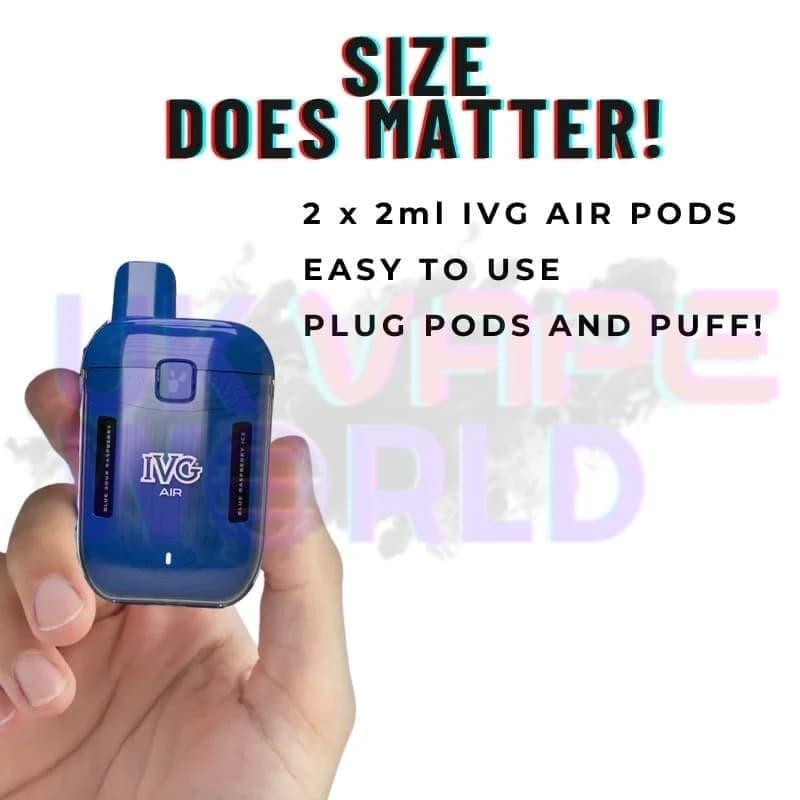
Government agencies and advocacy institutions rely on extensive data from groups like cancer research uk to inform regulations. Groundbreaking UK policies, heavily influenced by such research, include:
- Promotion of e-cigarettes for harm reduction: The UK supports the use of e-cigarettes as part of public health campaigns aimed at reducing smoking rates—contrasting global restrictions.
- Strict Standards: Regulations ensure all Vape Pens marketed in the UK are manufactured to minimize toxic exposure, and packaging must disclose all ingredients.
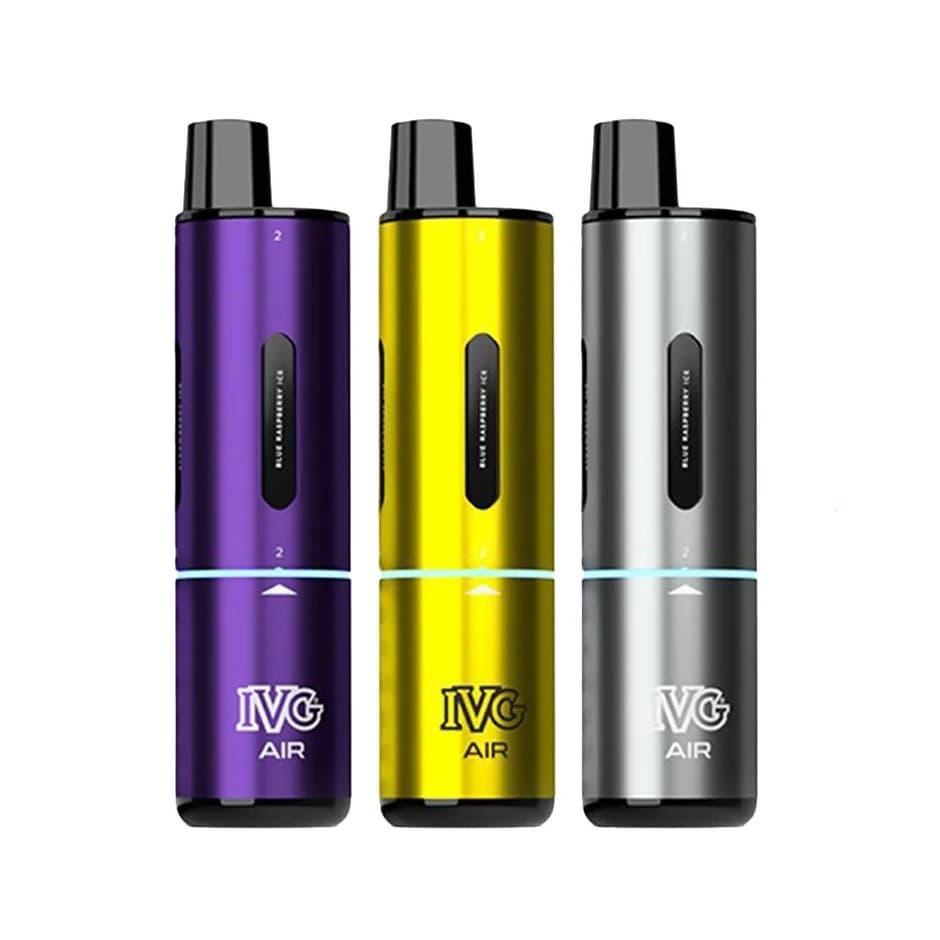 Vape Pens and cancer research uk e cigarettes Exploring Safe Choices and Latest Insights” />
Choosing Safe Vape Pens: What to Look For
Selecting a safe Vape Pen requires awareness, research, and scrutiny. Here are critical guidelines for safety-minded buyers:
- Brand Reputation: Purchase products only from established, trusted brands adhering to health and safety standards, many listed by cancer research uk e cigarettes partners.
- Ingredient Transparency: Choose e-liquids with clear labeling, avoiding unknown or untested additives.
- Device Certification: Ensure devices are certified by relevant authorities and comply with EU or UK safety laws.
- Avoid Black Market Products: Illicit or counterfeit Vape Pens pose significant health risks due to unregulated manufacturing processes.
Best Practices for Using Vape Pens Responsibly
While switching to Vape Pens may reduce the harmful impact of tobacco, responsible use is crucial. Cancer research uk e cigarettes emphasize the importance of the following:
- Always read device manuals thoroughly before use.
- Keep devices clean and replace coils regularly to prevent buildup of harmful substances.
- Monitor nicotine intake to avoid developing or sustaining addiction.
- Store Vape Pens and e-liquids out of reach of children and pets.
Vaping and Cancer: Addressing Common Misconceptions
The relationship between Vape Pens and cancer continues to be a focal point. Contrary to earlier skepticism, cancer research uk e cigarettes data demonstrate that:
- Vape Pens, when used as directed, do not expose users to the array of carcinogens found in tobacco smoke.
- There is no concrete evidence directly linking vaping to cancer, though caution remains for long term or excessive use.
Nonetheless, prudent users maintain vigilance as more research emerges, especially regarding flavorings and vapor by-products.
The Role of Cancer Research UK in Shaping Knowledge on E-Cigarettes
As a leading authority, Cancer Research UK continuously investigates both the risks and promise of e-cigarettes. Their public education efforts emphasize harm reduction, policy advocacy, and transparent communications. Most notably, their website presents regularly updated information, comparing traditional smoking risks with vaping outcomes, and guiding both users and health professionals.
Latest Innovations and Future Trends in the Vaping Industry
Technological evolution has brought forth safer, more customizable Vape Pens. The market increasingly features innovations like temperature control, child-safe locks, and leak-proof cartridges. Providers are responding to the research disseminated by cancer research uk e cigarettes programs, producing devices tailored to minimize risk and maximize cessation support.

Balancing Risks and Benefits: The Informed Consumer’s Approach
For those seeking to transition away from traditional tobacco, Vape Pens appear to offer a generally safer route, a view supported by cancer research uk e cigarettes literature. New users are encouraged to research thoroughly, consult healthcare professionals, and remain conscientious of emerging evidence as the science progresses.
Community Support and Guidance
Engaging with user forums, professional health services, and organizations like Cancer Research UK ensures that vape users stay updated on safety, technology, and personal wellness. Online resources can provide troubleshooting tips, ingredient databases, and peer support for those aiming to quit smoking permanently—amplifying the positive potential of Vape Pens.
Final Thoughts: The Ongoing Quest for Safe Nicotine Alternatives
With evolving research and ongoing public health discussions spearheaded by cancer research uk e cigarettes initiatives, the landscape of Vape Pens continues to expand in both safety features and user awareness. Consumers are urged to stay educated, exercise caution, and use these technologies for their intended harm reduction purposes.
The best choices are those backed by scientific proof, robust regulations, and open communication from researchers and manufacturers alike.
FAQ
- Are Vape Pens safe compared to cigarettes?
Current research, including that from cancer research uk e cigarettes programs, suggests that Vape Pens present substantially reduced risks compared to cigarettes, though not zero risk. - Can Vape Pens help with quitting smoking?
Yes, many studies show Vape Pens are an effective tool for smoking cessation, often more so than other nicotine replacement therapies. - Is it safe for non-smokers to start vaping?
Experts, including Cancer Research UK, advise non-smokers not to begin vaping, as it may lead to nicotine addiction and unknown health effects over time. - Do e-cigarettes cause cancer?
There is no direct evidence linking e-cigarettes to cancer, but long-term research is ongoing. Vaping is considered much less hazardous than smoking tobacco.