How a New Wave of Vape Products Is Changing Retail Strategy
The landscape for electronic nicotine delivery has been shifting rapidly and retailers who sell vapor products must adapt to a combination of product innovation and evolving legal frameworks. In this long-form guide we’ll examine the characteristics of a disruptive product family—referred to here as IBvape E-Zigaretten—and explain how understanding uk e-cigarette regulation helps merchants stay compliant, competitive and profitable. The purpose of this analysis is pragmatic: to outline compliance checkpoints, merchandising tactics and operational safeguards so independent stores, multi-store chains and online sellers can respond to change in ways that reduce risk and increase customer trust.
Market context and regulatory pressure
Across the UK, regulations shaped by the Tobacco and Related Products Regulations and TPD-derived rules have set clear boundaries on product design, labelling and sale. These policy foundations mean that any viable product family—whether marketed with Germanic labels like E-Zigaretten or localized English names—must meet performance, packaging and information standards. Terms like nicotine concentration ceilings, refill container limits and child-resistant closures are now table stakes. Retailers who learn these constraints quickly can shape inventory and marketing strategies accordingly.
What makes some devices disruptive?
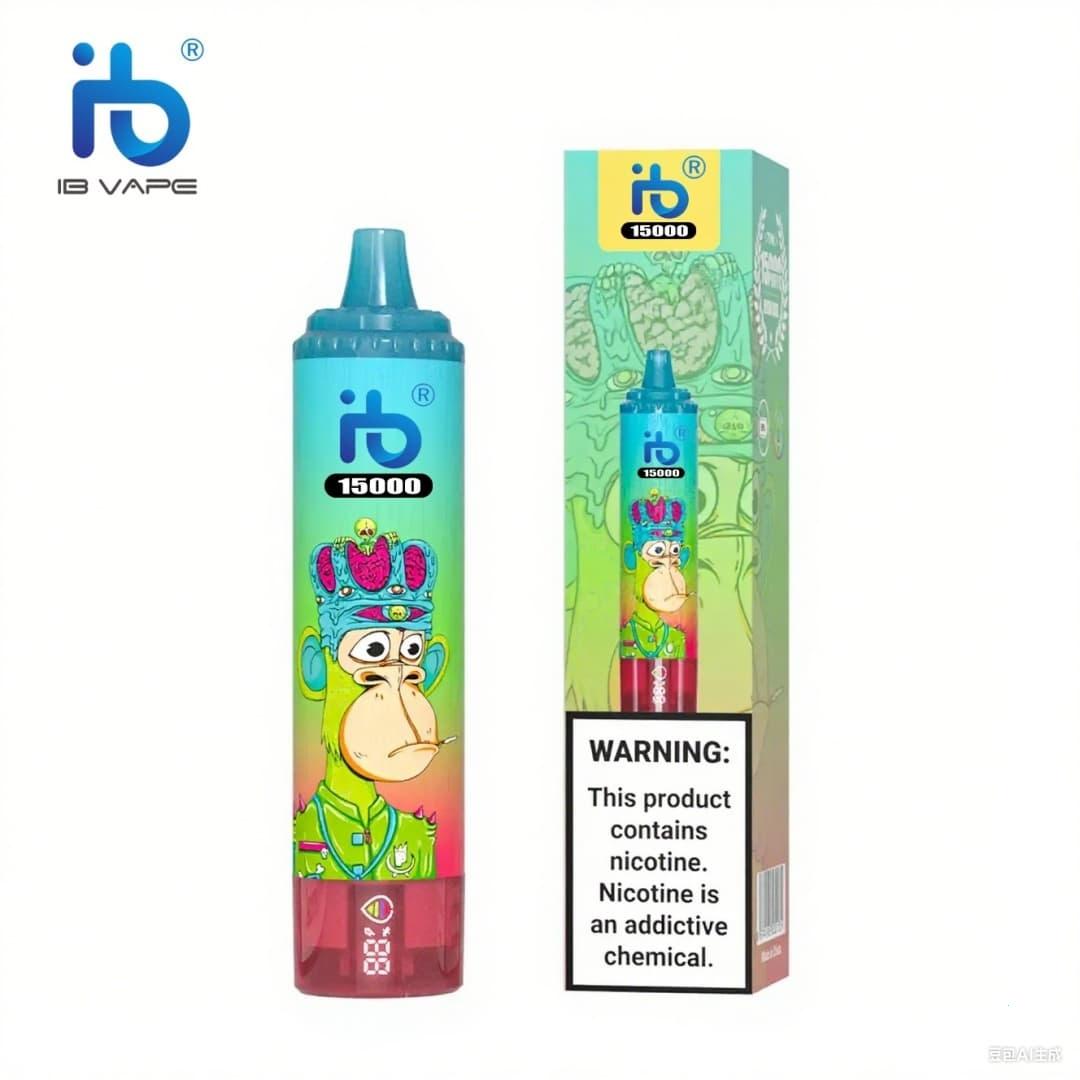
Product families that gain traction do so for practical reasons: consistent throat hit, reliable battery life, a range of flavors, and predictable emissions. The products categorized as IBvape E-Zigaretten frequently combine high manufacturing quality with accessible price points and modular accessories, which encourages both repeat purchases and accessory sales. From a retail perspective, they create opportunities to upsell coils, chargers and protective cases while providing consumers with a sense of brand continuity.
Key product attributes to evaluate
- Build quality and safety certifications: Evidence of laboratory testing, battery protection features and leak-resistant designs.
- Nicotine solutions and compliance: Concentration labels and refill sizes that align with uk e-cigarette regulation.
- Packaging and labelling: Child-resistant packaging and concise health warnings that meet legal requirements.
- After-sales support: Warranty, clear instructions and a real-world returns policy.
- Supply chain transparency
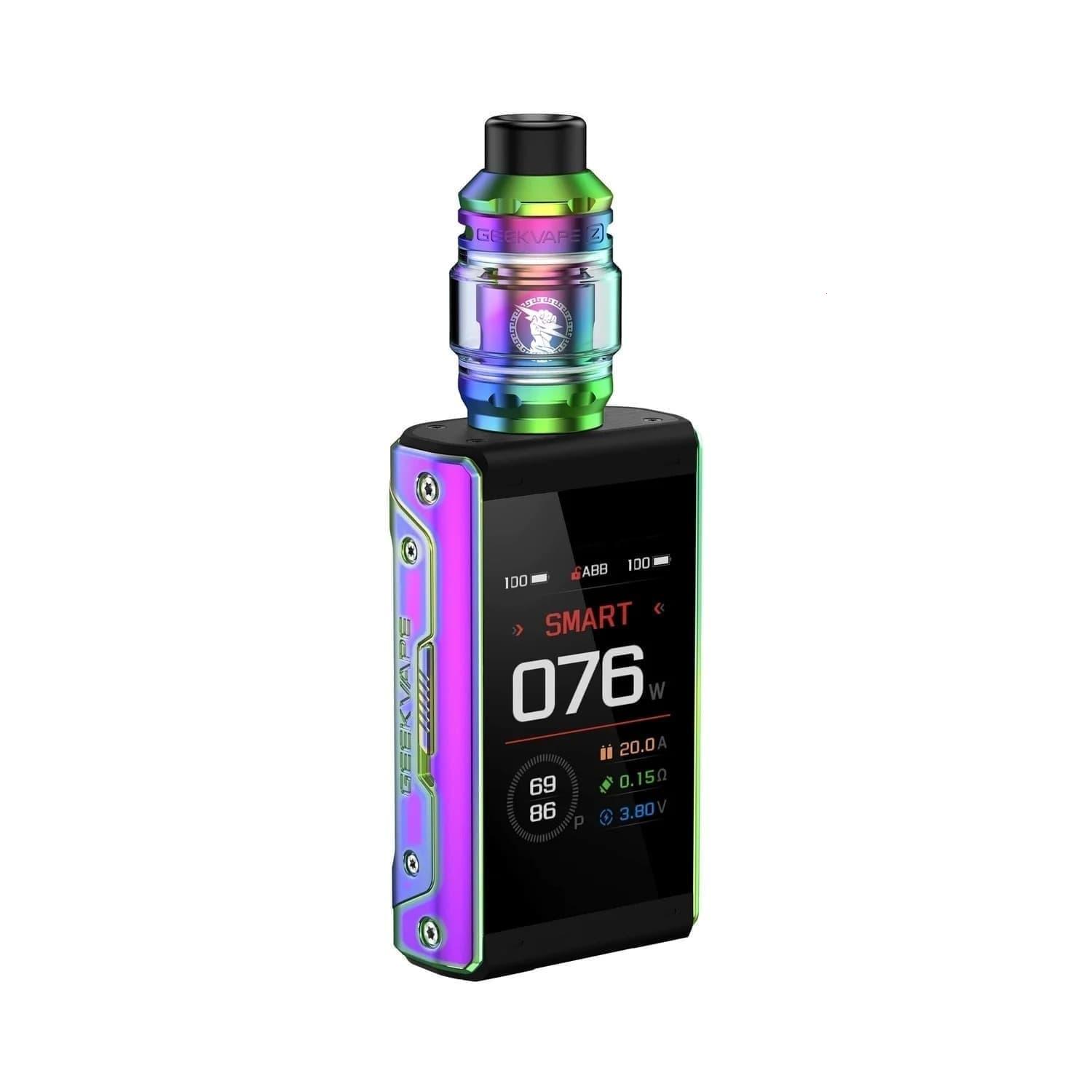 IBvape E-Zigaretten Are Rewriting the Market under uk e-cigarette regulation and How Retailers Can Respond” />: Traceable manufacturing locations and batch records to help with recall management if needed.

Merchants should prioritize suppliers who demonstrate an understanding of statutory demands because it reduces the risk of non-compliance that could trigger fines or product seizure.
Compliance checklist for retailers
Whether you operate a brick-and-mortar shop or an e-commerce site, the following practical checklist will help you align daily operations with regulatory obligations and commercial best practices:
- Verify product notifications and registrations: Confirm the manufacturer or importer has completed any required product notifications with the competent UK authority and keep copies of documentation.
- Confirm nicotine and container limits: Verify that nicotine strengths and refill container volumes meet applicable caps and that labelling describes nicotine content accurately.
- Check packaging requirements: Child-resistant caps, tamper evidence and standardised health warnings must be present where required.
- Age verification protocols: Train staff and implement robust online age-gates to prevent underage sales; keep records of staff training.
- Track product batches and incidents: Maintain a simple log to record batch numbers, supplier contacts and any safety incidents for rapid response.
- Advertising and promotions: Avoid marketing tactics that imply health benefits or target minors; follow local guidance on placement and messaging.
Merchandising and assortment strategy
From an inventory standpoint, stocking a balanced range of products from entry-level refill pods to more advanced modular systems will maximise customer lifetime value. Because IBvape E-Zigaretten style products often come in multiple flavors and accessory variations, retailers should categorise SKUs using clear metadata—flavor profile, nicotine strength, device type, and compatibility—so staff and customers can make informed choices quickly. Digital shops should mirror this structure in product filters and description fields to improve conversion and organic search visibility.
Content and SEO tactics around vape products
Search visibility for vaping products is sensitive: many platforms limit or restrict ad placements, so organic search is critical. Pages that target phrases like IBvape E-Zigaretten and uk e-cigarette regulation should include authoritative content, frequently updated compliance notes and structured data where allowed. Use H2 and H3 headings to organize legal summaries, user guidance and product comparisons. Provide long-form buyer guides, safety FAQs, and troubleshooting tips that answer real customer questions to reduce returns and customer inquiries. Internally link to age verification pages and clear shipping policy documents to minimise friction and demonstrate compliance to both users and search engines.
Pricing, promotions and legal guardrails
Promotional activity for nicotine-containing products often has specific legal constraints and platform policy restrictions. Avoid price promotions that could be interpreted as encouraging over-consumption; instead use legal, compliant tactics such as bundle discounts on accessories, loyalty points for verified adults and informational incentives like free safety leaflets with purchases. Document all promotional materials and review them for compliance before deployment.

Operational playbook for in-store staff
Well-trained staff are a retailer’s best defense against accidental non-compliance. Practical steps include: ID-check scripts, refusal-of-sale protocols, how to log suspicious identification, protocols for handling returns and exchanges, and escalation paths for product concerns. Create laminated quick-reference guides that summarise the regulatory essentials and store policies so staff can act confidently at point of sale.
Online selling: verification, delivery and payment
For online merchants, age-gating technology and careful courier selection are critical. Implement a multi-factor age-verification workflow at checkout and require adult signature on delivery where lawfully permitted. Display packaging disclaimers and ensure shipping partners accept deliveries of nicotine-containing products. Payment processors sometimes restrict transactions for tobacco-related products; therefore, maintain an open dialogue with your payment provider and ensure your merchant category code is appropriate and compliant with their terms.
Inventory risk management and recalls
Supply volatility and occasional product-level safety issues mean that retailers need to be prepared: keep supplier contact information readily available, maintain a recall-ready inventory system that can isolate batches quickly, and train staff to respond consistently to customer inquiries about suspected defects. If a supplier cannot provide satisfactory batch traceability, reduce exposure or drop the supplier entirely.
Customer education as a business differentiator
Retailers who invest in customer education often see higher retention and fewer returns. Create accessible content that clarifies how to use devices safely, how to interpret nicotine labels and why regulated packaging matters. Offer in-store demonstrations for non-nicotine accessories, and publish short videos or diagrams that walk customers through coil replacement, charging safety and storage recommendations.
Legal and reputational risks to monitor
Aside from formal penalties, retailers face reputational damage from selling products perceived as unsafe or from failing to prevent youth access. Implement social listening and customer feedback mechanisms to spot emerging concerns. Work with legal counsel or trade associations to stay informed about upcoming policy changes and to participate in consultations where possible.
Supplier due diligence checklist
When evaluating new suppliers, ask for: certificates of conformity, lab test reports for emissions and nicotine content, material safety data sheets (MSDS) for e-liquids, evidence of child-resistant packaging testing, and sales references from other UK retailers. Prefer suppliers who willingly share documentation and who have responsive after-sales support. These attributes reduce friction and help demonstrate compliance if regulators request records.
Case study-style scenario planning
Imagine a local shop that introduces a popular compact pod system branded similarly to IBvape E-Zigaretten. If the retailer verified notifications, trained staff on age checks and limited online descriptions to factual product specifications, the introduction can increase basket size and generate cross-sales. By contrast, if the same shop relied on vague claims or neglected labelling checks, they expose themselves to inspection risk. Scenario planning like this helps retailers test internal controls before scaling product launches.
Integrating safety into brand messaging
Safety-first messaging builds trust. Use product pages to highlight testing certifications, safe-handling tips and explicit age-restriction notices. Employ short-form content such as quick FAQs or icons that communicate legal compliance instantly. These small signals can improve conversion among cautious buyers and reduce support burdens.
How trade organisations and local networks help
Joining trade bodies, local retail associations or industry compliance groups provides valuable updates and peer benchmarking. These networks can supply templates for age-verification policies, sample recall procedures and summaries of regulatory changes, giving small retailers access to resources often available to larger chains.
Practical next steps checklist for retailers
- Audit current SKUs for documentation and regulatory conformity.
- Train staff with a one-page sales compliance checklist.
- Review online product pages and update them with explicit compliance language and internal links to terms of sale.
- Establish a single folder for supplier certificates and batch notices.
- Implement or improve age-verification workflows online and in-store.
- Set up an incident log to capture product complaints, returns and supplier responses.
Why consumers care about compliance
Many adult vapers choose regulated products because they seek consistent dosing, transparent ingredients and predictable performance. Retailers that foreground compliance not only reduce legal risk but also strengthen customer loyalty by providing peace of mind. Clear, factual information about products and policies creates a reputation for trustworthiness—a significant commercial advantage in a crowded market.
Balancing innovation and regulation
Product innovation will continue but so will regulation. Smart retailers view rules not as obstacles but as guardrails that protect customers and create a level playing field. By aligning product selection and store practices with legal requirements, retailers can offer innovative products—such as the ones classified here as IBvape E-Zigaretten—without sacrificing compliance.
Final considerations
Retailers willing to invest in supplier due diligence, staff training and clear online messaging are best positioned to capitalise on market shifts. Keep compliance documentation organised, prioritise customer safety and build content that answers buyer questions clearly. Doing so reduces exposure to enforcement action and increases customer confidence in the long term.
Resources and tools
Suggested practical resources: supplier audit templates, staff training checklists, age-verification software comparisons and a recall-response checklist. Use these tools to operationalise the compliance points in this guide. Wherever possible, consult legal experts for jurisdiction-specific advice and double-check any regulatory citations with official government sources.
Additional reading and content ideas for SEO
To improve organic visibility for queries related to IBvape E-Zigaretten and uk e-cigarette regulation, publish: updated buyer’s guides, compliance summaries, supplier interviews, and consumer safety explainers. Use canonical tags and well-structured headings to make pages crawlable and easy to navigate.
Disclaimer: This guide is educational and designed to help retailers think through practical steps. It is not legal advice. For definitive compliance guidance consult the official regulatory authority or qualified counsel.
Frequently Asked Questions
- Q: How often do regulations change and how can I stay updated? A: Regulation evolves incrementally; subscribe to trade association updates, government newsletters and set up a simple monitoring routine to review legal notices quarterly.
- Q: What are the most common compliance failures shops face? A: The most common issues include inadequate age-verification, incomplete supplier documentation, incorrect labelling and promotional content that makes health claims.
- Q: Can I sell international brands in the UK market? A: Yes, if the product conforms to local regulations and the importer can supply necessary notifications and documentation; verify these before listing.