In recent years, the rise of e-cigarettes has captured the interest of many individuals seeking alternatives to traditional smoking. However, there remains a growing concern about the potential dangers associated with e-cigarette liquid. Understanding these risks is crucial for users and non-users alike. The e-cigarette industry, while popular, still harbors hidden dangers, particularly concerning the liquid used within these devices.
What Makes E-Cigarette Liquid Dangerous?
The primary components of e-cigarette liquid include nicotine, flavorings, and various chemicals. Nicotine is an addictive substance that poses significant health risks, affecting the developing brains of teenagers and potentially leading to dependency. Beyond nicotine, flavorings and other chemicals can also pose health risks. Some flavorings contain diacetyl, a chemical linked to severe respiratory diseases like “popcorn lung”. Furthermore, e-liquids can contain traces of harmful metals and other contaminants, which when inhaled, could lead to long-term health hazards. The risks amplify when considering the unpredictability of the synthesis of these liquids, as each brand might contain varied concentration levels.
Chemical Composition and Health Effects
Analyzing the chemical composition of e-cigarette liquids reveals a myriad of health threats. Propylene glycol and vegetable glycerin are common bases in these liquids; these compounds, while generally safe for ingestion, can produce harmful effects when vaporized and inhaled regularly. The long-term inhalation can result in airway irritation and inflammation. While e-cigarettes are marketed as a safer alternative to traditional smoking, the lack of complete disclosure of ingredients often leads consumers to unknowingly inhale potentially harmful substances.
- Respiratory and Cardiovascular Issues: The aerosol produced by e-cigarettes contains ultrafine particles that can be inhaled deep into the lungs, leading to respiratory issues. Moreover, nicotine affects cardiovascular health by increasing heart rate and blood pressure levels.
- Potential for Addiction: Perhaps one of the most concerning aspects is the addictive nature of nicotine, prevalent in e-cigarette liquids. This can lead to prolonged usage, which perpetuates the cycle of harm over time.
Regulations and Safety Measures
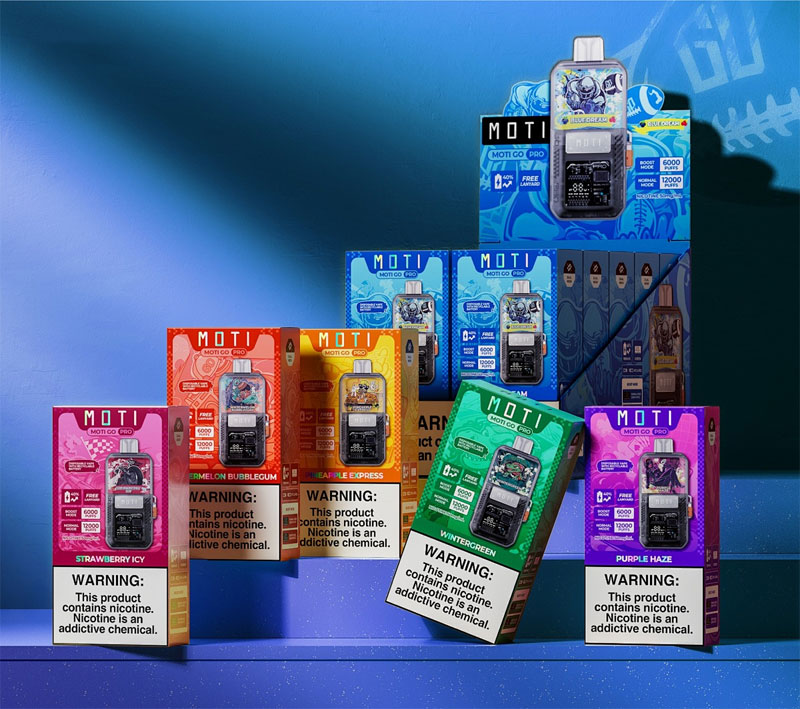
With growing evidence of these dangers, regulatory bodies have started implementing safety measures to protect consumers. However, these regulations vary significantly across different regions. Some countries mandate strict labeling of nicotine content and ingredients, whereas others have looser restrictions, creating a landscape rife with uncertainty. For individuals considering e-cigarettes, understanding and scrutinizing the labeling and contents of e-liquid products becomes vital. Moreover, as e-cigarette technology evolves, manufacturers must be held accountable for ensuring safety standards are met consistently.
The Impact on Non-Smokers
E-cigarette liquid dangers are not confined solely to users. Second-hand exposure remains a significant risk factor for non-smokers, particularly children and pregnant women. The vapors emitted can carry traces of nicotine and other chemicals, posing health risks to those nearby. This raises concerns about the impact on indoor air quality and public health, necessitating the need for awareness and additional measures to protect vulnerable populations.
In conclusion, while e-cigarettes may offer a transitional means away from traditional smoking, they are not without their hidden dangers. The complexity of e-cigarette liquids underscores the importance of being informed and cautious. Continued research and transparent regulations will lead to a better understanding and management of the risks involved.


FAQs
Q: Are e-cigarettes less harmful than traditional cigarettes?
A: While e-cigarettes eliminate combustion, reducing some harmful chemicals found in traditional smoking, they still pose significant health risks due to the components of the e-liquid.
Q: What should I look for in e-cigarette liquid labels?
A: Always check for nicotine levels, ingredient list, and any warnings about potential hazards. Opt for brands that disclose full ingredient profiles to make informed decisions.
Q: Can e-cigarettes help people quit smoking?
A: Some individuals successfully use e-cigarettes as part of a smoking cessation plan, but it is important to approach with caution due to the potential for addiction and other health risks.