The e cigarette dependence scale has become an essential tool in understanding nicotine addiction in users of electronic cigarettes. As the popularity of e-cigarettes rises, health professionals have been working diligently to develop methods to effectively measure the dependency levels associated with these devices. The e cigarette dependence scale serves as a crucial metric, offering insights into how addicted a user might be to their e-cigarette. This scale assesses various factors such as frequency of use, cravings, and withdrawal symptoms, aiming to provide a comprehensive understanding of a user’s relationship with nicotine.
Why the Dependence Scale Matters
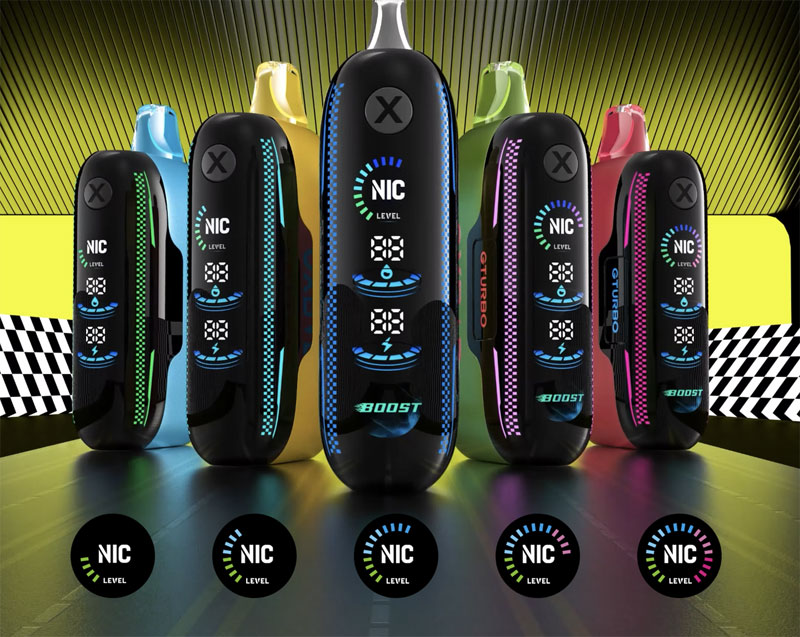
Understanding addiction is critical in creating effective cessation programs. The e cigarette dependence scale helps in assessing the severity of addiction and tailoring interventions accordingly. It acts as a diagnostic tool, akin to those used for traditional smoking, but specifically designed to address the unique aspects of e-cigarette use. This focused approach aids healthcare providers in developing customized intervention strategies.
Components of the Scale
The scale typically encompasses a set of questions that inquire about usage patterns, psychological dependency, and the user’s ability to abstain from e-cigarettes in situations where they are not permitted. Additionally, it considers behavioral triggers that may increase usage, providing a detailed picture of a user’s dependency level.
The Impact of E Cigarette Dependency
Electronic cigarettes have been marketed as a safer alternative to traditional smoking, but the addictive nature of nicotine remains a significant concern. The core component of the e cigarette dependence scale is its ability to predict potential health risks associated with prolonged use. Dependency can lead to increased consumption and consequently, a higher exposure to potentially harmful substances found in e-liquid flavors and aerosols.
Addressing the Dependence Issues
With the data provided by the e cigarette dependence scale, health advisors can guide users toward effective cessation resources tailored to their addiction severity. This personalized approach increases the likelihood of successful quitting attempts. Health campaigns and educational programs that raise awareness about the dependence potential of e-cigarettes also play a powerful role in prevention efforts.
Innovations in Research: Ongoing research continues to refine the e cigarette dependence scale, ensuring its relevance and accuracy in a rapidly evolving market. Researchers are examining the psychological and social aspects of e-cigarette use, contributing to more robust models of addiction that take into account personal and environmental factors.
In conclusion, the e cigarette dependence scale is pivotal in the battle against nicotine addiction. By providing a nuanced view of e-cigarette dependency, it enables targeted interventions that can help reduce the health impact of prolonged nicotine use. Understanding and utilizing this scale can significantly enhance public health strategies aimed at reducing smoking-related diseases.
FAQ
Q: How does the e cigarette dependence scale differ from traditional cigarette dependency scales?
A: The e cigarette dependence scale is specifically tailored to account for the unique patterns and factors associated with electronic cigarette use, differing in its assessment of technological and behavioral triggers.
Q: Can this scale help in creating personalized quitting plans?
A: Yes, it provides a detailed analysis of addiction levels, enabling professionals to design personalized cessation strategies.
Q: Is the scale applicable to all age groups?
A: The scale is designed to be comprehensive, but adaptations may be necessary to address specific age-related factors in dependence and usage patterns.