Cyprus e-cigarette import rules are crucial for anyone looking to enter the lucrative market of e-cigarettes within the nation. These regulations not only impact importers but also retailers and consumers who rely on the availability and quality of imported products. To delve deeper into these import rules, we need to consider several aspects that are involved. First and foremost, e-cigarette products must be compliant with Cyprus’s health and safety standards. Importers are required to ensure that all vaping devices and e-liquids meet the specified guidelines which are aligned with European Union regulations. E-liquids, for instance, should not contain more than a specified amount of nicotine, and the labeling must accurately reflect the contents and ingredients. Additionally, packaging should be child-resistant, and products must have warnings about health risks associated with nicotine use.
Importers must also be aware of taxation rules related to e-cigarettes. The Cyprus government imposes taxes on both the devices and e-liquids, and it’s imperative for importers to familiarize themselves with any applicable tariffs and customs duties. This financial obligation can significantly impact the pricing strategies for businesses within Cyprus. Furthermore, having adequate documentation is essential; importers must present certification and approval from relevant authorities, which confirm the quality and safety compliance of the e-cigarettes. Failing to comply with these stipulations can lead to hefty fines and complications during customs clearance.
Retailers in Cyprus need to be informed about age restrictions on sales. The law prohibits the sale of e-cigarettes and related products to individuals below the age of 18, and businesses must enforce strict verification processes to ensure compliance. Marketing and advertising e-cigarettes are also tightly controlled, requiring conformity to guidelines that prevent misleading health claims and promote responsible use. Understanding these regulations can benefit businesses not only in avoiding legal repercussions but also in building trust with consumers through transparency and ethical practices.
On a broader scale, it is essential to remain updated about any changes in regulations both from Cyprus and the European Union as new studies and technological advancements can lead to amendments. Importers should continually monitor legislative developments to ensure ongoing compliance. With the rising popularity of e-cigarettes, Cyprus aims to protect public health while balancing the interests of businesses operating within this sector.
Frequently Asked Questions about E-cigarette Import Regulations in Cyprus:

1. What restrictions are placed on e-liquid nicotine levels?
E-liquids should adhere to Cyprus’s regulations limiting nicotine levels to a permissible amount, and any variation must be approved by the relevant authorities.

2. Are there specific labeling requirements for imported e-cigarettes?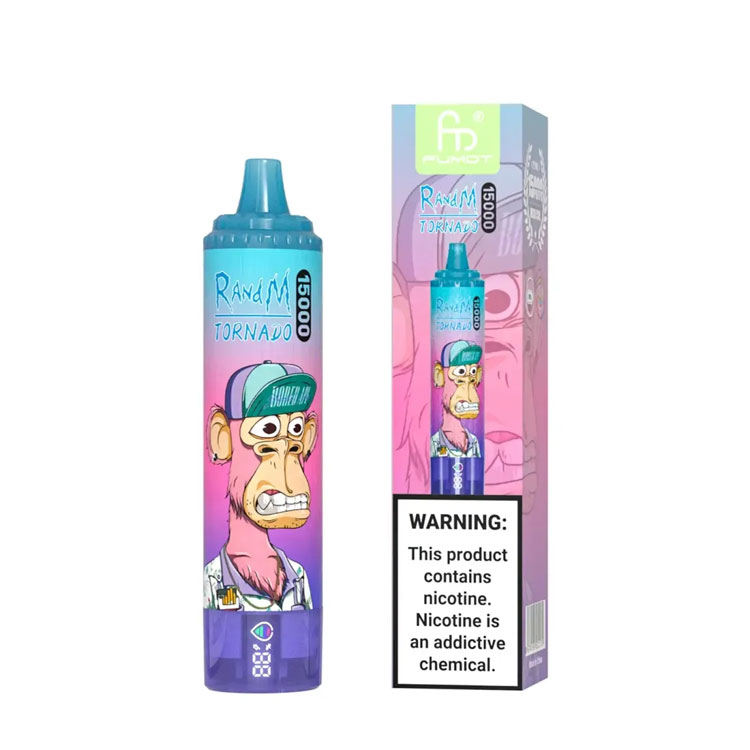
Yes, imported e-cigarettes must include precise labeling that specifies ingredients and adheres to health warning requirements as mandated by Cyprus law.
3. Can businesses sell e-cigarettes online in Cyprus?
Online sales are permitted, but sellers must comply with age verification processes to ensure that buyers are legally allowed to purchase e-cigarettes.