The legal landscape surrounding e-cigarettes in Thailand has seen considerable shifts, and as 2025 approaches, understanding the nuances of these regulations becomes paramount for consumers and businesses alike. Thailand e-cigarette law 2025 has set in motion key changes that might affect usage, sales, and importation.
The Upcoming E-Cigarette Legal Framework in Thailand
From its inception, Thailand has maintained a stringent stance on e-cigarettes, categorizing them under substances that require careful regulation. As we move closer to 2025, the laws governing these electronic nicotine delivery systems are anticipated to undergo revisions.
These potential changes might include
adjustments in import tariffs, distribution licenses, and public usage restrictions.
Current Laws and Their Impact
To comprehend the trajectory towards 2025, a look at the current legal stipulations is essential. Presently,Thailand’s laws prohibit the importation and sale of e-cigarettes, primarily targeting nicotine management and public health. Violators often face heavy fines and potential imprisonment. However, as discussions evolve, observers anticipate modifications, possibly easing certain restrictions while tightening others. Businesses involved in e-cigarette sales need to stay updated, considering these laws can directly impact operations.
Understanding the Rationale Behind E-Cigarette Regulations
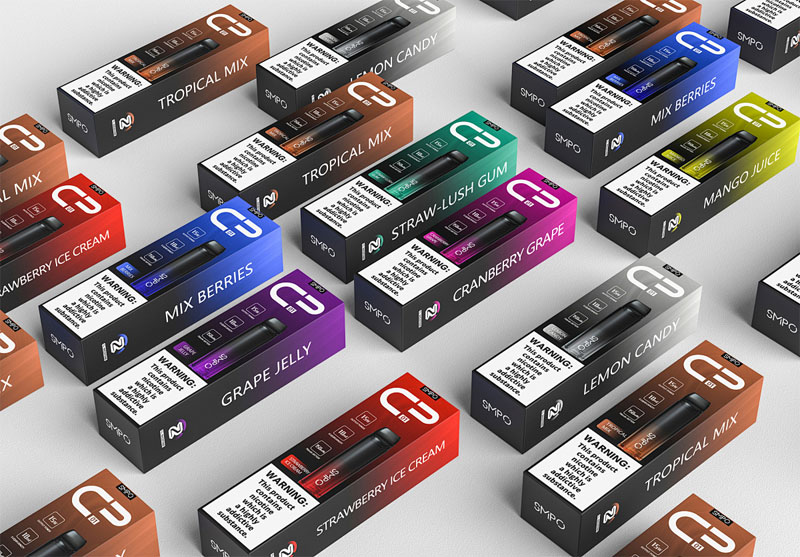 Why does Thailand maintain such strict measures? The primary reason revolves around health concerns. E-cigarettes, though considered less harmful than traditional tobacco products, still pose health risks due to their nicotine content. The Thai government aims to minimize the potential for addiction and the associated health implications.
As 2025 approaches, it’s crucial to evaluate how these health considerations are balanced against economic interests such as taxation and industry growth.
The Influence of Global Trends
 Thailand’s e-cigarette policies don’t exist in isolation; global opinions and studies significantly influence them. Many countries are mulling over similar regulations, focusing on health and safety while promoting innovation. The extent to which Thailand will align itself with these global standards post-2025 remains a topic of debate.
Preparing for 2025: Consumer Considerations
For consumers, understanding the nuances of Thailand e-cigarette law 2025 is essential. It will impact the availability and legality of e-cigarette products. While current laws restrict access, future shifts might offer a new landscape, possibly with controlled and regulated accessibility.
The eventual outcome
will hinge on public opinion, governmental priorities, and economic factors.
What Should Businesses Watch Out For?
As important stakeholders, businesses should remain vigilant about these changes. They must ensure compliance with potential new importation procedures, adjust marketing strategies to reflect legal allowances, and prioritize customer awareness.
Key Challenges Ahead In navigating these changes, businesses may face challenges like adapting to new compliance measures or restructuring business operations to align with legal provisions.
Frequently Asked Questions
- Will e-cigarettes be legal in Thailand by 2025?
- Can I bring my e-cigarette to Thailand?
- How are e-cigarette regulations enforced in Thailand?
The legal status remains uncertain, and consumers should stay informed on potential law adjustments.

As of now, importing e-cigarettes is prohibited, but check current regulations for any changes as 2025 approaches.
Strict penalties, including fines and imprisonment, are in place for violators of current e-cigarette laws.
Given these evolving legal contexts, staying informed and prepared for shifts in Thailand’s e-cigarette law 2025 is essential for smooth navigation of this complex regulatory landscape.