Lately, there’s been an increasing curiosity about Thailand’s stringent regulations concerning e-cigarettes. This Southeast Asian nation, known for its vibrant culture and sandy beaches, holds firm on its decision to ban e-cigarettes, impacting both residents and visitors alike. But why is there a blanket ban on these devices, and what does this mean for those traveling or living there? To begin with, the Thailand e-cigarette ban law was instigated largely due to health concerns. There is a prevailing government view that the consumption of e-cigarettes could serve as a gateway to traditional smoking, potentially exacerbating public health issues. Moreover, concerns regarding youth access to these products are central to the law’s implementation. The ban signifies that importing, selling, or using e-cigarettes can lead to hefty fines or even jail time, meaning tourists should be particularly aware to avoid inadvertently breaking the law.
Curiously, the ban on e-cigarettes doesn’t align directly with some global views, as many countries perceive them as a less harmful alternative to conventional smoking. However, Thailand’s stance is rooted in the precautionary principle, prioritizing the health of its citizens by avoiding any potential escalation in nicotine consumption. The government also emphasizes the absence of definitive research on the long-term effects of vaping, hence their conservative approach.
Legal Implications for Visitors
Travelers to Thailand must be acutely aware of the laws surrounding e-cigarettes. The penalty for possessing these devices can involve fines as high as 10,000-30,000 THB or more extensive legal action depending on the severity. These regulations present a stark contrast to attitudes found in neighboring countries, sometimes catching tourists off guard.

The application of the Thailand e-cigarette ban law extends to customs regulations, with customs officials authorized to confiscate vaping devices at entry points. This scenario underscores the importance of staying informed and compliant when navigating travels in Thailand.
Furthermore, this prohibition is not limited to e-cigarettes alone; it extends to various vaping paraphernalia. It’s vital for travelers, both international and domestic, to understand that possession can bring legal complications, thus emphasizing the need for constant vigilance during their stay. With no immediate reform discussions, the law remains stringent, reinforcing Thailand’s firm stance on public health.
Consequences for Residents
For those living in Thailand, the situation is equally challenging. Residents need to navigate these restrictions with care to avoid penalties. For businesses, the ban restricts any commercial activity related to e-cigs, necessitating strict adherence to the guidelines to avoid unwanted consequences.
Should Thailand decide to revise its stance, such a shift would likely involve comprehensive dialogues and public consultations. For now, adhering to existing laws is paramount, requiring locals to be fully aware and compliant.
Common Questions
- Can I bring e-cigarettes into Thailand?

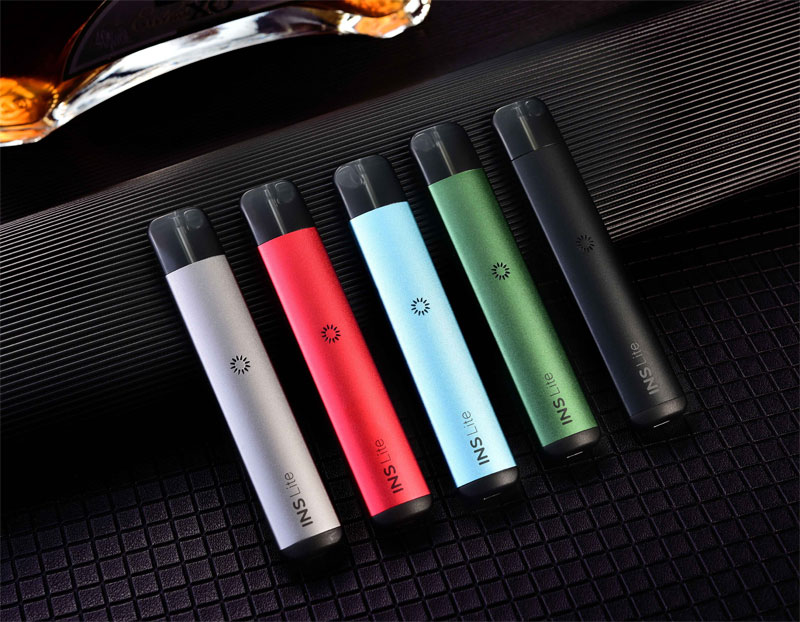 No, e-cigarettes are banned, and bringing them into the country can result in legal repercussions.
 - Why does Thailand ban e-cigarettes? The ban is part of a public health strategy to prevent youth access and mitigate potential health risks.
- Are there any exceptions to the ban? Currently, there are no exceptions; the law applies uniformly to all individuals.
In conclusion, understanding the Thailand e-cigarette ban law is crucial for anyone planning to travel or reside in Thailand, ensuring they remain informed and compliant with the country’s regulations and endeavors to maintain a robust public health environment.