To begin with, e-cigarettes typically consist of a mixture of various substances. Propylene glycol and vegetable glycerin are two prevalent ingredients. These are used as carriers for the flavors and can vary significantly by brand and product type, impacting the vaping experience differently.
Deciphering the Core Components
While it is true that most e-cigarettes contain water, it is misleading to believe that water is the primary component. In reality, the liquid within e-cigarettes—often referred to as e-liquid or vape juice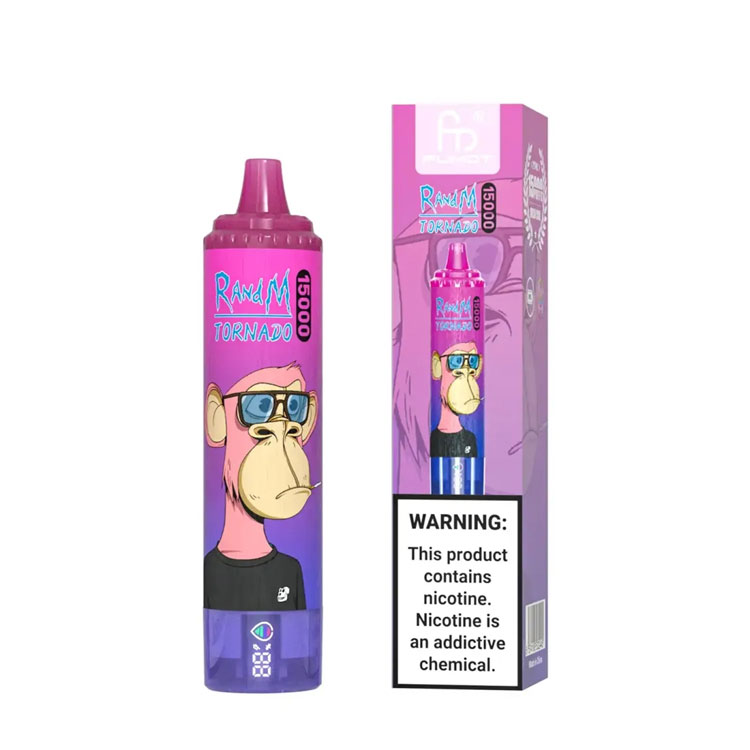 —consists primarily of propylene glycol and vegetable glycerin alongside the nicotine and food-grade flavorings. Propylene glycol provides the throat hit that many users seek, whereas vegetable glycerin is responsible for producing thick vapor clouds.
Beyond water and flavoring, some e-cigarettes carry additional substances meant to enhance the vaping experience. For instance, certain manufacturers include additives that help achieve smoother inhales or improve the shelf life of the vape juice itself. Additives, although typically involving small quantities, are essential in the overall composition and user experience.
Addressing Misconceptions and Health Implications
Many consumers hold misconceptions about e-cigarettes, with water being wrongly identified as the primary element. Correcting such misconceptions is crucial not just from a consumer knowledge standpoint but also in understanding potential health implications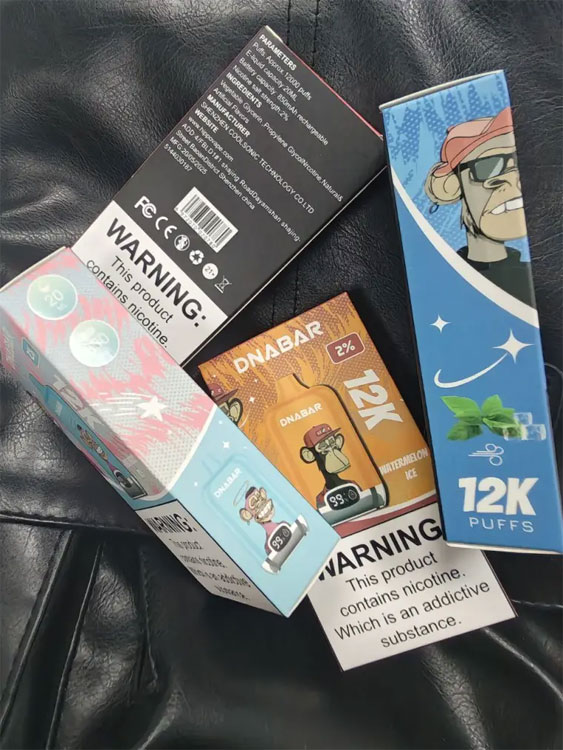 . Propylene glycol, though deemed safe for food use by the FDA, can cause irritation in some individuals, especially those with sensitive respiratory systems.
FAQs on E-Cigarette Ingredients
Q1. Are all e-cigarettes free of harmful substances?
No, while many e-cigarettes are marketed as safer alternatives, they still contain nicotine and other chemicals which can be harmful. Always check product ingredients and consult health resources for the latest information.
Q2. What are the key ingredients responsible for the vapor production in e-cigarettes?
Vegetable glycerin is mainly responsible for producing vapor clouds, while propylene glycol contributes to the throat hit of the vapor.
Q3. Can the flavorings in e-cigarettes pose health risks?
While generally considered safe for consumption, the long-term effects of inhaling heated flavorings are still under research, so it’s important to remain informed on recent studies and findings.