As the world becomes increasingly aware of environmental issues, many people are questioning the impact of various products on the ecosystem. One question that arises is: “are e-cigarettes environmentally friendly?” E-cigarettes have gained popularity as a modern alternative to traditional tobacco. While they are touted for reducing health risks associated with smoking, their environmental implications are often overlooked.
To begin with, e-cigarettes consist of several components: a battery, the cartridge containing nicotine liquid, and the outer casing. Each of these parts has a different environmental impact. Batteries, particularly lithium-ion types used in e-cigarettes, pose significant concerns. Improper disposal can lead to toxic leaks, which contaminate soil and water.
E-Cigarette Waste and Its Environmental Impact
Disposable e-cigarettes contribute directly to environmental pollution. After use, these devices often end up in landfills. Unlike traditional cigarette butts, which are biodegradable, e-cigarettes can persist in the environment, contributing to plastic pollution. The plastic used in cartridges and packaging is non-biodegradable and can take hundreds of years to decompose.
Recycling Challenges

While recycling e-cigarettes is theoretically possible, practical challenges abound. Many recyclers face difficulties in processing the complex materials. Additionally, the absence of organized e-cigarette recycling programs exacerbates the issue. Without proper infrastructure to support recycling, users are compelled to dispose of their devices in standard waste systems.
Comparative Analysis with Traditional Cigarettes
When comparing e-cigarettes to traditional tobacco products, e-cigarettes may appear less impactful environmentally at first glance. Traditional cigarette butts are a significant source of litter worldwide. However, the long-term effects of accumulating e-cigarette waste are still being studied. Unlike regular cigarettes, e-cigarettes may have a higher initial environmental cost due to manufacturing processes involving complex electronic components.
Another factor to consider is the delivery system of nicotine in e-cigarettes. The liquid nicotine used in e-cigarettes often contains harmful chemicals, which may pose threats to both users and the environment if not handled properly. Spills or leaks during manufacturing or at disposal points can contribute to environmental hazards.
What Can Be Done?
To address environmental concerns related to e-cigarettes, consumers, manufacturers, and policymakers need to collaborate. Consumers can contribute by properly disposing of e-cigarettes, ensuring they follow recycling guidelines when available. Manufacturers can play their part by designing eco-friendly products, utilizing biodegradable materials, and supporting recycling initiatives.
Government Action
Governments worldwide have the authority to regulate the industry. By enforcing stricter environmental standards and creating dedicated recycling programs, they can help mitigate the ecological impact of e-cigarettes.
Frequently Asked Questions
- Can e-cigarette parts be recycled?
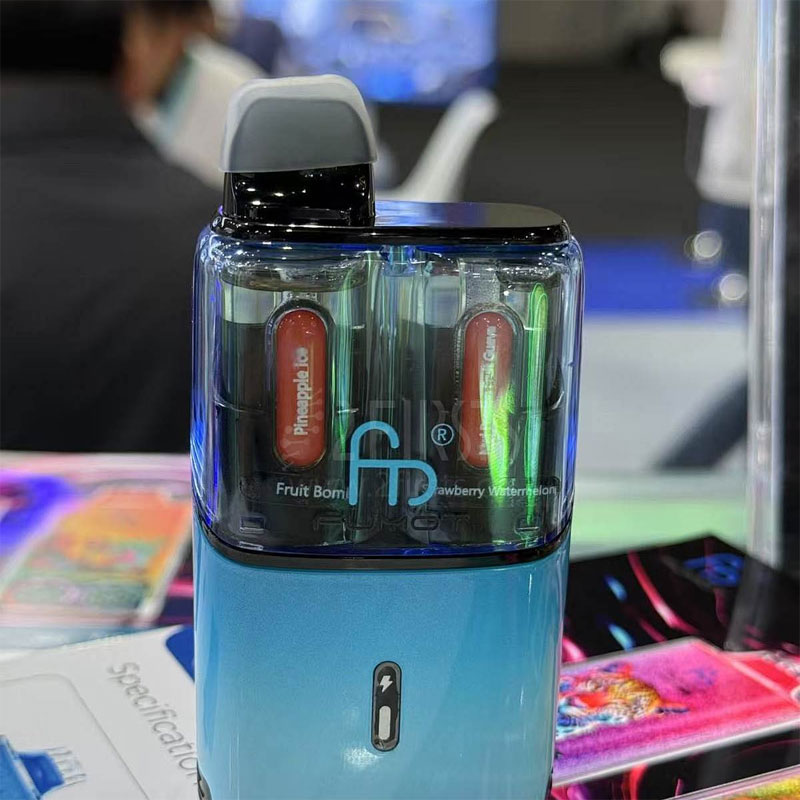
Yes, but recycling programs dedicated to e-cigarettes are scarce, and efforts should be made to improve recycling methods. - Are there eco-friendly alternatives to traditional e-cigarettes?
Some brands are starting to focus on sustainability, offering recyclable materials and biodegradable packaging. - Do e-cigarettes contribute to air pollution?
While e-cigarettes do not produce smoke, the vapor may contain harmful compounds affecting indoor air quality.