E-cigarettes have become increasingly popular over the years, offering smokers a seemingly ‘healthier’ alternative. However, it raises questions: What is in e-cigarettes? Understanding their components is vital for users, enthusiasts, and critics alike.
Understanding the Core Components
An e-cigarette typically consists of four main components: a battery, a cartridge (tank or pod), a heating element (atomizer), and the e-liquid. Each part plays a crucial role in delivering the nicotine-infused vapor.
The Battery
Batteries are the powerhouse of the e-cigarette, generally rechargeable and often lithium-ion based. The quality and capacity of the battery can directly influence the performance of an e-cigarette.
The Cartridge or Tank
The cartridge holds the e-liquid. It can be filled with either closed pre-filled pods or opened ones that users can manually fill. Tanks have larger capacity compared to pods and offer a customizable experience for the user.

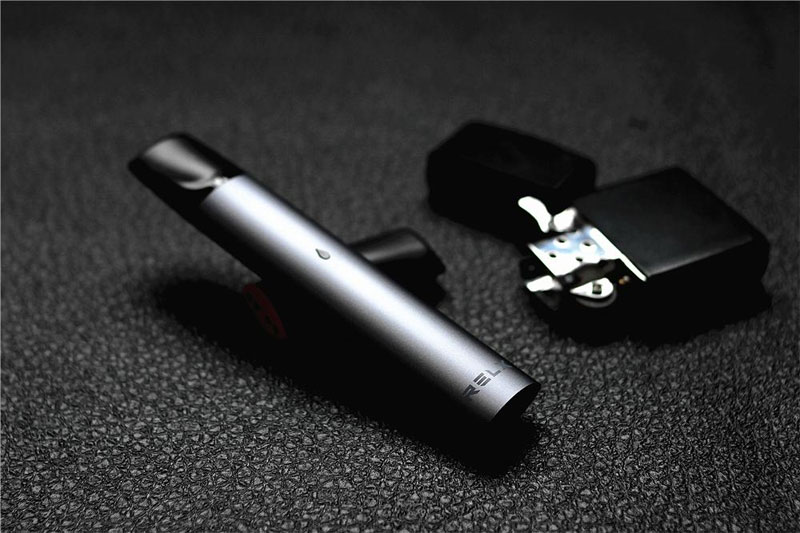
The Atomizer
Also known as the coil, the atomizer is responsible for heating the e-liquid. By controlling the temperature, it turns the liquid into vapor, which the user inhales.
E-Liquid: The Heart of the Vapor
The e-liquid, or vape juice, is what users inhale. It’s usually composed of four primary ingredients: propylene glycol, vegetable glycerin, flavorings, and nicotine.
Propylene Glycol (PG): A colorless, odorless liquid that is often used to create a throat hit similar to traditional smoking. It also carries flavors well.
Vegetable Glycerin (VG): A thick, sweet-tasting liquid, VG is responsible for producing large vapor clouds. It contributes to the smoothness of the vape.
Flavorings: A range of food-grade additives that provide the various aromas and tastes, they come in endless combinations.
Nicotine: Often an essential ingredient for those transitioning from smoking. Available in varying strengths to cater to different preferences.
Navigating the Health Implications
The most significant concern around e-cigarettes is their health impact compared to traditional cigarettes. Even though they contain fewer toxic substances, nicotine addiction persists, and their long-term effects remain uncertain.
Are E-Cigarettes Healthier?
While e-cigarettes are observed to be less harmful than traditional cigarettes due to the absence of combustion and tar, the presence of nicotine still poses risks, including addiction and potential harm to brain development in younger users.
Regulatory Landscape
Different countries have varying regulations concerning e-cigarettes. Understanding local policies and compliance needs is essential for both users and vendors.
FAQs on E-Cigarettes
Q1: Can non-smokers use e-cigarettes?
Non-smokers are advised against using e-cigarettes due to the potential for nicotine addiction and other unknown long-term health effects.
Q2: What age restrictions apply to e-cigarettes?
Most regions require users to be of legal smoking age, typically 18 or 21, to purchase and use e-cigarettes.
Q3: Can e-cigarettes help in quitting traditional smoking?
While some users have successfully transitioned from traditional smoking using e-cigarettes, they are not formally approved as cessation devices, and results may vary.