Understanding modern vaping: context, science and practical advice
This comprehensive resource explores the debate around Elektronske Cigarete and the common question e cigarette good or bad, synthesizing current research, known risks, and practical user guidance for those evaluating or using electronic nicotine delivery systems. The goal is to provide balanced, evidence-aware content suitable for readers seeking to learn why these devices have become so widespread, what the scientific community has concluded so far, and how users can minimize harm if they choose to vape. Throughout this piece the terms Elektronske Cigarete and e cigarette good or bad appear in context to emphasize SEO relevance and to help readers find pragmatic answers on safety, alternatives and best practices.
Brief historical and product overview
Electronic cigarettes, commonly referred to across languages as Elektronske Cigarete, are battery-powered devices that heat a liquid—usually a mixture of propylene glycol, vegetable glycerin, flavorings and nicotine—to create an inhalable aerosol. Early designs mimicked traditional cigarettes but the market now contains a wide range of devices: cig-a-likes, vape pens, pod systems, and advanced mod kits. Each style differs by heating element, power, refillability and user control, and those differences affect emissions and user exposure. When discussing e cigarette good or bad, device type is a crucial variable because emissions and risk profiles are not uniform across models.
What the research says: short-term vs long-term
Multiple peer-reviewed studies and systematic reviews indicate that switching completely from combustible cigarettes to Elektronske Cigarete reduces exposure to many harmful combustion products such as tar and carbon monoxide. Public health agencies note that e-cigarettes generally contain fewer and lower levels of toxicants than conventional cigarette smoke, which supports harm-reduction arguments for smokers who cannot or will not quit through other means. Nevertheless, the longitudinal evidence on long-term effects remains limited relative to decades of data for combustible tobacco. The scientific community continues to study cardiovascular outcomes, pulmonary function, and potential carcinogenic risk over years and decades, so cautious interpretation is necessary when evaluating claims like e cigarette good or bad.
Respiratory and cardiovascular considerations
Short-term studies document airway irritation, cough, and changes in markers of inflammation in some users. Some evidence suggests transient endothelial dysfunction and increased heart rate after nicotine inhalation. For people with pre-existing lung or heart disease, these effects may be clinically significant. Thus, health professionals often emphasize personalized risk assessment: while Elektronske Cigarete may present lower toxicant exposure than traditional smoking, they are not risk-free.
Toxicants, flavors and additives
Key determinants of chemical exposure include the e-liquid composition, device wattage, coil temperature and user puff patterns. Certain flavoring compounds—diacetyl, acetyl propionyl and some aldehydes—have raised concern because of links to bronchiolitis obliterans in occupational settings or because they form when e-liquids are heated. Research also highlights metal and silicon particulate emissions from coils and wicks. Elektronske Cigarete research commonly recommends selecting reputable brands, using appropriate wattage and avoiding DIY mixing of unknown additives to reduce unpredictable chemical formation.
Nicotine dependence and youth uptake
Nicotine in e-liquids sustains addiction potential. The rapid delivery available from some pod systems makes them particularly reinforcing. Public health authorities have observed rising e-cigarette use among adolescents in some regions, which has prompted policy responses because nicotine exposure in adolescence can affect brain development and increase the risk of transitioning to combustible cigarettes. Discussions about whether e cigarette good or bad must therefore separate adult smokers seeking harm reduction from youth and never-smokers who may be at risk of initiating nicotine dependence.
Role in smoking cessation
Randomized trials and observational studies show that e-cigarettes can help some smokers quit combustible cigarettes, often outperforming nicotine replacement therapy (NRT) in certain trials. However, success rates vary widely and long-term abstinence results depend on user patterns and support. Health organizations in some countries recommend supervised transition strategies using Elektronske Cigarete only for adult smokers who have failed other cessation methods and under clinical guidance.
Comparative risk summary
When framed as relative risk, evidence supports the conclusion that for an individual adult smoker, switching completely to e-cigarettes is likely less harmful than continuing to smoke combustible tobacco. However, relative safety is not equivalent to being safe: residual risks remain and some adverse effects have been observed. Therefore, the binary framing e cigarette good or bad lacks nuance; a more helpful approach evaluates risk across populations, user intentions, device types and regulatory context.
Regulatory landscape and quality control
Regulation strongly influences product safety. Where e-liquids and devices are subject to manufacturing standards, ingredient disclosures, and age restrictions, risks from contaminants and youth access are generally lower. Conversely, unregulated markets increase the probability of adulterated liquids, poor battery safety and misleading labeling. Consumers should favor products sold in regulated markets, check batch testing when available, and be aware of local laws addressing Elektronske Cigarete.
Practical user guide: choosing a device
The right device depends on goals and experience. For smokers aiming to quit, a stable, easy-to-use pod system or pen with known nicotine strengths can provide reliable nicotine delivery and a familiar inhalation experience. Advanced users seeking flavor exploration may opt for mod kits with temperature control but those require greater technical knowledge to avoid coil overheating and unintended chemical production. Regardless of choice, pick devices from manufacturers with a reputation for quality control and consider coils and batteries certified by recognized safety standards.
Practical user guide: e-liquid selection and nicotine dosing
Start by assessing current cigarette consumption: heavy smokers may require higher nicotine strengths or nicotine salts that provide smoother throat sensation; light smokers may prefer lower freebase nicotine. Many users find stepping down nicotine strength gradually helps in reducing dependence. Avoid unverified concentrates, homemade additives and salts from unknown sources. Store e-liquids in child-resistant containers and keep them out of reach of children and pets. If packaging lists ingredients, prefer products with transparent ingredient lists and third-party lab results.
Device maintenance and battery safety
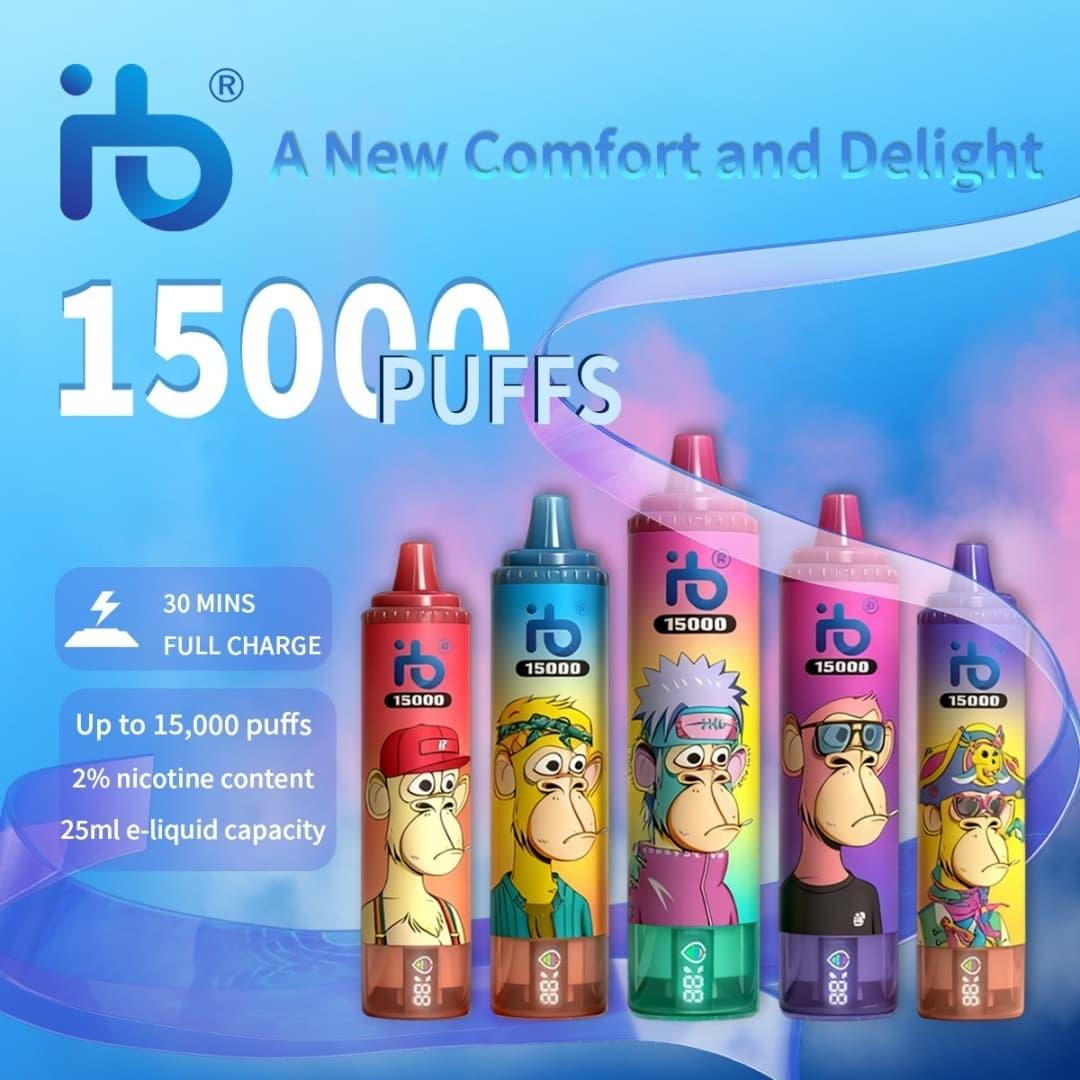
Proper maintenance reduces risk. Clean tanks regularly, replace coils per manufacturer guidance to avoid burnt tastes and potential thermal decomposition byproducts, and use the right charger for your battery type. Never expose lithium-ion batteries to extreme heat, and avoid damaged batteries or mismatched wraps. For new users, buying integrated devices with internal protections can minimize battery-related accidents.
How to reduce harm if you choose to vape
- Switch completely from combustible cigarettes rather than dual-using both; dual use may negate much of the harm reduction benefit.
- Use reputable, regulated products with batch testing and avoid illicit or modified devices.
- Select appropriate nicotine strength and reduce gradually if the goal is cessation.
- Avoid flavored e-liquids with suspicious additives and avoid high-wattage settings that produce visible decomposition.
- Keep e-liquids and devices away from children and pregnant people.
Special populations: pregnancy, adolescents, and cardiovascular disease
Pregnant people are strongly advised to avoid all nicotine products because nicotine exposure can harm fetal development. Adolescents and non-smokers should not use e-cigarettes due to addiction and developmental risks. Individuals with cardiovascular conditions should consult a healthcare professional before using nicotine-containing products. These recommendations underscore that labeling e cigarette good or bad without considering the user is misleading.
Common misperceptions and myths
Myth: e-cigarettes are harmless water vapor. Reality: aerosol contains chemicals, nicotine and sometimes metals. Myth: flavors are purely benign. Reality: some flavor compounds can form harmful byproducts when heated. Myth: vaping always helps cessation. Reality: it can help some smokers but is not a guaranteed quit method and requires behavioral support for many users.
Monitoring and when to seek help
If a device malfunctions (overheating, leaking, strange tastes) stop using it and consult the manufacturer or vendor. Seek medical attention for symptoms like severe chest pain, difficulty breathing, persistent cough or unexplained systemic symptoms after vaping. Report serious adverse events to local health authorities to support surveillance.
Balancing individual and public health perspectives
Public health policymakers must weigh benefits for adult smokers against risks to youth and never-smokers. Effective strategies include age restrictions, flavor controls that limit youth appeal, marketing limits, and product standards to reduce toxicant formation. In clinical practice, the harm-reduction potential of Elektronske Cigarete is considered alongside proven cessation tools; shared decision-making helps tailor recommendations for individual smokers.
Key takeaways
Elektronske Cigarete may offer reduced exposure to many toxicants compared with combustible cigarettes, and they can help some people quit smoking, but they are not without risk. Whether they are e cigarette good or bad depends on context: the user’s age, smoking status, device selection, regulatory environment and product quality. The most protective choice for health remains to avoid nicotine products entirely, yet for current smokers who cannot quit by other means, switching completely to a regulated e-cigarette is likely less harmful than continuing to smoke.
Resources and further reading
For those seeking more in-depth study, consult reputable sources such as national public health agencies, systematic reviews in peer-reviewed medical journals, and position statements from recognized respiratory and cardiovascular societies. When in doubt, ask a healthcare professional about personalized cessation strategies and whether supervised use of e-cigarettes fits your plan.
Practical checklist before you vape
- Confirm local legal status and age restrictions for Elektronske Cigarete.
- Choose regulated brands with third-party testing.
- Select an appropriate device and learn basic maintenance.
- Pick a nicotine strength aligned with your smoking history.
- Have a plan for step-down and cessation if desired.
Note: This article summarizes research and consensus as of current public literature. It is informational and not a substitute for professional medical advice. Always consult a clinician about personal health decisions.
If you want to dive deeper into peer-reviewed studies, search databases for keywords like Elektronske Cigarete, e-cigarette emissions, and nicotine replacement randomized trials. Evaluating high-quality sources will improve your ability to judge claims about whether e cigarette good or bad in specific circumstances.
Appendix: quick troubleshooting tips
- Device not producing vapor: check battery charge, coil installation and e-liquid level.
- Burnt taste: replace the coil, reduce wattage and prime new coils before use.
- Leaking: ensure seals are intact and avoid overfilling.
- Short circuit warnings: stop using the device and inspect for damaged coils or connectors.

Final perspective: Elektronske Cigarete and e cigarette good or bad explained with research, risks and user guides” /> The question of e cigarette good or bad cannot be answered in one sentence—context matters. For adult smokers who fully substitute combustible cigarettes with properly manufactured and used Elektronske Cigarete, the best available evidence suggests a reduced harm profile, while youth, pregnant people and non-smokers should avoid these products entirely.
FAQ
A: They are generally less harmful in terms of exposure to combustion byproducts, but they still carry risks, especially when misused or in vulnerable populations.
A: For some adult smokers, yes—evidence indicates that e-cigarettes can be an effective cessation aid compared to some traditional nicotine replacement therapies, particularly when accompanied by behavioral support.
A: Use regulated products, maintain your device, choose appropriate nicotine strengths, avoid illegal additives, and keep products away from children.