Understanding Electronic Cigarette vs Vaping: Health Risks and User Experience Explained
The debate around electronic cigarette vs vaping has surged as these alternatives to traditional smoking become increasingly popular. While the two terms are often used interchangeably, subtle distinctions exist that impact users’ health, experiences, and societal perceptions. In this comprehensive exploration, we dive deep into the differences, assess health implications, and analyze user satisfaction, advancing your knowledge for better decision making.
Defining Terms: Electronic Cigarette vs Vaping
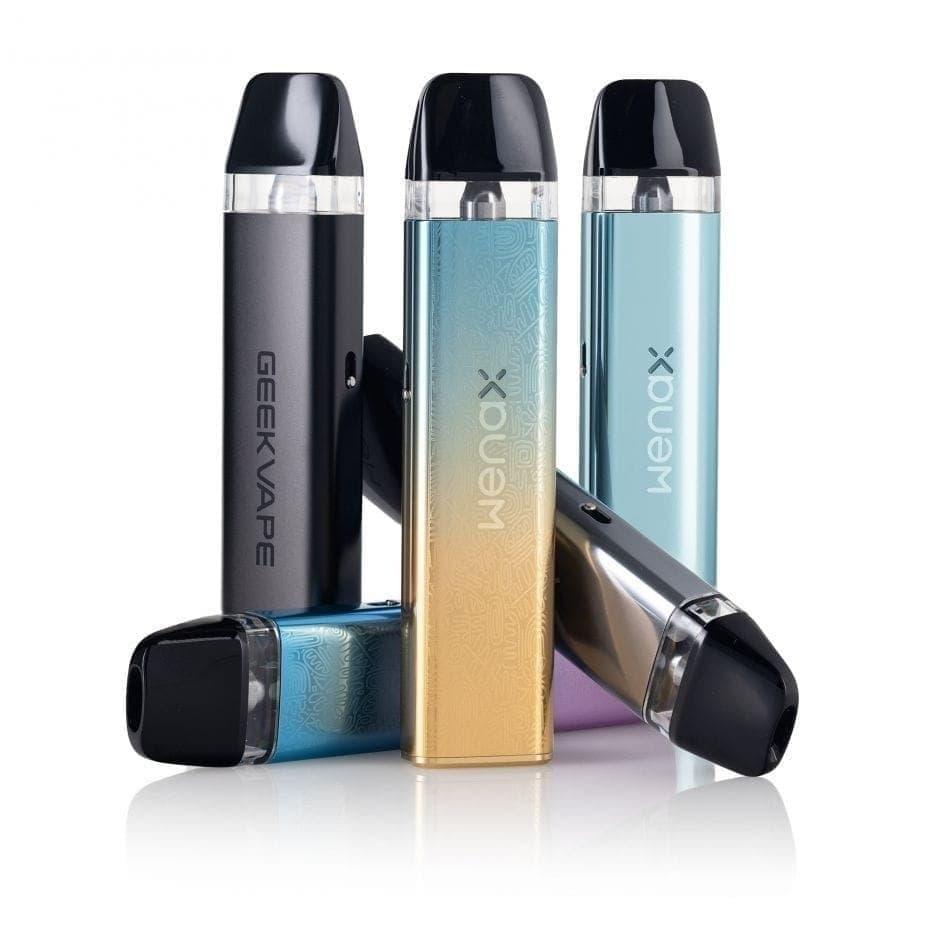
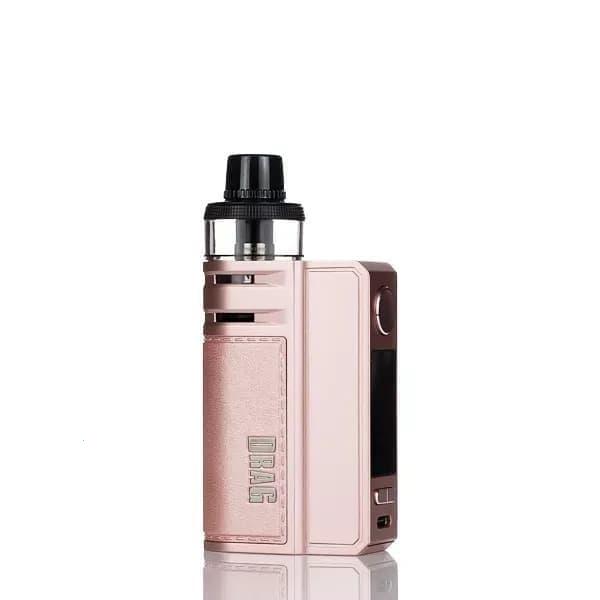
At first glance, both electronic cigarettes and vaping devices appear similar, as they both deliver nicotine through inhaled vapor rather than smoke. However, “electronic cigarettes” typically refer to first-generation, cigarette-like devices (sometimes called “cigalikes”) designed to closely mimic the look and feel of tobacco cigarettes. Vaping, in contrast, covers a broader spectrum — including advanced vape pens, mods, and pods with customizable settings, flavors, and power.
- Electronic Cigarettes: Pre-filled cartridges, simple one-click operation, minimal customization.
- Vaping Devices: Refillable tanks, adjustable wattage/temperature, wide flavor selection, variety of nicotine strengths.
This terminology confusion influences both health studies and consumer choices, emphasizing the need to compare “electronic cigarette vs vaping” for a holistic overview.
Health Risks: Scientific Insights
The health impact of electronic cigarettes vs vaping is a topic of ongoing scientific scrutiny. Both systems deliver an aerosol — not smoke — which means exposure to fewer toxins than conventional cigarettes. However, the relative risks depend on device type, e-liquid composition, user behavior, and frequency of use.
Nicotine Exposure
Both products can deliver substantial nicotine. While electronic cigarettes usually have fixed nicotine levels, vaping devices may allow users to adjust concentrations. Excessive nicotine intake may cause addiction, increased heart rate, and blood pressure. Choosing lower-nicotine options or gradual reduction can mitigate some risks associated with vaping and electronic cigarettes.
Chemical Components
Various studies point out differences in the chemical make-up of the vapor produced. Electronic cigarettes with locked cartridges tend to have more consistency, while customizable vape devices introduce variables that can influence toxin generation, including formaldehyde and acrolein. Vaping high-powered mods at elevated temperatures may produce more harmful byproducts, especially when using flavored liquids.
Respiratory Concerns
Both options can cause throat irritation, coughing, or shortness of breath for some individuals. Limited long-term data means the full scope of respiratory health impacts is unknown, but vaping with higher-powered devices has been linked to increased lung irritation in some research.
Other Potential Risks
- Some flavorings and additives used in both electronic cigarettes and vapes could pose health hazards, such as diacetyl, benzaldehyde, and heavy metals.
- Battery safety is a concern, especially for more complex vape devices; misuse can lead to overheating or explosions.
- Second-hand exposure to vapor, although less hazardous than cigarette smoke, remains an area of active research and concern.

User Experience Compared
The user experience of electronic cigarettes versus vaping devices diverges substantially. Simplicity and ease of use characterize electronic cigarettes, appealing particularly to users transitioning from smoking. Vape devices, meanwhile, offer customizable options for experienced users seeking variety and control.
Flavor and Satisfaction: Vaping devices provide countless e-liquid flavors — from traditional tobacco to exotic fruit blends — and adjustable airflow, allowing users to tailor their inhalation. Electronic cigarettes, though more limited, deliver consistent taste and nicotine hit similar to tobacco products.
Device Maintenance: Electronic cigarettes require little to no upkeep, usually disposed of after cartridge depletion. Vaping devices need regular cleaning, coil replacement, and refilling, making them less convenient but more flexible.
User Demographics: Newcomers often prefer electronic cigarettes for their simplicity. Experienced users, “cloud-chasers,” and hobbyists select advanced vaping gear for richer flavors and larger vapor clouds.
Societal Trends and Behavior
Popularity is increasing for both device categories, but cultural perception varies. Vaping is sometimes viewed as a recreational activity, with social communities and “vape tricks.” Electronic cigarettes, meanwhile, tend to be positioned as smoking cessation aids. Regulatory authorities are responding, frequently updating guidelines and age restrictions for both options.
Public Perception & Regulations
- Most countries have imposed age limits (usually 18+) on the sale of vaping and electronic cigarette products.
- Flavor bans, marketing limitations, and packaging requirements are being enforced to reduce youth uptake.
Benefits and Drawbacks: Electronic Cigarette vs Vaping
Advantages
- Reduced exposure to carcinogens compared to traditional tobacco smoking.
- Available in multiple nicotine strengths for phased reduction.
- Variety in flavors and device selection (especially with vaping).
Disadvantages
- Potential for nicotine addiction remains.
- Health risks associated with unknown long-term effects of inhaling vapor and additives.
- Device maintenance and technical malfunctions.
Tips for Safer Use
Regardless of preference, users can reduce potential harms by following best practices:
1. Use reputable, regulated brands for both electronic cigarettes and vaping liquids or hardware.
2. Avoid modifying devices in ways not supported by the manufacturer.
3. Monitor nicotine intake and consider tapering if addiction is a concern.
4. Store batteries safely and follow disposal guidelines for e-liquids and devices.
Conclusion: Making an Informed Choice
The decision between electronic cigarette and vaping should be personalized, based on goals (e.g., quitting smoking), device preferences, and health considerations. While neither option is risk-free, both offer alternatives that are generally considered less harmful than combustible tobacco — but not entirely safe. Staying informed, consulting healthcare professionals, and practicing responsible usage are vital for minimizing risk.
FAQs: Common Questions on Electronic Cigarette vs Vaping
- Is vaping safer than using electronic cigarettes?
- Both methods carry risks, but vaping devices may introduce more chemicals depending on setup and e-liquid used. Electronic cigarettes generally offer consistent nicotine delivery with fewer variables.
- Can electronic cigarettes or vaping help quit smoking?
- Some users find electronic cigarettes or vaping devices helpful for smoking cessation, but results vary; medical guidance enhances success rates.
- What is the main difference between electronic cigarette and vape devices?
- Electronic cigarettes mimic traditional cigarettes in form and ease of use, while vape devices offer greater customization in flavor, vapor production, and nicotine strength.