From Disposable Vapes to Lasting Freedom: Practical Paths Away from Nicotine
This comprehensive guide focuses on reducing and eventually quitting disposable vaping devices, with special attention to Einweg E-Zigaretten users and people searching for clear answers on how to stop smoking e cigarettes. The content below blends step-by-step plans, evidence-informed techniques, real-life tips and psychological strategies that are designed to be practical, adaptable and SEO-optimized so it reaches readers actively seeking solutions and support. If you are trying to move away from disposable vape products or helping someone else, this resource lays out actionable options, alternatives and reminders about safety and wellbeing.
Why quitting disposable vapes matters: health, habit and environment
Disposable devices like Einweg E-Zigaretten are convenient and often marketed as low-effort alternatives to smoking, but the habit can become entrenched quickly. Nicotine dependence, inhalation-related irritation, and the behavioral rituals around vaping are real barriers. Moreover, single-use devices create environmental waste: batteries, plastics and residual e-liquid contribute to pollution. Understanding both personal and broader impacts strengthens motivation when exploring how to stop smoking e cigarettes and builds a sustainable rationale for change.
Understanding nicotine dependence and triggers
Nicotine acts on brain chemistry in predictable ways: it creates short-term relief or stimulation, reinforcing repetitive use. Identifying triggers—stress, social cues, boredom, alcohol, or routine activities—helps you design targeted strategies. Replace automatic responses with deliberate alternatives. For example, if reaching for a disposable vape after meals is a trigger, plan a ten-minute walk, a glass of water, or a quick relaxation exercise instead. These substitutions break automaticity and support habit reversal.
Key concepts to know
- Tolerance and withdrawal: Over time you may need more nicotine for the same effect; reducing intake gradually can limit discomfort.
- Behavioral component: The hand-to-mouth action, sensory cues and social context all sustain the habit.
- Relapse is common: Slip-ups are learning opportunities; having a plan makes recovery faster.
Strategic plan: a stepwise framework to quit
Quitting is rarely instantaneous for long-term e-cigarette users. A staged, flexible plan increases chances of success. Below is a practical framework that blends gradual reduction, replacement strategies and behavioral skills training.
Stage 1 — Assessment and baseline
Track when, where and why you vape for one to two weeks. Use a simple journal or an app. Note nicotine strength, flavoring, and the situations that prompt use. This baseline helps quantify progress and highlights high-risk moments.
Stage 2 — Set a clear intention and a quit window
Decide whether you want to taper or set a quit date. Both methods can work: tapering reduces withdrawal severity; a hard quit provides a clear target. Whichever you choose, write the plan down and tell someone supportive. If your goal is to stop using Einweg E-Zigaretten|how to stop smoking e cigarettes completely, a written commitment is a strong motivator.
Stage 3 — Reduce nicotine exposure
Options include lowering nicotine strength, reducing sessions per day, or limiting where you vape. If using disposable pods with fixed nicotine, consider switching temporarily to regulated nicotine replacement therapies (NRT) like patches or gums to control dosage more predictably. Pharmacotherapy (e.g., varenicline, bupropion) may also help; consult a healthcare provider for personalized guidance.
Stage 4 — Replace rituals and build new routines
Vaping is as much habit as chemistry. Replace the ritual with healthier actions: chewing sugar-free gum, deep breathing for five minutes, squeezing a handgrip, or stepping outside for fresh air. Structured alternatives reduce cue-response pairings and weaken the association between context and vaping.
Stage 5 — Build social and professional support
Support networks are crucial. Tell friends and family about your plan; join a quitting support group or an online community; consider behavioral counseling. Cognitive-behavioral therapy (CBT) techniques teach coping skills for cravings and stress. Digital tools, such as apps that track progress and send motivational messages, can augment support.
Practical techniques to manage cravings
Cravings peak early but become briefer over time. Use these fast-acting tactics when urges arise:
- Delay: Wait 10–15 minutes—cravings often pass or reduce.
- Distract: Call someone, do a short walk, or engage in a puzzle.
- Deep breathing: Practice slow box breathing for 4–6 minutes.
- Substitute: Use an oral substitute like a toothpick, straw, or mint.
- Hydrate: Drinking water reduces oral fixation and helps flush nicotine metabolites.
When cravings are intense
Combine techniques: apply an NRT product if recommended, practice grounding exercises, and remove immediate access to disposable devices. If a social situation triggers use, plan an exit strategy in advance or bring a sober buddy for support.
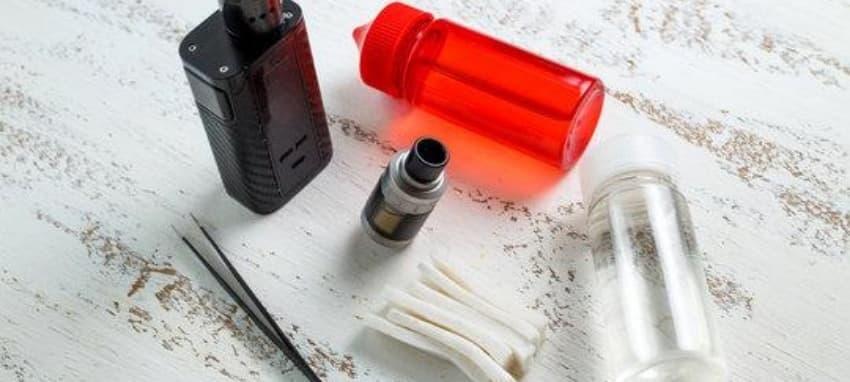
Tools and aids: what helps most people
There is no one-size-fits-all solution. Consider mixing multiple evidence-based tools for a higher likelihood of success.
Nicotine replacement therapies (NRT)
Patches, gum, lozenges, inhalers and nasal sprays deliver nicotine more safely and predictably than many disposable devices, and they help manage withdrawal. NRT can be used alone or combined (patch + gum) for quickly controlled relief.
Medication
Prescription medications like varenicline reduce cravings and withdrawal by modulating nicotine receptors. Discuss risks and benefits with a clinician. Medication is often more effective when paired with behavioral support.
Behavioral therapies
CBT, motivational interviewing and supportive coaching provide coping strategies, relapse prevention skills and accountability. These therapies address thoughts and habits that maintain vaping behavior.
Digital support and apps
Apps that track progress, estimate money saved, offer badges or community support can be motivating. Set personalized reminders and celebrate milestones—small wins accumulate.
Designing a personalized quit toolkit
Create a toolkit that suits your lifestyle. Items might include: a supply of NRT (if appropriate), a craving distraction list, emergency contacts, stress-reduction activities, and a record of why you decided to quit. Visual cues—photos or motivational notes—can reinforce commitment. Plan for common scenarios: nightlife, travel, workplace stress, and social gatherings.
Environmental strategies
Make quitting easier by removing cues: discard leftover disposable units safely (follow local battery disposal rules), avoid stores that promote or sell single-use devices, and create vape-free zones at home and in vehicles. If you live with other vapers, negotiate a household quit plan or at least a policy that supports your goal.
Handling setbacks and staying resilient
Relapse is not failure—it’s data. Analyze what happened, identify triggers, and adjust. A supportive mindset focuses on learning and problem-solving. Use the “three R’s”: Recognize the trigger, Respond with a plan, and Recommit to the goal. If you slip, return to your strategy immediately and seek extra support if needed.
Measuring progress and celebrating milestones
Track days vape-free, money saved, improved breathing or reduced coughing, and changes in taste or energy. Celebrate weekly, monthly and quarterly milestones. Rewards—non-vape related—reinforce progress (a meal out, a movie night, or a small purchase).
Special considerations for young people and social users
Adolescents and young adults may vape for social identity or flavors. Addressing the social dimension requires peer-level interventions, education about long-term risks, and alternative social activities. Schools and parents should provide nonjudgmental support and clear access to counseling and cessation resources.
Understanding product differences: disposable vs. reusable
Disposable products are often high in nicotine salts and designed for convenience, which can accelerate dependence. Reusable devices allow more control over nicotine levels, which some users leverage to taper. However, switching devices is not a guaranteed step toward quitting; deliberate planning matters. If switching, set a clear tapering timeline and limits to avoid swapping one compulsion for another.
Environmental and safety tips for disposal
Single-use devices contain batteries and metals; improper disposal can harm the environment and pose fire risks. Locate local e-waste or battery recycling centers. Remove batteries if possible and follow manufacturer or municipal guidance. Proper disposal is part of the broader responsibility of reducing harm from Einweg E-Zigaretten.
Myths and facts
Myth: Quitting vaping is impossible if you tried before.
Fact: Many people quit after multiple attempts—each attempt increases knowledge and success probability.
Myth: Switching to a “lighter” disposable is safer.
Fact: Lower-rated products may still contain nicotine and irritants. True harm reduction emphasizes reduction, substitution with regulated therapies, and ultimately cessation.
Practical real-life tips from people who’ve quit
- Plan mobility: replace a vape break with a 10-minute walk and a quick phone call.
- Keep oral substitutes handy: mints, sugar-free gum, crunchy snacks.
- Adjust routines: change up the sequence of daily activities to weaken old cues.
- Be explicit with friends: ask for vape-free time or places during early quitting stages.
- Track finances: seeing the money saved is a strong ongoing motivator.
How professionals can help
Healthcare providers can prescribe medications, suggest combination NRT approaches, and refer for counseling. Pharmacists often provide over-the-counter NRT guidance. For complex cases—heavy nicotine dependence or co-occurring mental health issues—integrated care approaches work best.
Resources and next steps
Compile a local resource list: quitlines, local clinics, counseling services, recycling centers for disposables, and supportive online forums. Use search queries like how to stop smoking e cigarettes and “disposable vape cessation support” to find region-specific services. Combine professional advice with peer-led support for a robust approach.
Summary: a balanced, compassionate approach
Quitting disposable vaping requires a mixture of planning, behavioral change, biomedical tools and social support. Whether you choose to taper or quit abruptly, apply evidence-based aids, prepare for cravings, and build a personalized quit toolkit. The path away from single-use devices like Einweg E-Zigaretten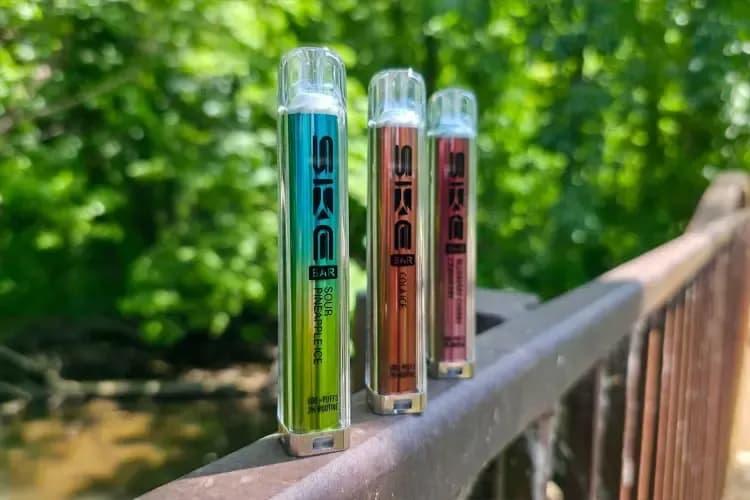 is achievable with patience, persistence and the right supports.
The following FAQ offers answers to common questions for those searching “how to stop smoking e cigarettes” and for users of Einweg E-Zigaretten seeking practical guidance.