E-cigarete safety overview and practical buyer guidance for cautious consumers
This comprehensive consumer-focused guide explores how to evaluate and reduce risks when considering an E-cigarete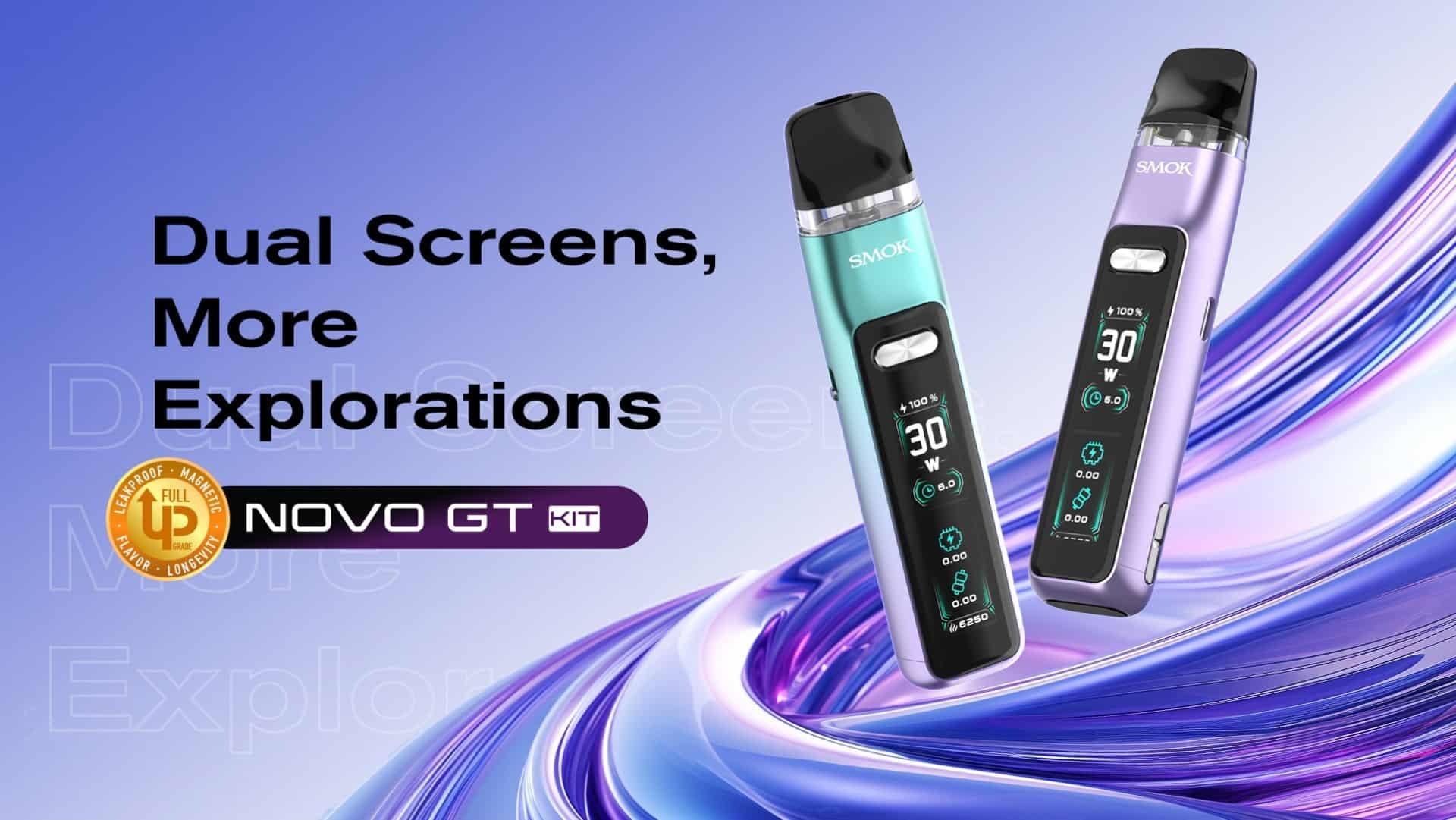 purchase while clearly addressing the dangers of e-cigarettes. The aim is to give readers evidence-informed advice on device selection, maintenance, regulatory signals, and safer alternatives without repeating a specific headline verbatim. Throughout the page the key themes—E-cigarete risks and the dangers of e-cigarettes—are emphasized to support search visibility and to help people quickly find trustworthy information.
At a glance: what consumers need to know
The modern E-cigarete market offers many models and flavor options, but this variety also introduces variability in quality and safety. Public health agencies and independent researchers continue to document the dangers of e-cigarettes such as nicotine dependence, chemical exposures, and device malfunctions. Understanding those risks and learning how to compare products, read labels, and verify testing can reduce harm for adults who choose to use these products and help protect youth and non-users.
Health risks: a closer examination
Nicotine addiction is central to discussions about E-cigarete safety. Nicotine concentrations in e-liquids vary widely; some formulations, particularly nicotine salts, deliver high doses quickly and increase addiction potential. Beyond addiction, research highlights respiratory irritation, impaired lung immune responses, and cardiovascular stress linked to inhaled aerosols. A core concern remains the dangers of e-cigarettes for developing brains—adolescents and young adults who use nicotine-containing products face higher risks of cognitive and behavioral effects.
Chemical exposures and unknowns
E-cigarette aerosol contains a complex mixture: solvents (propylene glycol and glycerin), flavoring chemicals, nicotine, and thermal degradation products such as formaldehyde and acrolein under some conditions. Some flavoring agents, safe for ingestion, may be harmful when inhaled. Lipid-associated lung injury reports (e.g., lipoid pneumonia linked to inhaled oils) demonstrate unexpected pathways for harm. When shopping for an E-cigarete, look for transparent ingredient lists and independent lab testing that measure contaminants and thermal byproducts to mitigate the dangers of e-cigarettes.
Device safety: batteries, atomizers, and design
Physical device failures are a different but serious dimension of risk. Battery safety is a recurring issue: improper charging, using damaged batteries, or employing non-recommended chargers can lead to overheating and rare but severe incidents like explosions. Atomizer design affects how liquids are heated; poor airflow or improper coil resistance can increase production of harmful compounds. To reduce these hazards when choosing an E-cigarete, prefer reputable manufacturers with clear safety standards, battery protection circuits, and user manuals outlining safe charging and maintenance.
Youth, marketing, and social factors
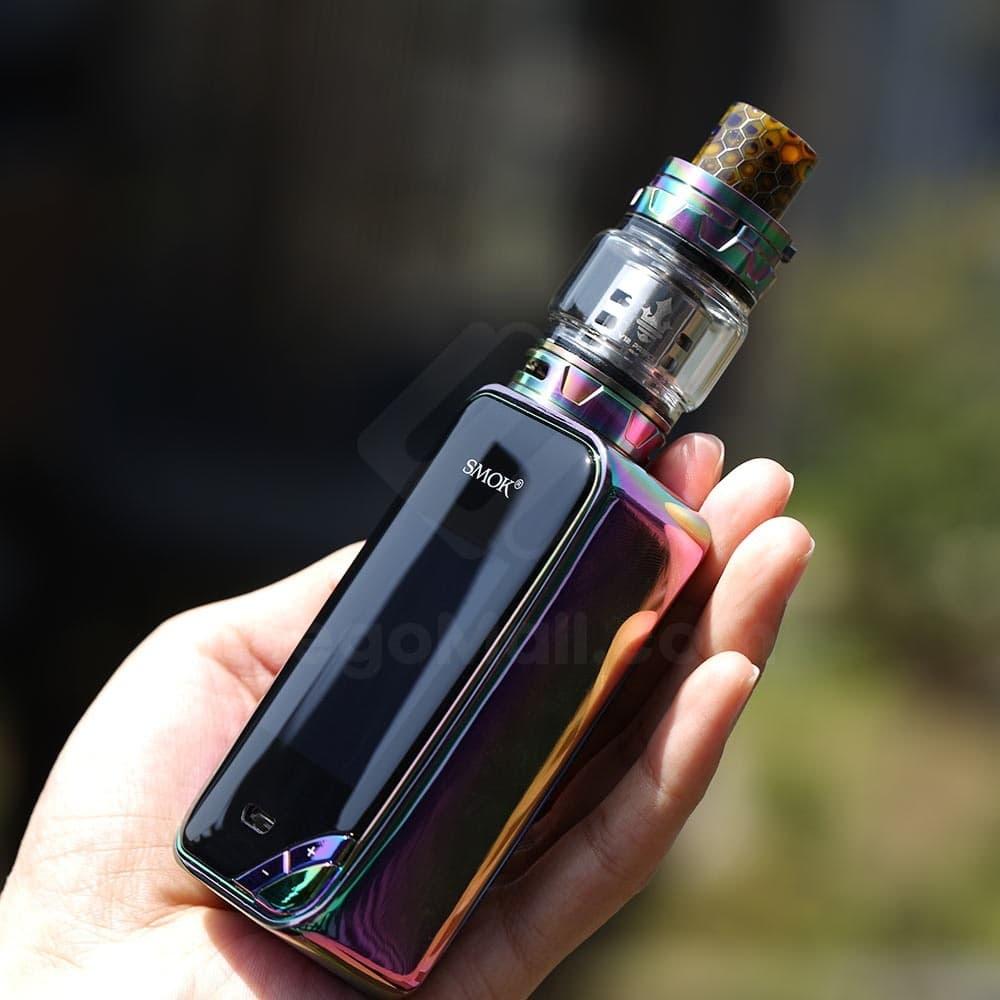
One of the most critical public-health concerns relating to E-cigarete use is rising youth uptake. Brightly flavored products, sleek device designs, and social media promotion have contributed to increased experimentation among teens, magnifying the dangers of e-cigarettes for a vulnerable population. Buyers and guardians should be aware of packaging and marketing signals that target younger users and should avoid any retailer or brand that appears to prioritize youth appeal. If you are an adult user, consider how your use may influence younger people around you and keep devices and e-liquids securely stored.
Regulation, testing, and labels: how to spot credible products
Regulatory oversight varies by country. In jurisdictions with rigorous rules, manufacturers must submit product ingredients, emissions testing, and health data; in other markets, oversight is limited and counterfeit or adulterated products can proliferate. When assessing an E-cigarete, check for the following trust signals: third-party lab reports (COA—Certificate of Analysis), clear nicotine concentration labeling, child-resistant packaging, and compliance marks required by local regulators. These indicators help reduce risks and make it easier to avoid the kinds of illicit or poorly manufactured products that drive many reports of harm tied to the dangers of e-cigarettes.
Buying tips for safer choices
Follow a checklist when buying an E-cigarete to minimize purchase-related risk: verify lab testing, prefer refillable systems over disposable single-use devices, choose moderate nicotine concentrations if you are attempting to reduce dependence, read user reviews focusing on safety and device reliability, and confirm battery type and charging recommendations. Always use the charger supplied by the manufacturer, avoid modifying the device, and be cautious about secondhand marketplaces where counterfeit pods and unknown liquids are more likely to appear. These practical measures directly address common pathways for harm and reduce the probability of encountering the most acute the dangers of e-cigarettes scenarios.
Maintenance and safer use practices
Once you own an E-cigarete , regular maintenance can prevent performance issues and lower risks. Clean tanks and replace coils per manufacturer guidance to avoid burnt tastes and excess thermal decomposition. Inspect batteries regularly for dents, swelling, or other damage; replace at the first sign of deterioration. Store e-liquids away from heat and sunlight, and keep nicotine products out of reach of children and pets. Use nicotine responsibly: consider step-down approaches or FDA-approved nicotine replacement therapies if the goal is cessation rather than sustained use. These steps address both immediate device safety and long-term health considerations tied to the dangers of e-cigarettes.
Clinical contexts and special populations
Certain groups face amplified risks from e-cigarette use. Pregnant people should avoid nicotine entirely due to fetal developmental risks. Those with pre-existing lung or heart conditions should consult clinicians before using nicotine or inhalation devices. Mental health conditions may interact with nicotine dependence, so clinical support for cessation or harm reduction strategies is often needed. If an individual is using an E-cigarete as part of a smoking-cessation strategy, coordinated healthcare oversight increases the likelihood of success and reduces unintended harms.
Harm-reduction perspective and alternatives
From a harm-reduction viewpoint, switching from combustible tobacco to a regulated, better-characterized nicotine-delivery product can reduce some risks associated with smoking. However, that does not negate the dangers of e-cigarettes such as nicotine dependence and inhalation exposures. Safer alternatives include FDA-approved nicotine replacement options (patches, gum, lozenges) and evidence-based behavioral support programs. For adults who must use inhaled nicotine, choosing products with transparent testing, lower nicotine levels, and proven safety records aligns with a risk-reduction approach.
How to evaluate claims and marketing
Manufacturers frequently make performance and safety claims. Apply a critical lens: ask for independent test results, avoid products with vague “clinical” language lacking citations, and be skeptical of claims that a product is entirely “safe.” Safety is relative and depends on device design, user behavior, and product integrity. The most reliable information sources include peer-reviewed studies, reputable health organizations, and independent testing labs; align purchases of E-cigarete products with those evidence streams to mitigate the dangers of e-cigarettes.
Environmental and disposal considerations
Disposing of e-liquids and devices requires attention. Batteries and electronics should be taken to proper e-waste facilities to avoid environmental contamination and fire risk. Leftover e-liquids, particularly nicotine solutions, can be toxic to children and wildlife and should be handled according to local hazardous-waste guidance. Manufacturers that provide clear recycling or take-back programs demonstrate higher production responsibility and may reflect a more safety-conscious brand ethos.
Common myths and factual clarifications
Several myths persist around e-cigarette safety. Myth: all e-cigarettes are harmless. Fact: inhalation of aerosolized chemicals carries risks and may contribute to respiratory and cardiovascular harm. Myth: flavorings are safe because they are food-grade. Fact: safety for ingestion does not guarantee safety for inhalation. Myth: battery incidents are extremely rare so battery care is unnecessary. Fact: while uncommon, battery failures can cause severe injury; safe charging and using manufacturer-recommended batteries substantially reduce this risk. Distinguishing myths from evidence-based facts helps buyers make informed decisions about E-cigarete use and minimize the most concerning the dangers of e-cigarettes.
Checklist before you buy
- Confirm independent lab testing and COAs for ingredients and contaminants.
- Check that nicotine levels are clearly labeled and match your stated goals (reduction vs. maintenance).
- Choose devices with battery protection features and manufacturer support.
- Avoid illicit or counterfeit products; buy from established retailers.
- Review warranty and return policies that indicate company accountability.
- Prefer refillable systems for transparency and waste reduction.
Signs of product problems and what to do
Stop using a device if you detect unusual smells, visible damage, overheating, or signs of e-liquid leaks. If you experience acute respiratory symptoms, chest pain, or severe dizziness after use, seek medical attention and bring the product and packaging to healthcare providers if possible. Report safety incidents to local regulatory bodies to help public health agencies monitor emerging problems related to E-cigarete products and inform consumers about the dangers of e-cigarettes encountered in the marketplace.
Final thoughts: balancing adult choice and public health
Responsible adult use of e-cigarettes requires a balance between individual preferences and public-health realities. Awareness of device quality, chemical exposures, and marketing practices helps reduce avoidable harm. If you are evaluating an E-cigarete purchase, prioritize products with transparent testing, robust battery safety features, and a manufacturer track record that emphasizes consumer safety. Recognize that while some harm-reduction benefits exist relative to smoking, the dangers of e-cigarettes are real and multi-dimensional; informed choices and careful practices can lower, but not eliminate, those risks.
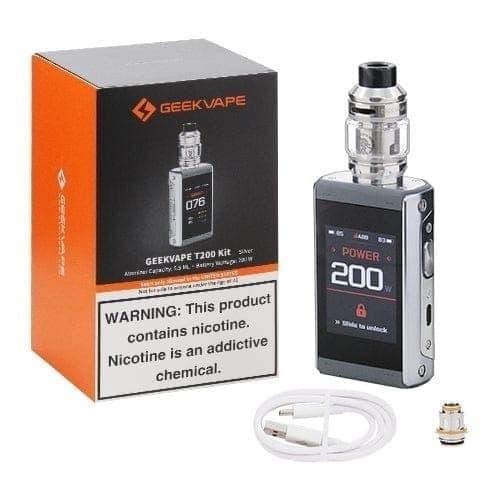 E-cigarete safety review and buyer tips exposing the dangers of e-cigarettes in 2025″ />
Further resources and trusted information sources
Consult peer-reviewed journals, national health agencies, and independent testing laboratories for the latest findings. If you intend to quit tobacco, seek medically supported cessation options that include counseling and approved nicotine-replacement methods. For product-specific safety inquiries, request Certificates of Analysis and verify laboratory credentials to ensure the E-cigarete product you consider has been rigorously examined to limit the dangers of e-cigarettes.
FAQ
A: Not universally. Reputable brands publish third-party lab results, but many products—especially in unregulated markets—lack transparent testing. Always request a COA before trusting safety claims about an E-cigarete product and be mindful of documented the dangers of e-cigarettes tied to adulterated liquids.
A: The safest options are evidence-based cessation supports such as nicotine patches or gum combined with behavioral counseling. Consult a healthcare professional for a tailored plan; transitioning from an E-cigarete without guidance can perpetuate dependence and other risks.
A: Use manufacturer-recommended chargers, avoid overnight charging, inspect batteries for damage, store devices properly, and replace batteries when signs of wear appear. These steps reduce mechanical risks and help minimize acute safety incidents linked to E-cigarete hardware.