The first e cigarette emerged as a groundbreaking innovation in the smoking industry, offering a modern alternative to traditional tobacco consumption. Vaping, a term synonymous with e-cigarette usage, has since evolved into a multifaceted phenomenon, impacting millions globally. Understanding the journey from the creation of the first e cigarette to its role in contemporary vaping culture is crucial for grasping its significance.
The Genesis of Vaping: Birth of the E Cigarette
The concept of e-cigarettes was first imagined in the early 1960s, but it wasn’t until 2003 that Hon Lik, a Chinese pharmacist, successfully brought the first e cigarette to market. His invention was motivated by personal tragedy; losing his father to lung cancer propelled him to develop a safer alternative to smoking. The device aimed to mimic the sensation of smoking while minimizing the harmful effects associated with combustible tobacco products.
Technological Advances and Growth
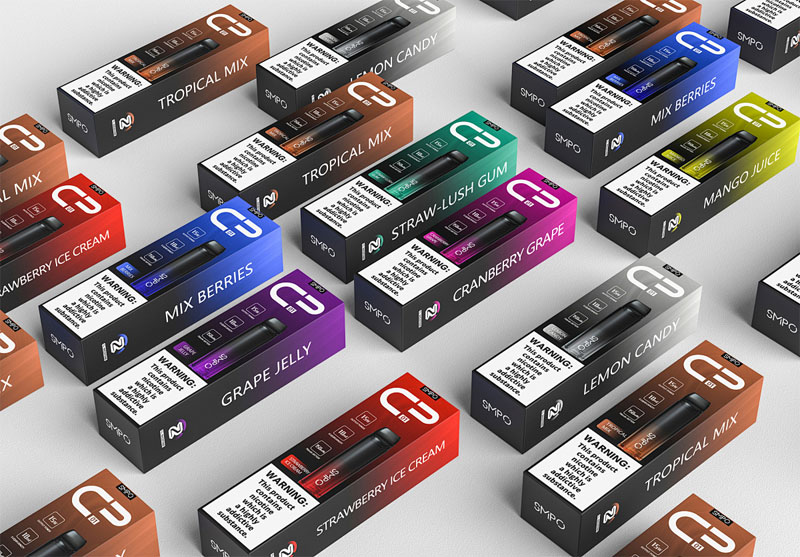
The technology behind e-cigarettes has significantly improved since their inception. Early models were primarily simplistic with limited options, yet today’s vaping devices boast diverse designs and functionalities. From adjustable temperature controls to enhanced battery life, these advancements cater to both novice users and seasoned enthusiasts, making vaping more accessible and appealing.
The Impact on Public Health
While e-cigarettes are considered to be less harmful than traditional cigarettes, there remains substantial debate within the public health community. Studies have shown that vaping is significantly less harmful, a factor contributing to its popularity as a smoking cessation tool. Public health guidelines frequently encourage smokers to transition to e-cigarettes as part of a harm reduction strategy.
Cultural Shifts and Societal Perceptions
Alongside health implications, the cultural impact of the first e cigarette and subsequent developments cannot be understated. Vaping has cultivated a community centered around individuality and customization, with many users expressing their personalities through device designs and flavors. Social media has bolstered this community, providing platforms for advocacy groups and influencers to further this cultural shift.
Vaping flavors range from traditional tobacco to exotic blends, offering personalization that caters to diverse preferences and enhancing user experience.
Regulatory Challenges and Future Directions
As the popularity of vaping has surged, so has scrutiny and regulatory oversight. Governments worldwide are grappling with the best ways to manage this emerging market, ensuring consumer safety without stifling innovation. Regulatory frameworks differ greatly across regions, affecting availability, advertising, and permissible product features.
FAQs About E Cigarettes
- Are e cigarettes safer than traditional cigarettes?
- Many studies suggest e-cigarettes are a safer alternative but are not devoid of risks. They are considered less harmful compared to traditional smoking, offering a harm reduction strategy.
- How do regulations affect e cigarette availability?
- Regulations vary by country and impact product availability, marketing, and design options. Compliance with local laws is crucial for manufacturers.
- Will vaping continue to grow in popularity?
- The sector is likely to expand, driven by technological innovations and a push for sustainable, health-focused solutions.