If you’re considering how to quit e-cigarettes, you’re not alone. Many individuals are seeking methods to break free from the grasp of nicotine dependency. E-cigarettes have become increasingly popular, often marketed as a safer alternative to traditional cigarettes, but the reality is they still pose significant health risks. To successfully quit, it’s important to arm yourself with effective strategies and a strong support system.
Understanding Your Triggers
One of the first steps in quitting e-cigarettes is identifying what triggers your desire to vape. Whether it’s stress, social situations, or habitual routines, recognizing these can help you make a plan to avoid or overcome them.
Develop a Solid Plan
Creating a personalized quit plan is essential. This plan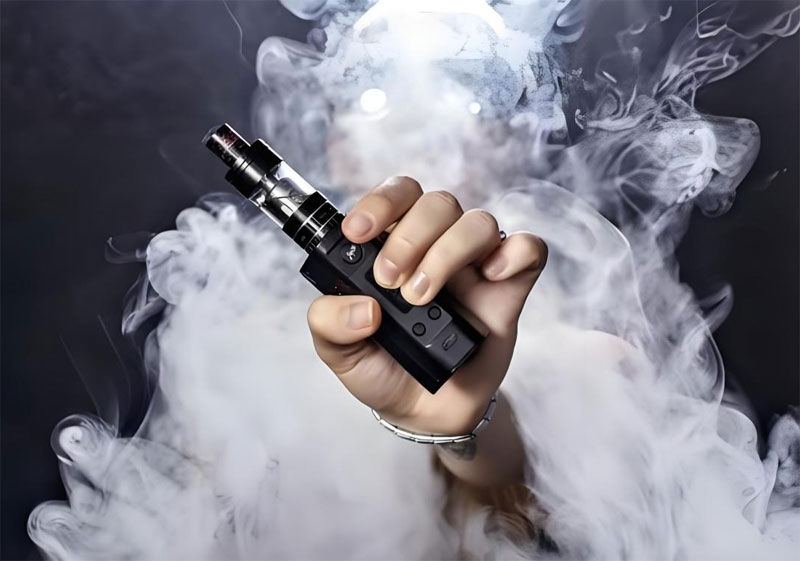 should include setting a quit date, informing friends and family, and removing any e-cigarette products from your home.
- Set a quit date: Decide on a specific day to quit and stick to it.
- Get support: Talk to friends, family, or join support groups who can motivate you.
- Remove temptations: Dispose of all e-cigarette devices to avoid relapse.
Explore Nicotine Replacement Therapies
Nicotine replacement therapy (NRT) can be an effective way to manage withdrawal symptoms. Options include patches, gums, lozenges, nasal sprays, and inhalers. Consult a healthcare professional to help select the best option for you.
Behavioral Therapy
Engaging in behavioral therapy can provide the mental support necessary during the quitting process. Therapists can help you develop coping strategies and work through psychological barriers that contribute to addiction.
Many people find that combining NRT with counseling increases their chances of success. Utilizing both physical and psychological tools can provide a comprehensive approach to quitting.
Stay Motivated with Rewards
Set milestones for yourself and reward your achievements. Celebrate the first day, week, and month without e-cigarettes with a small treat or enjoyable activity. This can reinforce positive behavior and maintain motivation.

FAQs
What if I relapse?
Relapses can happen; it doesn’t mean you’ve failed. Analyze what triggered the relapse and adjust your quit plan accordingly. Consider seeking additional support from a counselor.
Is it normal to have cravings after quitting?
Cravings are completely normal, especially in the early stages of quitting. Identifying when and where they occur can aid in developing strategies to manage them. Keep busy with activities that distract you from cravings.