In recent years, the rise in e-cigarette use among students has sparked concerns in educational settings. Recognizing signs of e-cigarette use in a classroom is essential to address this emerging issue effectively. Understanding these signs can aid in creating a healthier school environment. E-cigarettes, often resembling traditional cigarettes or sleek gadgets, can be difficult to detect, especially when used discreetly.

Common Indicators
One prevalent indicator is the sudden appearance of faint, sweet aromas that are unusual for a classroom setting. These scents can range from fruity to candy-like, hinting at flavored vaping products. Teachers should be alert to any abrupt changes in classroom odor.
Changes in Behavior
Behavioral changes may also signify e-cigarette use. Students might request frequent bathroom breaks or seek solitary spaces. Look for students exhibiting nervousness or secretive behavior, or a notable increase in their need for breath fresheners.
Physical Clues
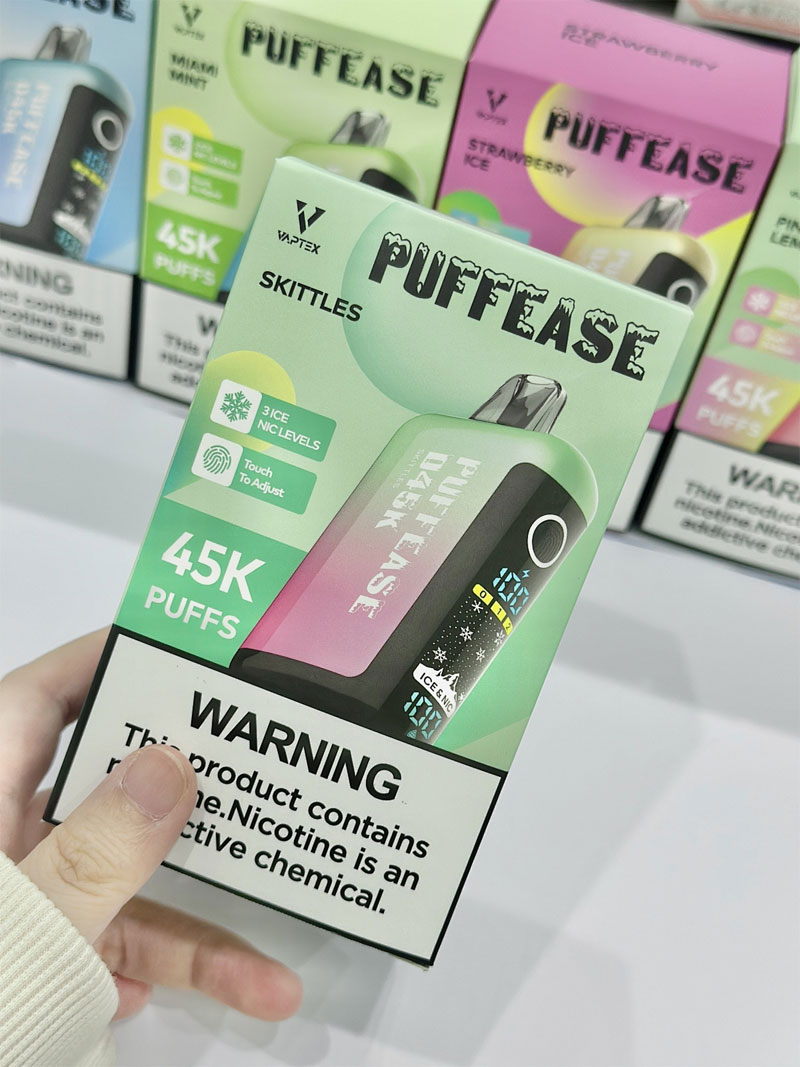
Paying attention to physical signs such as bloodshot eyes, increased thirst, or persistent coughing can reveal vaping habits. If students exhibit these symptoms regularly without explanation, it may warrant further investigation.
Educational Strategies
To combat this issue, schools can implement educational programs focused on the risks and health effects of vaping. Create supportive channels where students feel comfortable discussing these topics individually or in groups.
Technology’s Role
Advancements in technology have enabled some schools to monitor air quality for substances like nicotine. This can be an effective tool in identifying e-cigarette use in classrooms, providing concrete evidence and enabling precise interventions.
Preventive Measures
It’s beneficial to engage parents and guardians in dialogues about the impacts of e-cigarettes. By equipping them with knowledge, they can better support children and recognize signs at home. Moreover, schools should enforce strict policies on vaping to deter students from bringing these devices on campus.
Creating Awareness
Organizing workshops and seminars that involve students, parents, and educators can significantly elevate awareness. Bringing in health professionals to speak on addiction can make these efforts more impactful.
FAQs
- How does vaping affect academic performance?
- Vaping can lead to decreased concentration, increased absenteeism, and overall poorer academic performance due to health-related issues.
- What can I do if I suspect a student is vaping?
- Approach the student privately to discuss your concerns and inform school authorities for further assistance. It’s crucial to handle the situation with sensitivity.
- Are there any technological tools for detecting vaping?
- There are air quality sensors designed to detect vape emissions, which some schools use to monitor classroom air quality and deter vaping.