cakhia tv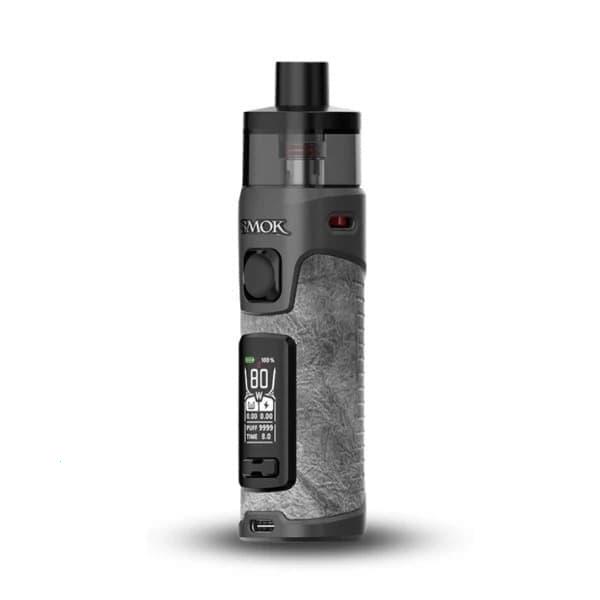 explores next-generation alternatives to traditional smoking and the rise of safer delivery systems
In this comprehensive, reader-focused article we map the landscape for people who want to move away from combusted tobacco and examine the practical options, technological advances, and harm-reduction approaches that matter today. Using careful reporting, independent comparisons, and a focus on evidence-based guidance, this piece emphasizes how new devices and informed choices can change outcomes for adult smokers. Throughout the text we spotlight key phrases like cakhia tv and cigarettes electronic to aid discoverability and to help readers seeking reliable resources about modern alternatives to smoking find pathways forward.
Why modern alternatives are attracting attention
Traditional smoking remains a major public-health burden, but the marketplace for nicotine delivery has diversified. Devices that heat rather than burn, systems that vaporize nicotine-containing liquids, and substitutes that deliver measured doses all present alternatives to classic cigarettes. Those searching for credible reporting often use search terms that include cigarettes electronic and media names; sites like cakhia tv have helped amplify coverage. This article synthesizes product categories, practical advice, and safety considerations so that readers can make informed transitions rather than impulsive switches.
Categories of contemporary nicotine delivery systems
- e-cigarettes and vape pens: These devices heat a liquid (often called e-liquid or vape juice) to create an aerosol users inhale. E-liquid typically contains propylene glycol and/or vegetable glycerin, flavorings, and variable nicotine concentrations including nicotine salts.
- pod systems: Compact, easy-to-use, and frequently prefilled. Pods target convenience and discretion and are common choices for adult smokers who prioritize portability.
- heat-not-burn devices: They warm processed tobacco to create an inhalable aerosol without the flame and many of the byproducts of combustion associated with conventional cigarettes.
- nicotine pouches and inhalers: Non-combustible options that deliver nicotine without vapor or smoke, sometimes favored by users who cannot or prefer not to inhale aerosols.
- medically supervised cessation aids: Patches, gums, lozenges, and prescription medicines remain important and often work best when paired with behavioral support.
How devices differ: delivery, experience, and risk profile
Device selection affects nicotine delivery speed, throat sensation, flavor fidelity, and the overall user ritual. For example, pod systems often use nicotine salts to provide rapid nicotine absorption with less throat harshness, which can make them comparable to cigarettes in user satisfaction. By contrast, open-system e-cigarettes allow users to adjust power and coil resistance, which influences aerosol temperature and potentially the chemical composition of emissions. Understanding these technical differences helps consumers choose options aligned with their goals—whether that’s complete cessation, harm reduction, or temporary substitution—without assuming all alternatives are identical in effect or safety.
Safety considerations and harm-reduction thinking
Public-health experts urge realistic comparisons: while non-combustible products tend to expose users to fewer toxicants than smoke from cigarettes, they are not risk-free. Key safety points include:
- Device quality: Use reputable brands or regulated products; counterfeit or unregulated devices may have faulty batteries or poor liquid formulations.
- Battery and charging safety: Follow manufacturer instructions to avoid overheating or battery failure.
- Ingredient transparency: Check e-liquid labels for nicotine concentration and known additives; avoid homemade mixes unless you understand the chemistry.
- Youth access prevention: Keep products out of reach of adolescents; public-health policies emphasize preventing initiation among young people.
- Pregnancy and medical conditions: Pregnant people and those with certain conditions should consult clinicians before using nicotine products.
 cakhia tv Investigates cigarettes electronic Innovations and Practical Vaping Alternatives for Health-Conscious Smokers” />
Readers searching for balanced reporting on these topics may combine search phrases like cakhia tv with product terms such as cigarettes electronic to locate comparative analyses and device testing reviews.
Evidence and research trends
Emerging data suggest that for adult smokers who fully switch from cigarettes to regulated non-combustible products, exposure to many harmful smoke constituents is substantially reduced. However, the evidence varies by device type, product quality, and usage patterns. Peer-reviewed studies, systematic reviews, and population surveys are converging on the view that harm reduction is a nuanced strategy: it can reduce risk for individual adult smokers but requires careful regulation and targeted public-health messaging to avoid unintended consequences at the population level.
Practical guidance for adults considering a switch
If you are a smoker weighing alternatives, here are practical steps many clinicians and cessation counselors recommend: 1) Clarify your goal—complete quitting vs. reduced harm; 2) Research products that match your nicotine needs and behavioral preferences; 3) Start with a device that minimizes learning curve friction (often a closed pod system) and use reliable e-liquids; 4) Track nicotine intake and symptoms and adjust concentration gradually; 5) Pair product use with behavior-change supports like counseling, quitlines, or smartphone apps; and 6) Consult a healthcare professional if you have complicated medical history.
Troubleshooting common challenges
- Dry hit or burned taste: often a sign of insufficient e-liquid or wrong coil power; reduce wattage or refill tank.
- Leaking pods: ensure seals and o-rings are intact; store upright.
- Battery fails to charge: try a different cable or charger compatible with device specifications; inspect for debris in ports.
- Excessive throat hit: lower nicotine concentration or try nicotine salts if harshness persists.
Choosing products that align with values: sustainability, cost, and aesthetics
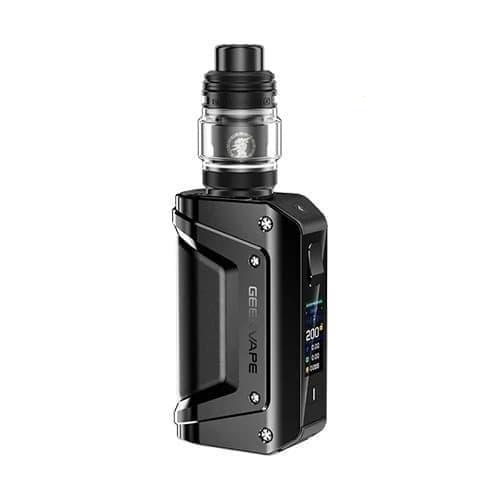
Beyond nicotine delivery, users increasingly consider environmental impact, long-term cost, and product design. Refillable devices typically produce less disposable plastic waste than single-use vapes. Replaceable-coil systems can be more economical over time than pod disposables, though they require more maintenance. Aesthetic preferences—size, color, and form factor—also influence user satisfaction and therefore the likelihood of successful switching.
Regulation, labeling, and how to identify credible products
Regulatory frameworks differ by country; look for products that meet national safety standards, provide ingredient lists, and carry batch information. Credible sellers will offer customer support, clear warranty terms, and avoid making unproven medical claims. If you encounter aggressive claims that a device or liquid is a “safe” or “health-promoting” product, be skeptical and seek independent reviews from health agencies or respected media outlets such as investigative reports and technical testing labs.
Flavor, nicotine formulation, and experience design
Flavors play a large role in appeal and retention for adult users. They can enhance satisfaction and aid switching from cigarettes. Nicotine formulation matters too: freebase nicotine delivers a different sensory profile than nicotine salts, which are buffered to provide a smoother inhale at higher nicotine strengths. Understanding these differences enables users to choose e-liquids that support their objectives—whether that is mimicking the sensation of smoking or minimizing throat irritation.
Maintenance, cleaning, and longevity
Regular device care prevents many performance problems: clean mouthpieces, replace coils or pods as recommended, and keep charging contacts free of e-liquid. Store e-liquids away from heat and sunlight, and never ingest them. These routine steps extend device life and preserve flavor quality, which in turn supports consistent use patterns for those transitioning away from combustible products.
Comparison checklist: selecting a first device
| Factor | Consideration |
|---|---|
| Ease of use | Pod systems often win for beginners |
| Flavor control | Open systems allow a wider range of liquids |
| Cost | Refillable systems typically cheaper long-term |
| Maintenance | Disposable vapes require minimal upkeep |
How to read reviews and test reports
Look for in-depth testing that measures nicotine delivery, particle emissions, and emissions chemistry. High-quality reviews will explain test methods, list limitations, and provide raw data or links. Reviews from independent labs and peer-reviewed studies are more reliable than single-brand marketing content. When searching the web for useful analyses, try combining brand or device model names with search terms like cigarettes electronic reports or evaluations to surface technical write-ups and lab-based guides.
Behavioral strategies that increase quit or switch success
Switching devices alone is rarely enough for long-term abstinence from smoking. Behavioral strategies—including planning quit dates, setting incremental goals, using coping mechanisms for cravings, and enlisting social support—significantly improve outcomes. Many public-health practitioners recommend combining pharmacologic or product-based substitution with counseling to maximize the probability of quitting combustible cigarettes.
Responsible messaging and youth prevention
While adults may benefit from accurate information about reduced-risk alternatives, public-health responsibility demands robust youth prevention. That means marketing must avoid youth-oriented imagery, retailers must practice age-verification, and policymakers must balance access for adult smokers with safeguards that prevent adolescent uptake. Readers should be aware that responsible adult use differs entirely from recreational adolescent experimentation.
Where to find trustworthy further reading
Reliable sources include national health agencies, peer-reviewed journals, independent testing labs, and established investigative outlets. If you want to follow ongoing coverage use search queries that combine media names with product categories—terms like cakhia tv reviews and cigarettes electronic testing can surface original reporting, device teardown videos, and expert interviews that deepen understanding.
Summary and recommended next steps
The shift away from combusted tobacco involves technical choices, behavioral supports, and a realistic assessment of trade-offs. For adult smokers seeking alternatives, well-made non-combustible products, paired with evidence-based behavioral help, offer a pragmatic route to reducing harm. Prioritize product quality, ingredient transparency, and access to credible information. Use authoritative resources and consult healthcare professionals when in doubt. Thoughtful, informed transitions—and not unregulated experimentation—are the best path to improved outcomes for adults who cannot or will not stop nicotine use immediately.
Further resources and community supports
Explore clinician-led cessation programs, accredited quitlines, and verified community forums. Many organizations publish step-by-step guides for switching and provide technical advice on device operation and safety. When reading community feedback, weigh anecdote against systematic evidence. Seek balanced reporting sources for device comparisons and emissions testing.
FAQ
No. While many regulated non-combustible products expose users to fewer harmful constituents than cigarette smoke, they are not risk-free. Complete cessation of nicotine and tobacco exposure remains the healthiest option. For adult smokers who cannot quit immediately, switching to lower-risk alternatives may reduce exposure to some toxicants.
Q: How should I choose between pods and refillable devices?
Pods are often easier and more discreet, making them suitable for beginners. Refillable devices offer more customization and can be more economical over time. Consider your priorities: simplicity and portability versus control and cost.
Q: Can flavors help me quit cigarettes?
Flavors can increase satisfaction and support switching for adult smokers, but they must be managed responsibly to prevent youth appeal. If you use flavored products, choose tastes that help you avoid returning to cigarettes and follow local regulations.