Comprehensive Safety and Troubleshooting for e-zigaretten Users
This in-depth guide is designed to help vapers, retailers, and curious users understand safe practices, battery care, and how to resolve common issues like the persistent e cigarette charger green light that can cause confusion. Whether you are new to e-zigaretten or you have years of experience, this resource summarizes proven safety tips, diagnostic steps, and maintenance routines that improve longevity and reduce risks.
Why battery safety matters for e-zigaretten
Battery health is the foundation of any responsible vaping routine. Modern e-zigaretten typically rely on rechargeable lithium-ion cells or built-in batteries, and misuse can cause reduced performance, unexpected shutdowns, or in rare cases, overheating. Observing charging best practices protects both device and user. Pay attention to charger indicators, including the commonly reported e cigarette charger green light, which is often misinterpreted by users — we’ll explain what that light typically means and what to do when it behaves unexpectedly.
Interpreting charger LEDs: the basics
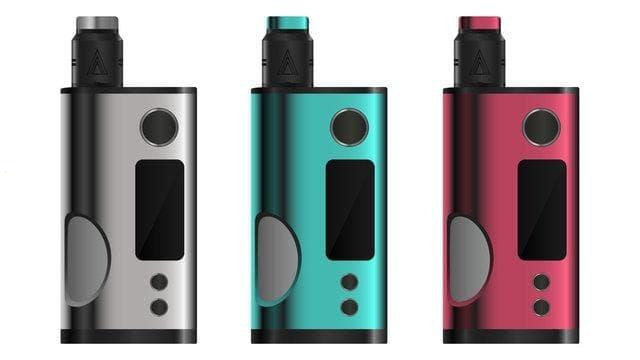
The LED on a charger is a simple status communicator: red may mean charging, blue or amber sometimes indicate intermediate states, and a green light is usually intended to tell you charging is complete. However, variations across manufacturers mean the same color can have different meanings. For many e-zigaretten chargers, the e cigarette charger green light signifies either a full battery or a charger fault depending on blinking patterns or whether the device recognizes the battery. Understanding your specific manual is best, but the following checklist helps diagnose typical scenarios when you see a green LED unexpectedly.
Common meanings of a green charger light
- Fully charged: The battery reached the target voltage and charging stopped.
- Trickle or maintenance charge: Charger is maintaining a full battery and may cycle intermittently.
- Error indicator: Some designs use steady green to flag a fault; check the manual.
- No battery detected: Green can appear if the charger itself is powered without a connected cell and lacks proper status logic.
Troubleshooting the e cigarette charger green light
If you encounter a persistent or blinking e cigarette charger green light that doesn’t match expected behavior, take these methodical steps. This sequence is ordered to move from the simplest to more technical fixes so you avoid unnecessary disassembly.
Step-by-step diagnostics
- Inspect the cable and connector: a damaged USB cable or loose plug frequently causes erroneous LEDs. Swap cables with a known-good one.
- Clean contact points: use a dry, lint-free cloth or cotton swab with a little isopropyl alcohol to clean battery and charger contacts for secure connection.
- Check the battery: if removable, test with another compatible charger or device to confirm the cell’s condition.
- Try a different power source: port voltages vary; try wall adapters, computer USB ports, or a power bank.
- Reset or restart: unplug for a minute to discharge residual capacitors; reconnect and watch LED behavior.
- Refer to manufacturer guidance: some units use a green LED for specific firmware states; what looks wrong might be normal for that model.

Following these practical troubleshooting steps resolves most cases of confusing LED feedback. When issues persist, move on to safety-oriented checks before considering repairs or replacements.
Safety checks before deeper intervention
Never attempt to open sealed devices or batteries without proper training. For built-in batteries or devices with no user-serviceable parts, contact the manufacturer or an authorized service center. If you have a removable battery, inspect for swelling, dents, or discoloration — visible damage means you should stop using it immediately and recycle it properly at a certified facility. Observing these precautions limits the risk of thermal runaway and other hazards.
Best charging practices for e-zigaretten
Adopting the following habits extends battery life and minimizes confusion from charger indicators like the e cigarette charger green light:
- Avoid overnight charging: while many chargers have cutoff circuits, prolonged high voltage exposure shortens battery life.
- Use quality chargers: choose chargers from reputable manufacturers which provide consistent status signals and safety protections.
- Charge on non-flammable surfaces: always place devices on ceramic, metal, or other non-combustible surfaces while charging.
- Avoid extreme temperatures: charging in very hot or cold environments stresses batteries.
- Replace worn cables: frayed or kinked cables can create intermittent charging and misleading LED behavior.
Maintaining your e-zigaretten for longevity
Regular maintenance goes beyond charging: keep threads clean, avoid overfilling tanks, and replace coils per manufacturer recommendations. Proper maintenance reduces electrical resistance and prevents false indicators such as unexplained green lights on chargers. A consistent maintenance routine protects your investment and ensures safer vaping sessions.
Routine maintenance checklist
- Monthly deep clean: disassemble where appropriate and clean components with warm water and mild detergent; ensure everything is fully dry before reassembly.
- Weekly quick checks: inspect battery contacts, O-rings, and airflow systems.
- Coil and wick replacement: worn coils can increase current draw and change charger behavior.
- Firmware updates: for smart devices, install manufacturer firmware updates that may improve charging logic and indicator accuracy.
When to seek professional help
If you’ve performed the basic diagnostics and maintenance and the e cigarette charger green light still behaves oddly — steady when it should blink, or flashing in an unexplained pattern — that may indicate an internal charging circuit or battery issue. In such cases, contact the manufacturer, retailer, or an authorized repair center. If the device becomes hot to the touch, emits unusual odors, or you see visible battery damage, stop using it immediately and follow local hazardous battery disposal guidelines.
Understanding charger types and indicator logic
Charger designs vary: some are simple CC-CV (constant current, constant voltage) circuits with straightforward LEDs, while “smart” chargers communicate via protocols that help batteries enter long-term storage modes. In multi-bank chargers or docks for replaceable cells, the green LED could indicate an individual bay is full while others are still charging. Familiarize yourself with the user’s manual to decode LED sequences properly. For users of e-zigaretten, knowing whether your charger uses a dedicated battery-management IC or a rudimentary charging module is helpful for interpretation.
How to prevent false positives and false negatives on LEDs
False positives (green light but not charged) and false negatives (no green light but fully charged) often trace back to contact resistance, dirty connectors, or failing charger circuitry. Use a multimeter to verify terminal voltage when safe and competent to do so: a charged 3.7V nominal lithium cell will show approximately 4.1–4.2V at full charge depending on chemistry. If the voltage reads high but the charger still indicates charging, the charger may be defective.
Quick multimeter guide
If you are comfortable and knowledgeable about basic electronics: set the meter to DC volts, measure across battery terminals while disconnected from the device if possible, and compare the reading to manufacturer specifications. Only perform these checks if you understand battery hazards; otherwise seek professional help.
Common myths debunked
Many myths circulate about LEDs and battery care. Here are a few clarifications:
- Myth: “Green means always safe.” Reality: Green commonly means charged, but context matters; consult your manual.
- Myth: “You must discharge to zero before charging.” Reality: Lithium-ion batteries do not require deep discharge and frequent deep cycling reduces lifespan.
- Myth: “Cheap chargers are fine.” Reality: Low-quality chargers can have poor cutoff logic leading to overcharging or device damage.
Optimizing SEO-relevant content about e-zigaretten
For site owners publishing content about vaping devices and troubleshooting the e cigarette charger green light, clear headings, structured lists, and repeated use of target keywords like e-zigaretten and phrases such as e cigarette charger green light in context help search engines understand topical relevance. Use H2 and H3 tags for major sections and ensure meta descriptions (handled by your CMS) summarize the guide concisely. Include step-by-step instructions and safety disclaimers to add authority. Provide internal links to trusted manufacturer pages or battery safety resources to enhance credibility.
Content tips for publishers
- Maintain natural keyword density: mention primary terms regularly but avoid stuffing; aim for helpful, readable text.
- Include visuals if possible: annotated photos of chargers and LED states help readers and reduce bounce rates.
- Offer downloadable checklists: conversion assets like printable safety checklists increase engagement.
- Update periodically: battery recommendations and manufacturer guidance change; refresh content annually.
Legal and regulatory considerations
Regulations for electronic nicotine delivery systems vary by jurisdiction. When creating content about e-zigaretten, include region-specific legal guidance and age-restriction notices, and avoid medical claims. Highlight safety best practices and direct users to authoritative sources like battery recycling centers and electrical safety organizations to stay compliant and helpful.
Summary: practical rules to remember
To minimize confusion around charger indicators and keep your device safe: use certified chargers, keep connectors clean, avoid extreme temperatures, replace damaged batteries, and consult manuals when the e cigarette charger green light does not match expected behavior. If unsure, defer to certified technicians and manufacturers rather than attempting risky repairs.
This guide aimed to balance technical troubleshooting with practical safety advice for a wide audience of e-zigaretten users. By following the steps above, most issues related to charger LEDs can be resolved quickly and safely, and you will be better prepared to recognize when professional assistance is warranted.
Additional resources and references
For further reading, consult battery safety guides from standards organizations, manufacturer support pages for your specific model, and community forums moderated by experts. Cross-referencing multiple trusted sources ensures accurate interpretation of indicator lights and safe handling of cells.
If you’d like printable safety checklists, labeled diagrams of LED states, or a simplified troubleshooting flowchart for staff training, adapt the steps in this article into short, shareable assets — they dramatically improve retention and reduce repeated support queries about the e cigarette charger green light.
Thank you for reviewing this practical, SEO-friendly overview focused on safety and diagnosis for modern vaping devices. Consistent use of quality chargers and attention to LED indicators like the e cigarette charger green light will help you maintain peak performance and safety for your e-zigaretten.
FAQ
- Q: What does a steady green light on my charger mean?
- A: In many cases it means full charge or maintenance mode, but consult your device manual since some designs use steady green to indicate errors or absence of a battery.
- Q: The green light is on but my device won’t turn on — what now?
- A: Try swapping cables, cleaning contacts, testing the battery in another device, or checking the charger with a multimeter. If problems persist, seek professional service.
- Q: Can I leave my e-zigaretten charging overnight if the charger shows green?
- A: It’s safer to avoid overnight charging. Even if the green light signals full charge, prolonged connection increases thermal stress and can shorten battery life.