Practical Steps to Stop Using Vaping Devices and Stay Smoke-Free
Quitting nicotine delivered through modern devices can feel daunting, but with a structured approach and reliable information, many people succeed. This guide focuses on evidence-based tactics and lifestyle changes that help people stop using E-cigarete products and explains how to quit electronic cigarettes in practical, achievable stages. Whether you are experimenting, a daily user, or supporting someone else, the strategies below combine behavioral, medical, and motivational tools to create a personalized quit plan. E-cigarete is mentioned throughout as a focal term for search engine clarity and to help you find targeted resources that match your search intent for “how to quit electronic cigarettes”.
Why quitting matters: health and life benefits
Stopping nicotine inhalation using devices improves lung function, reduces cardiovascular risk, and prevents long-term dependence. Many people underestimate withdrawal and the psychological hooks of flavored products, so understanding the benefits—clearer breathing, improved stamina, saved money, fresher taste and smell, better sleep, and reduced risk of chronic disease—helps create a strong, personal motivation to quit E-cigarete use.
Understand your pattern: baseline assessment
Before creating a plan, record your usage for 3–7 days: times, triggers, locations, emotions, and flavors used. This baseline reveals patterns—after meals, during stress, social situations, or while driving—that you must target. Tracking also makes it easier to set a quit date and choose strategies. Use a simple calendar, a smartphone note, or a habit-tracking app to log every instance of using an E-cigarete.
Choose a quitting strategy: three common approaches
- Cold turkey: Immediate cessation on a chosen quit day. Pros: quick, clear boundary, immediate financial savings. Cons: higher short-term withdrawal intensity. Cold turkey can work well for those with strong social support and prior quit experience.
- Tapering: Gradual reduction of nicotine concentration, puff count, or frequency. Pros: smoother withdrawal; cons: takes more discipline and monitoring to prevent relapse. Tapering can include switching to lower-nicotine e-liquids or lengthening intervals between uses.
- Substitution and medical support: Using nicotine replacement therapy (NRT), prescription medications, or combining counseling with NRT. Pros: evidence-based, higher long-term quit rates for many users. Consider gum, patches, lozenges, inhalers or medications prescribed by a healthcare professional.
Behavioral tools and habit replacement
Behavioral techniques are essential because a large part of how to quit electronic cigarettes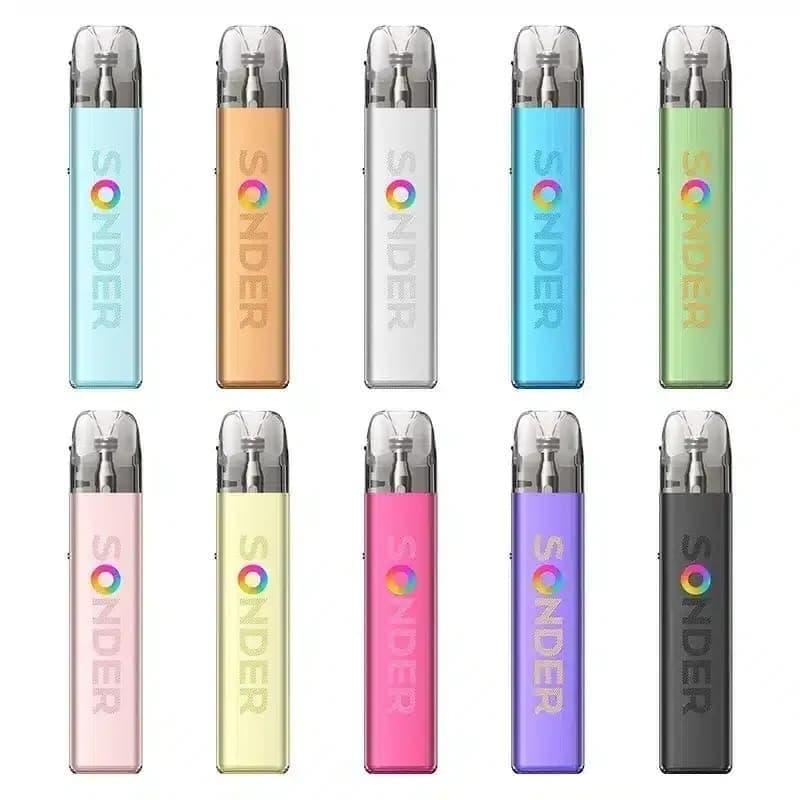 involves breaking routines and retraining the brain. Try these interventions:
- Delay tactic: Wait 10–15 minutes when the urge hits; practice deep breathing.
- Pair substitution: Replace the hand-to-mouth action with a fidget spinner, chewing gum, or a stress ball.
- Environmental change: Remove devices, pods, and visible paraphernalia from living spaces and your car.
- Trigger mapping: Create alternative behaviors for common triggers (e.g., after meals take a short walk or brush your teeth).
- Mindfulness and urge surfing: Acknowledge urges without acting on them; notice they rise and fall.
Medical aids and evidence-based treatments
For many individuals, combining behavioral change with medical support improves success. Options include:
- Nicotine Replacement Therapy (NRT): patches, gum, lozenges, or inhalers to reduce cravings and withdrawal symptoms.
- Prescription medications: Bupropion or varenicline may be recommended by clinicians to reduce cravings and block nicotine effects.
- Combination therapy: Strategy pairing a long-acting (patch) and short-acting (gum/inhaler) NRT often helps manage breakthrough cravings.
Discuss options with a healthcare provider, especially if you have heart disease, pregnancy, or other medical concerns. Accurate medical supervision increases safety and effectiveness of cessation treatments for E-cigarete users.
Psychological support: counseling and social networks
Professional counseling—individual or group—and peer support significantly increase quit rates. Look for trained tobacco cessation counselors, online forums, or local support groups. Behavioral therapy helps identify automatic thoughts and replace them with healthier scripts. Inform friends and family about your plan and request specific support: check-ins, smoke-free gatherings, and encouragement during early tough days.
Practical day-by-day plan for the first month
Create a detailed 30-day plan that includes the quit date (D-Day), daily coping tactics, and rewards for milestones. Example structure:
- Days 1–3: Focus on immediate withdrawal, use short-acting NRT, stay hydrated, prioritize sleep.
- Days 4–14: Strengthen new routines—exercise, nutritious meals, social accountability. Track triggers and replace them with new rituals.
- Days 15–30: Build resilience techniques for stress, rehearse refusal skills for social events, and consolidate changes into identity—”I am someone who does not use an E-cigarete.”
Dealing with withdrawal symptoms and cravings
Expect symptoms such as irritability, sleep disturbance, increased appetite, and cravings. Use these strategies:
- Delay and distract: 10–15 minute distraction until the urge diminishes.
- Deep breathing and progressive muscle relaxation.
- Hydration and snacks that satisfy oral fixation (carrot sticks, sugar-free gum).
- Structured exercise to reduce anxiety and promote mood elevation.
Remember that cravings are time-limited and peak within the first week for many people.
Handling high-risk situations and social pressure
Prepare short, polite refusal scripts and plan ahead for parties, bars, and stressful encounters. Replace the social ritual with non-smoking alternatives: hold a mocktail, step outside for a breath of fresh air, or focus on conversations. If friends or family use devices, ask for temporary support (no vaping around you) and suggest smoke-free activities.
Relapse prevention and what to do if you slip
Relapse signals a learning opportunity rather than failure. If you use an E-cigarete after quitting, analyze the trigger without shame, update your plan, and set a new target date. Strategies to avoid full relapse include: immediate recommitment, contacting a coach or friend, increasing NRT temporarily, and restructuring risky routines. Most successful quitters have multiple quit attempts—each attempt increases your learning and probability of long-term success.
Long-term maintenance: building a smoke-free identity
After the first few months, the goal shifts from resisting urges to solidifying a non-user identity. Replace “I am trying to quit” with “I am smoke-free.” Celebrate milestones (1 week, 1 month, 6 months, 1 year) with meaningful rewards. Consider volunteering to help others quit or sharing your story—teaching reinforces your own commitment.
Technology and tools that support quitting
Use smartphone apps for tracking days smoke-free, calculating money saved, and logging cravings. Join online communities and sign up for text-message support programs. Wearable devices, habit trackers, and calendar reminders help maintain accountability and provide data-driven feedback to keep motivation high.
Special situations: teens, pregnancy, and dual use
Teens require family-based approaches and school support; brief motivational interviewing can help. Pregnant users should consult obstetric providers about the safest cessation strategies—complete abstinence is the goal. Dual users of combustible cigarettes and E-cigarete products need integrated plans to stop all nicotine delivery forms to achieve full health benefits.
Creating a concise personalized quit plan
Template (fill in your details):
- Quit date: ______
- Primary motivation (write 1–3 sentences): ______
- Chosen method (cold turkey / taper / NRT / prescription): ______
- Short-term coping strategies: ______
- Support contacts: ______
- Rewards for milestones: ______
Resources and further reading
Seek local quitlines, medical practitioners, and evidence-based websites for regional support programs. Many national health services provide free counseling and NRT. Using a combination of professional help and self-driven tactics increases your chance of quitting permanently.
Measure your progress and iterate
Track days of abstinence, money saved, and improvements in breathing or fitness. Re-evaluate your plan monthly and adjust strategies if cravings or life stressors change. Persistence, reflection, and small adjustments are key tools for anyone learning how to quit electronic cigarettes.
Final encouragement
Quitting an E-cigarete is a multi-step process that blends willpower with planning and support. Use the methods above to construct a realistic, compassionate plan tailored to your life. Celebrate all positive steps and learn from setbacks—each attempt brings you closer to long-term freedom from nicotine.
FAQ

Q: How long do cravings last after I stop using an E-cigarete?
A: Intense cravings usually peak in the first few days to two weeks and steadily decline; however, situational urges can occur for months. Use delay tactics, NRT, and behavioral tools to manage them.
Q: Can nicotine replacement therapy help with quitting e-devices?
A: Yes. NRT can significantly reduce withdrawal and increase success rates when combined with counseling. Discuss the best form and dosing with a healthcare professional.
Q: What if I fail and start vaping again?
A: Treat a slip as data: identify the trigger, update your plan, seek support, and try again. Most successful quitters require multiple attempts—persistence matters more than perfection.