IBvape E-Cigarete: a focused product safety and science review
This comprehensive review examines the safety profile, user guidance, regulatory context and scientific evidence related to IBvape E-Cigarete and addresses the persistent public health question framed as can e cigarette cause cancer. The objective is practical: provide clear, evidence-informed analysis that helps consumers, clinicians and policymakers make better decisions. Throughout this article the branded product name IBvape E-Cigarete appears in SEO-focused tags and the central scientific query can e cigarette cause cancer is discussed repeatedly and in context so readers and search engines can locate this authoritative content.
Executive summary and key takeaways
In short, modern electronic nicotine delivery systems (ENDS) such as IBvape E-Cigarete generally expose users to fewer of the carcinogenic combustion products found in cigarette smoke, but they are not risk-free. The evidence addressing the question can e cigarette cause cancer is complex: animal and cellular studies identify potentially harmful compounds and biological effects, but long-term epidemiological proof of increased cancer incidence caused by vaping in humans remains limited and is an active area of study. Public health consensus emphasizes harm reduction for adult smokers switching fully to validated ENDS while discouraging uptake among non-smokers and youth.
How this review is structured
- Product build, materials and safety features of IBvape E-Cigarete
- What is in e-liquid and aerosol chemistry relevant to cancer risk
- Laboratory and clinical evidence related to the question can e cigarette cause cancer
- Regulatory, labeling and quality control considerations
- Practical risk-reduction tips for consumers
- Expert opinion and balanced recommendations
Materials, design and safety features
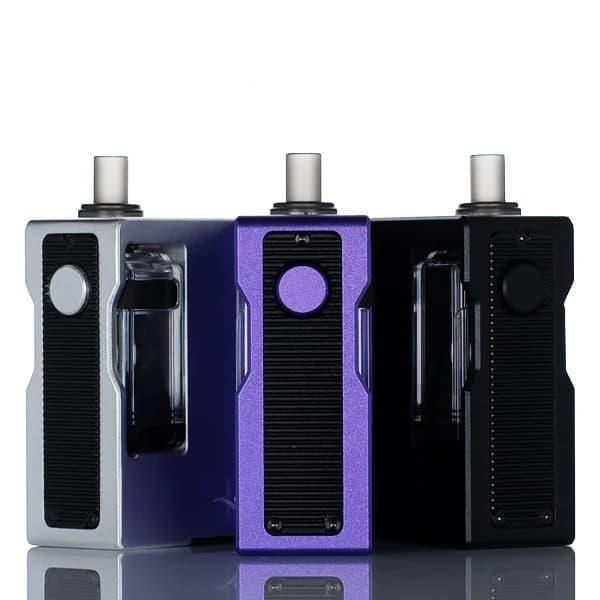
The physical construction of an ENDS matters. IBvape E-Cigarete models typically use a rechargeable lithium-ion battery, an atomizer (coil) made from metals such as kanthal, stainless steel or nickel-chromium alloys, and replaceable or refillable cartridges/tanks filled with e-liquid. Important safety aspects include overcharge protection, short-circuit prevention, robust threading and leak-resistant seals. Any product must also minimize overheating which can adulterate the aerosol chemistry. Quality manufacturing reduces the chance of metallic or thermal byproducts that could increase toxicant exposure.
What is in the e-liquid and aerosol?
Understanding composition is essential when asking can e cigarette cause cancer. Typical e-liquids contain a solvent base (propylene glycol and/or vegetable glycerin), nicotine (in varying concentrations or none), flavoring agents, and trace impurities. When heated, these components form an aerosol with droplets and volatile compounds. Studies of e-cigarette aerosol have detected:
- Carbonyls (formaldehyde, acetaldehyde, acrolein) — formed at high coil temperatures and linked to carcinogenesis in other contexts
- Volatile organic compounds (VOCs) — such as benzene in trace amounts under some conditions
- Metals — including nickel, chromium, lead depending on coil and device materials
- Flavoring-derived aldehydes and diketones — some linked to respiratory toxicity
Importantly, concentrations of many of these toxicants in typical vaping aerosols are often orders of magnitude lower than in combustible cigarette smoke, but the relative risk depends on duration, intensity of use, device settings and product quality. Thus the practical, comparative risk is nuanced when evaluating IBvape E-Cigarete versus traditional smoking.
Preclinical and mechanistic evidence
Laboratory work using cell cultures and animal models has explored several biological pathways relevant to cancer risk. Some key findings include:
- Oxidative stress and DNA damage: certain e-cigarette aerosols can increase markers of oxidative stress and produce DNA strand breaks in vitro, which are theoretically relevant to carcinogenesis.
- Inflammation and immune modulation: repeated exposure can trigger chronic inflammatory responses in airway tissues, and chronic inflammation is a recognized contributor to cancer risk.
- Adduct formation and mutagenesis: compounds such as formaldehyde and acetaldehyde are genotoxic and can form DNA adducts in high enough exposures.

However, translating these findings to human cancer risk requires caution: doses used in cell models may be higher than typical consumer exposures, and animal carcinogenicity studies are still limited. While these mechanistic signals underscore plausibility — answering why researchers ask can e cigarette cause cancer — direct causal evidence in humans is not yet definitive.
Human studies, epidemiology and long-term evidence
High-quality long-term epidemiological data on vaping and cancer outcomes are sparse because widespread ENDS use is relatively recent and cancers typically develop over decades. Existing human data include cross-sectional biomarker studies and short-term clinical investigations:
- Biomarker reductions: smokers who switch completely to e-cigarettes often show reduced levels of many tobacco-related carcinogen biomarkers, consistent with lower exposure.
- Harm markers: some biomarkers related to cardiac and respiratory stress decline after switching, but certain inflammatory markers remain elevated compared to never-smokers.
- Population studies: current long-term population-level studies have not yet shown a clear, consistent increase in cancer attributable to vaping alone, but follow-up time is limited.

Therefore, the most accurate response to can e cigarette cause cancer today is that long-term human evidence is still emerging. The comparative risk compared to combustible tobacco is likely lower for many outcomes, but “lower” is not synonymous with “safe.”
Regulation, quality control and product variability
One major determinant of safety is product quality control. Unregulated or counterfeit devices and e-liquids may contain contaminants or inconsistently labeled nicotine concentrations. Strong regulatory frameworks can improve safety: standardized manufacturing practices, ingredient disclosure, limits on contaminants and formal testing for emission of harmful constituents are all protective. Consumers choosing IBvape E-Cigarete or any branded device should prefer products that adhere to recognized manufacturing standards, provide batch testing or third-party lab results, and display clear warnings about nicotine addiction.
Risk communication and harm reduction
Public health messaging must balance two realities: for adult smokers, switching entirely from cigarettes to a well-manufactured ENDS product may substantially reduce exposure to carcinogens; for youth and never-smokers, initiating nicotine use via vaping is harmful and increases the likelihood of nicotine dependence and possibly future combustible smoking. So the pragmatic advice is targeted:
- Adult smokers who cannot or will not quit should consider switching to a regulated ENDS product as part of a harm reduction strategy.
- Non-smokers, especially adolescents, should be counseled to avoid vaping; this prevents nicotine addiction and unknown long-term risks.
- All users should minimize high-temperature coil settings and avoid modifying devices in ways that can increase harmful emissions.
For individuals asking “can e cigarette cause cancer” the best current answer is cautious: evidence supports reduced exposure compared with smoking, but absolute long-term cancer risk from vaping is not yet fully characterized.
Practical safety tips for users of IBvape and similar devices
- Purchase from reputable vendors and verify product authenticity.
- Use manufacturer-recommended batteries and chargers to avoid overheating or battery failure hazards.
- Follow coil replacement schedules; burnt coils can produce higher levels of carbonyls.
- Avoid “dripping” or extreme power modifications unless you understand the thermal and chemical implications.
- Prefer e-liquids with transparent ingredient lists and third-party lab testing for metals and carbonyls.
- Seek support to quit nicotine entirely if possible — vaping can be a transitional harm reduction tool, not necessarily a permanent endpoint for everyone.
Expert interpretation and recommendations
Leading health authorities generally recommend that people who smoke and are unable or unwilling to quit using evidence-based cessation methods consider switching completely to a regulated ENDS product as a less harmful alternative. At the same time, these agencies caution against initiation among youth and non-smokers. Experts advising consumers on IBvape E-Cigarete should emphasize product quality, correct use and the ultimate goal of nicotine cessation.
How to interpret the continuing scientific debate about carcinogenicity?
The question can e cigarette cause cancer is not a simple yes/no that science can yet fully resolve for all contexts. The debate centers on relative exposure, dose-response relationships, product heterogeneity and latency periods for cancer development. Monitoring of cancer incidence among long-term exclusive vapers (with careful control for smoking history and other confounders) will be essential to provide definitive human evidence. Until then, a weight-of-evidence approach — combining chemistry, toxicology, biomarkers and epidemiology — is the most reliable framework.
Conclusion
When assessing devices such as IBvape E-Cigarete, consumers and clinicians should weigh current evidence: vaping reduces exposure to many cigarette-specific carcinogens but introduces its own spectrum of chemicals that may carry risks. Answering can e cigarette cause cancer requires acknowledging the reduced but non-zero risk landscape, emphasizing product quality, discouraging youth initiation and supporting smokers who choose harm reduction pathways while continuing research and surveillance. Transparency from manufacturers, rigorous regulatory oversight and robust long-term studies will all shape the future clarity of the cancer risk question.
References and further reading
Readers seeking deeper technical detail should consult systematic reviews from public health agencies, peer-reviewed toxicology papers on ENDS emissions, and longitudinal cohort studies as they become available. Key domains include aerosol chemistry, biomarker research, respiratory pathology and population epidemiology.
FAQ
No definitive long-term human studies have yet proven a causal link between vaping and increased cancer incidence, but mechanistic and short-term biomarker studies raise concerns that warrant continued monitoring and caution.
Q: If I switch from cigarettes to IBvape, will my cancer risk drop?
Switching completely from combustible cigarettes to a well-made ENDS product like a regulated IBvape E-Cigarete typically reduces exposure to many known tobacco carcinogens, which likely lowers cancer risk compared to continued smoking. Absolute risk reduction depends on individual use patterns and history.
Q: Are flavored e-liquids more risky?
Certain flavoring chemicals can produce harmful aldehydes or respiratory irritants when heated; risk varies by chemical identity, concentration and device conditions. Choosing products with transparent ingredient lists and third-party testing reduces uncertainty.