Practical travel guidance for IBVape e-cigarette users
Traveling with a vape device can be confusing because rules vary by airline, country and airport. This guide focuses on smart, compliant ways to carry an IBVape e-cigarette and answers the common question “can you put e cigarettes in your checked bag“ while also offering step-by-step tips for airport security, battery handling and international transfers. Whether you own a compact pod system, a larger mod, or multiple spare cells, understanding the differences between carry-on and checked luggage is critical to avoid confiscation, delays or safety hazards.
Quick summary: choose carry-on for safety and compliance
Most major civil aviation authorities and airlines strongly recommend or require that electronic nicotine delivery systems, including the IBVape e-cigarette, be transported in carry-on baggage rather than checked luggage. To directly address the repeated user concern: can you put e cigarettes in your checked bag? In general practice, the answer is usually no or not recommended because of lithium battery fire risks; however, rules can vary by jurisdiction and airline. Always confirm with the specific carrier before departure.
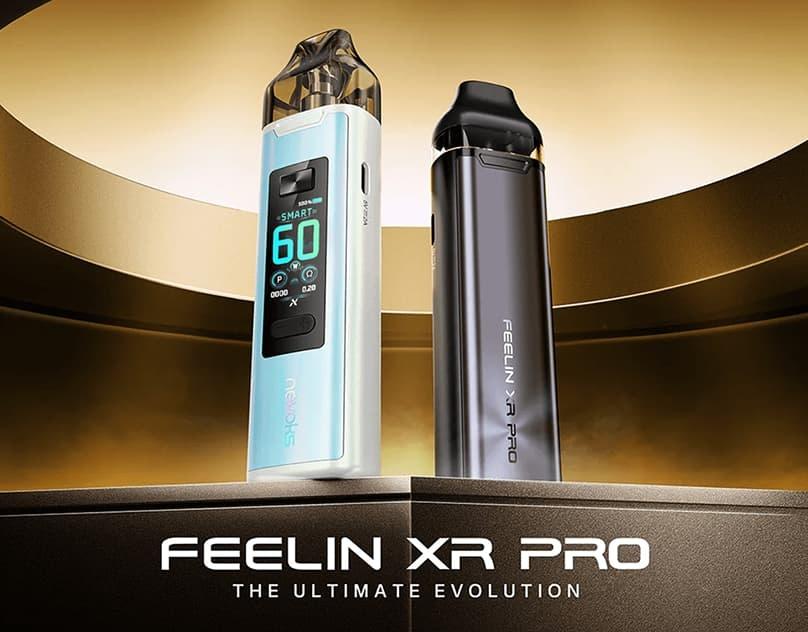
Why carry-on is preferred
- Battery risk: Lithium-ion batteries installed in or accompanying a vape device can short-circuit or ignite; cabin crew can respond quickly to incidents in the cabin, while a fire in the hold is harder to detect and control.
- Security screening: Security officers prefer to inspect e-cigarettes and e-liquid in carry-on luggage; devices are easier to present and explain, which reduces the chance of confiscation.
- Accessibility: Regulations often require spare batteries to be carried in the cabin with terminals protected. Carry-on makes this practical.
Regulatory overview and airline policy patterns
Different authorities (FAA, EASA, CAA, IATA guidelines) and individual airlines publish rules that commonly state: e-cigarettes must be carried in cabin baggage; device batteries must be installed or terminals taped; spare batteries must be in carried-on and protected against short circuits; e-liquids are subject to liquid restrictions for hand luggage (e.g., 100 ml containers in many regions). These policies apply to popular consumer brands and generic devices alike, including the IBVape e-cigarette.
Common airline-specific practices
- Low-cost carriers: Often strict about liquids—pack e-liquid bottles to meet the limit; declare large quantities at check-in if permitted as duty-free purchases.
- International long-haul carriers: May have more rigorous battery limits or require that batteries above a certain watt-hour rating be approved.
- Regional and charter flights: Rules can be inconsistent; contact the operator before travel.
Packing checklist for a stress-free journey
Use this checklist to prepare for airport security and inflight rules when you plan to travel with an IBVape e-cigarette. Keep this list accessible as a checklist in your carry-on compartment:
- Devices: Store the device in a protective case or a dedicated pouch to prevent accidental activation.
- Spare batteries: Carry them in the cabin; insulate terminals with plastic caps or tape; limit quantity to airline rules (commonly up to 5-10 cells, dependent on airline).
- E-liquids: Pack in sealed bottles complying with liquid rules (e.g., 100 ml containers inside a clear quart-sized bag when required).
- Charger and accessories: Keep chargers in carry-on; do not plug in devices to charge while on board unless permitted and safe.
- Documentation: If traveling with large volumes or special batteries, carry manufacturer specs or safety data sheets when possible.
Day-of-travel actions at the airport
Approach the security checkpoint prepared: remove the IBVape e-cigarette from your case if asked, present spare batteries separately if required by screening staff, and place e-liquids in the tray for manual or x-ray inspection. Be polite and cooperative with officers—explaining the device briefly and offering to power it off can speed the process.
What to expect during screening
Screeners may ask you to turn the device on to demonstrate it’s a genuine electronic device or to show the battery compartment. If the device is non-functional or you cannot power it on, provide purchase receipts or packaging when available and request a secondary inspection. A calm, transparent approach reduces friction.
Special cases: checked bag exceptions and cargo shipments
While carry-on is preferred, some travelers wonder if there are legitimate scenarios when an e-cigarette may be checked. Certain airlines allow devices in checked baggage only if batteries are removed and terminals are securely isolated, but many airlines simply prohibit them. Dedicated cargo shipments for large quantities require adherence to dangerous goods regulations and often need professional packaging and labeling. Avoid shipping personal devices as cargo unless you consult the airline and freight provider first.
International transfers and layovers
Customs and inflight rules can differ greatly between origin, transit and destination countries. For example, a device accepted by one airline may be restricted by a connecting carrier or prohibited upon arrival. Check visa country rules for nicotine products and battery import limitations to avoid confiscation or fines.
Battery safety: technical best practices
Battery mishandling is the primary reason for strict rules. Follow these best practices for the IBVape e-cigarette and all devices:
- Avoid loose batteries in pockets or bags; use original packaging or rigid cases.
- Limit exposure to high temperatures; do not leave devices in parked cars for extended periods.
- Do not tape batteries together or place them next to metal objects that could form a circuit.
- Discard damaged batteries at designated recycling points—airport staff can often advise on safe disposal options.

E-liquid tips and liquids security screening
E-liquid bottles must often follow the same carry-on liquid rules as other toiletries. Keep containers under the permitted size, and consider travel-ready, pre-filled cartridges to streamline security. If you plan to purchase e-liquids at duty-free, secure them in their tamper-evident bags and keep receipts handy—some countries permit duty-free carriage but still restrict local import of nicotine liquids.
What to do if an agent asks you to check your device
If an airline or security agent requests that you place your e-cigarette in checked baggage, insist politely on the written company policy or seek a supervisor; many travelers have successfully kept devices in cabin baggage after verifying policy. If the airline ultimately requires checked placement, follow instructions for battery removal and protection, and obtain written confirmation of any special handling. Keep in mind some airports or routes may not allow repeated negotiation—compliance may be the only immediate option to avoid missing a flight.
Device maintenance and carry-ready presentation
Before you travel, clean and dry your IBVape e-cigarette, ensure all tanks are sealed and empty if necessary, and remove any detachable batteries. Keep the device powered off, and store it in an obvious, easy-to-remove pouch to speed security checks. Marking your carry-on with a discreet tag indicating “electronic device—batteries inside” can also help screeners identify the item quickly.
International regulatory highlights
Be aware of countries where e-cigarettes are banned outright or heavily restricted—some nations prohibit importation and possession of nicotine vaping devices. Research destination country laws before departure, since confiscation and fines are real risks. Refer to consular advice pages, airline international travel notices, and government customs resources for the most up-to-date rules.
Troubleshooting common airport scenarios
- Device seized at security: Ask for a reason and retrieval procedure; some airports retain items for limited periods and allow mail-back options.
- Charging on board: Most airlines prohibit charging e-cigarettes during flight; using in-seat power to charge batteries is often not allowed.
- Freshly purchased items: If you buy a vaping device or e-liquids en route, keep them in tamper-evident packaging and declare them if required.
Preparing for unusual flights and small operators
Charter flights, remote area carriers and small turboprops may have unique safety rules or more conservative policies regarding lithium batteries. Contact the operator in advance and, when in doubt, plan to leave devices at home or shipping ahead through certified carriers.
Frequently asked questions (FAQ)

Final recommendations: Plan ahead, read airline and airport policies, pack smartly and err on the side of caution. The question of can you put e cigarettes in your checked bag is less about convenience and more about safety and compliance; for most travelers the safest and most compliant choice is to carry an IBVape e-cigarette and spare batteries in the cabin. By following the practical steps above—protecting battery terminals, respecting liquid limits, and preparing documentation—you will reduce the chance of issues during security screening and enjoy a smoother travel experience.